arrebatar Imperfect Subjunctive Conjugation
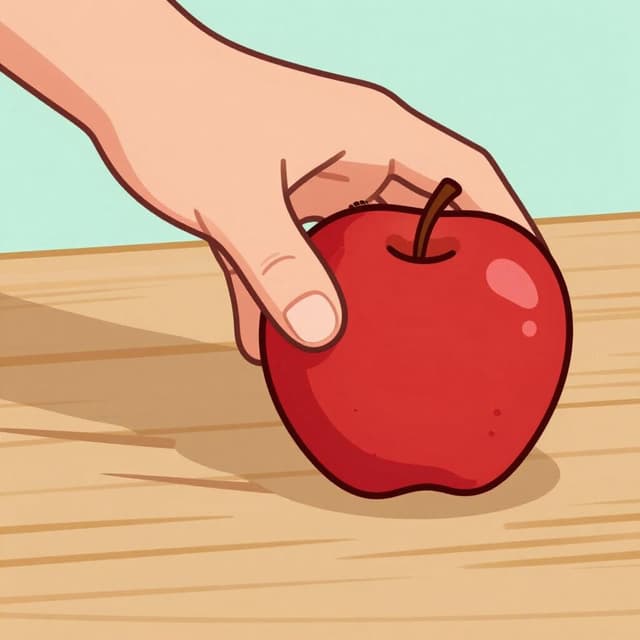
arrebatar — to snatch
Use imperfect subjunctive forms like 'arrebatara' or 'arrebatase' for past hypotheticals or wishes.
arrebatar Imperfect Subjunctive Forms
When to Use the Imperfect Subjunctive
This tense is for hypothetical situations in the past, often in 'if' clauses, or to express past wishes or doubts. For example, 'Ojalá no arrebatara el ladrón mi bolso' (I wish the thief hadn't snatched my bag).
Notes on arrebatar in the Imperfect Subjunctive
Arrebatar is regular in the imperfect subjunctive, so the -ra and -se forms follow the standard pattern.
Example Sentences
Si yo arrebatara la oportunidad, sería genial.
If I snatched the opportunity, it would be great.
yo
Me gustaría que no arrebataran el último pastel.
I would like them not to snatch the last cake.
ellos/ellas/ustedes
Quería que tú arrebatases la victoria.
I wanted you to snatch the victory.
tú
Él actuó como si arrebatara el tesoro.
He acted as if he had snatched the treasure.
él/ella/usted
Common Mistakes
Mistake: Using the preterite instead of the imperfect subjunctive.
Correct: Use imperfect subjunctive forms like 'arrebatara' or 'arrebatase' for past hypotheticals.
Why: The preterite describes completed past actions, while the imperfect subjunctive deals with unreal or hypothetical past situations.
Mistake: Confusing the -ra and -se forms.
Correct: Both 'arrebatara' and 'arrebatase' are correct imperfect subjunctive forms. The -ra form is more common.
Why: They are interchangeable in most contexts, though regional preferences exist.
Master Spanish verbs in context
Memorizing tables only gets you so far. Read 200+ illustrated and narrated Spanish stories to see verbs like 'arrebatar' used naturally — in the tenses you're learning.
Related Tenses
Present
yo: arrebato
Use present forms like 'arrebato' and 'arrebatan' for habitual actions or things happening now.
Preterite
yo: arrebaté
Use preterite forms like 'arrebaté' and 'arrebataron' for completed actions in the past.
Imperfect
yo: arrebataba
Use imperfect forms like 'arrebataba' and 'arrebataban' for ongoing or habitual past actions.
Future
yo: arrebataré
Use future forms like 'arrebataré' and 'arrebatarán' for actions that will happen.
Conditional
yo: arrebataría
Use conditional forms like 'arrebataría' and 'arrebatarían' for hypothetical situations ('would').
Present Subjunctive
yo: arrebate
Use present subjunctive forms like 'arrebate' and 'arrebaten' after expressions of doubt, desire, or emotion.
Affirmative Imperative
yo: arrebata
Use imperative forms like 'arrebata' and 'arrebatad' for direct commands.
Negative Imperative
yo: no arrebates
Use negative commands like 'no arrebates' and 'no arrebaten' with the present subjunctive.