casarse Imperfect Conjugation
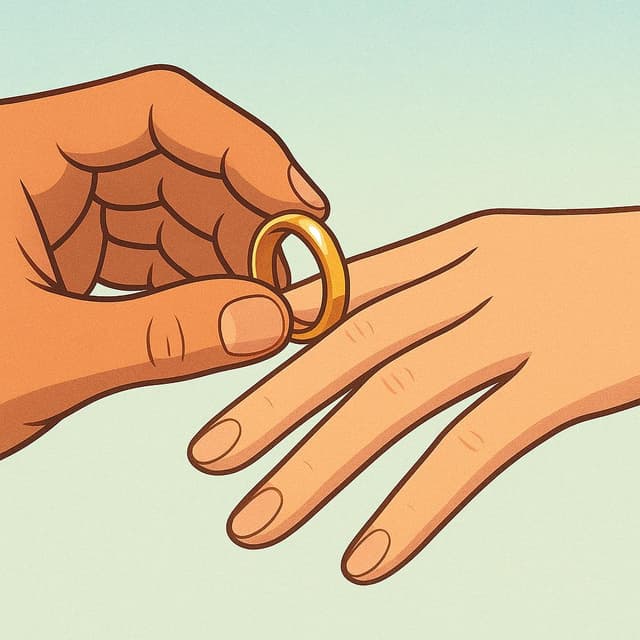
casarse — to get married
The imperfect of casarse is regular and follows the -ar pattern: me casaba, te casabas, se casaba, nos casábamos, os casabais, se casaban.
casarse Imperfect Forms
When to Use the Imperfect
Use the imperfect when describing the background circumstances of a wedding (what the weather was like) or when talking about people who 'were getting married' as an ongoing process in the past.
Notes on casarse in the Imperfect
Casarse is completely regular in the imperfect. Remember to include the reflexive pronouns (me, te, se, nos, os, se) before the verb.
Example Sentences
En esa época, mucha gente se casaba muy joven.
In those days, many people used to get married very young.
él/ella/usted
Nos casábamos en la playa cuando empezó a llover.
We were getting married on the beach when it started to rain.
nosotros
Pensaba que te casabas el próximo mes.
I thought you were getting married next month.
tú
Common Mistakes
Mistake: Forgeting the accent on the nosotros form: nos casabamos.
Correct: nos casábamos
Why: All -ar verbs in the imperfect require an accent on the 'a' in the nosotros form to maintain the stress pattern.
Master Spanish verbs in context
Memorizing tables only gets you so far. Read 200+ illustrated and narrated Spanish stories to see verbs like 'casarse' used naturally — in the tenses you're learning.
Related Tenses
Present
yo: me caso
The present tense of casarse is regular: me caso, te casas, se casa, nos casamos, os casáis, se casan.
Preterite
yo: me casé
The preterite of casarse is regular: me casé, te casaste, se casó, nos casamos, os casasteis, se casaron.
Future
yo: me casaré
The future of casarse uses the infinitive as the stem: me casaré, te casarás, se casará, nos casaremos, os casaréis, se casarán.
Conditional
yo: me casaría
The conditional of casarse is regular: me casaría, te casarías, se casaría, nos casaríamos, os casaríais, se casarían.
Present Subjunctive
yo: me case
The present subjunctive of casarse is regular: me case, te cases, se case, nos casemos, os caséis, se casen.
Imperfect Subjunctive
yo: me casara
The imperfect subjunctive of casarse uses the -ra endings: me casara, te casaras, se casara, nos casáramos, os casarais, se casaran.
Affirmative Imperative
yo: cásate
The affirmative imperative of casarse attaches pronouns to the end: cásate, cásese, casémonos, casaos, cásense.
Negative Imperative
yo: no te cases
The negative imperative of casarse uses the present subjunctive: no te cases, no se case, no nos casemos, no os caséis, no se casen.