derribar Present Conjugation
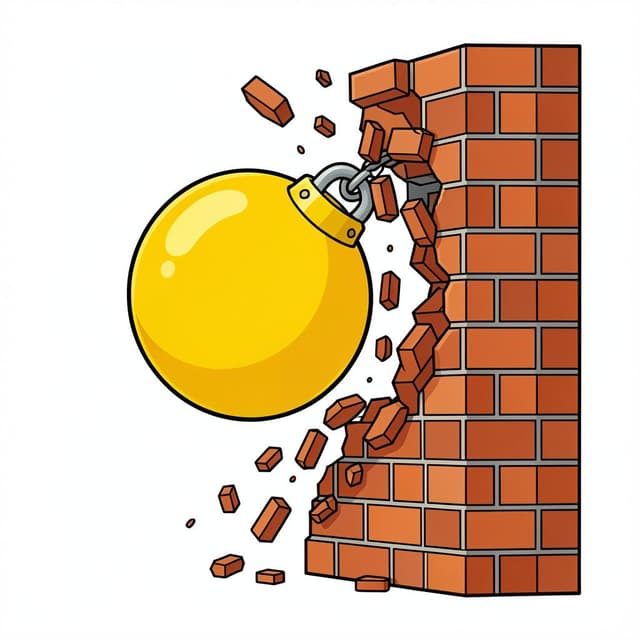
derribar — to knock down
Present tense 'derribo', 'derribas', etc., describes current or habitual actions.
derribar Present Forms
When to Use the Present
Use the present tense for actions happening right now ('Estoy derribando muros' - I'm knocking down walls), habitual actions ('Derribamos árboles viejos cada año' - We knock down old trees every year), or general truths.
Notes on derribar in the Present
'Derribar' is a regular -ar verb in the present indicative tense.
Example Sentences
Yo derribo las excusas que me ponen.
I knock down the excuses they give me.
yo
Tú derribas las barreras con tu actitud.
You break down barriers with your attitude.
tú
El viento derriba las hojas secas.
The wind knocks down the dry leaves.
él/ella/usted
Derribamos el edificio para construir uno nuevo.
We are knocking down the building to construct a new one.
nosotros
Common Mistakes
Mistake: Using the present progressive for simple habitual actions.
Correct: For habitual actions, use the simple present: 'Derribamos' instead of 'Estamos derribando'.
Why: The simple present covers habitual actions, while the present progressive emphasizes actions in progress at this exact moment.
Mistake: Incorrectly conjugating the vosotros form.
Correct: The correct form is 'derribáis', not 'derriban' or another variation.
Why: The '-áis' ending is standard for regular -ar verbs in the present indicative vosotros form.
Master Spanish verbs in context
Memorizing tables only gets you so far. Read 200+ illustrated and narrated Spanish stories to see verbs like 'derribar' used naturally — in the tenses you're learning.
Related Tenses
Preterite
yo: derribé
The preterite of 'derribar' is regular: derribé, derribaste, derribó, derribamos, derribasteis, derribaron.
Imperfect
yo: derribaba
Imperfect 'derribaba' describes ongoing or habitual past actions.
Future
yo: derribaré
Future tense 'derribaré', 'derribarás' etc., predicts or expresses probability.
Conditional
yo: derribaría
Conditional 'derribaría' expresses hypotheticals ('would') or polite requests.
Present Subjunctive
yo: derribe
Present subjunctive (e.g., 'derribe') is used for wishes, doubts, and emotions.
Imperfect Subjunctive
yo: derribara
The imperfect subjunctive (e.g., 'derribara', 'derribase') expresses past hypotheticals or wishes.
Affirmative Imperative
yo: derriba
Use imperative forms like 'derriba' (tú) for direct commands with 'derribar'.
Negative Imperative
yo: no derribes
Negative commands use 'no' + present subjunctive forms, like 'no derribes' (tú).