enganchar Imperfect Conjugation
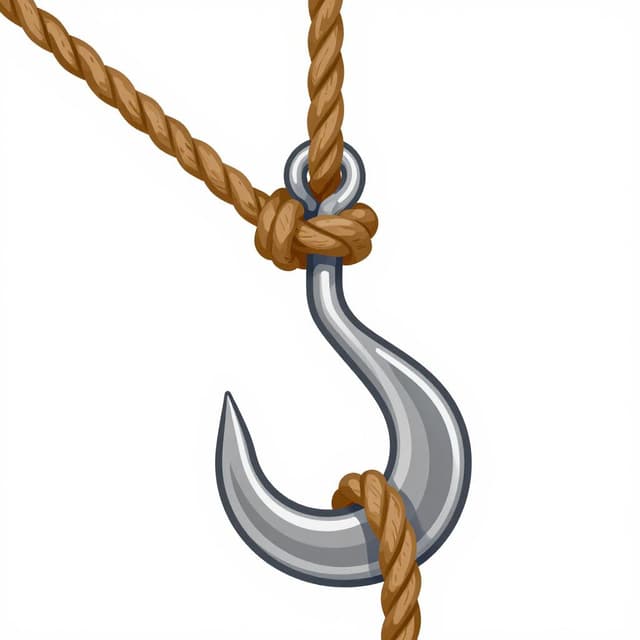
enganchar — to hook
The imperfect of enganchar is regular: enganchaba, enganchabas, enganchaba, enganchábamos, enganchabais, enganchaban.
enganchar Imperfect Forms
When to Use the Imperfect
Use the imperfect for ongoing or habitual actions in the past. It describes the background or setting. For example, 'Cuando era niño, enganchaba mi mochila a la silla' means 'When I was a child, I used to hook my backpack to the chair.'
Notes on enganchar in the Imperfect
Enganchar is regular in the imperfect indicative. All forms follow the standard -ar conjugation pattern.
Example Sentences
Yo enganchaba mi bicicleta al poste todos los días.
I used to lock my bike to the pole every day.
yo
¿Tú enganchabas las cortinas con ese cordón?
Did you used to tie the curtains with that cord?
tú
Él enganchaba los cables detrás del televisor.
He used to connect the cables behind the TV.
él/ella/usted
Nosotros enganchábamos la carreta al caballo.
We used to hitch the cart to the horse.
nosotros
Ellas enganchaban sus abrigos en el perchero.
They used to hang their coats on the coat rack.
ellos/ellas/ustedes
Common Mistakes
Mistake: Using the imperfect for a single completed past action.
Correct: Use the preterite 'enganché' for a specific action that finished. Use imperfect 'enganchaba' for ongoing or repeated past actions.
Why: The imperfect describes the scene or habit, not the event itself.
Mistake: Confusing the imperfect 'enganchaba' with the present 'engancho'.
Correct: Ensure you're using the correct past tense ending for imperfect forms.
Why: The endings clearly differentiate between present and imperfect actions.
Master Spanish verbs in context
Memorizing tables only gets you so far. Read 200+ illustrated and narrated Spanish stories to see verbs like 'enganchar' used naturally — in the tenses you're learning.
Related Tenses
Present
yo: engancho
The present tense of enganchar is regular: engancho, enganchas, engancha, enganchamos, engancháis, enganchan.
Preterite
yo: enganché
The preterite of enganchar is regular: enganché, enganchaste, enganchó, enganchamos, enganchasteis, engancharon.
Future
yo: engancharé
The future tense of enganchar is regular: engancharé, engancharás, enganchará, engancharemos, engancharéis, engancharán.
Conditional
yo: engancharía
The conditional of enganchar is regular: engancharía, engancharías, engancharía, engancharíamos, engancharíais, engancharían.
Present Subjunctive
yo: enganche
Use 'enganche' (yo, él/ella/Ud.), 'enganchemos' (nosotros), 'enganchen' (ellos/ellas/Uds.), 'enganches' (tú), 'enganchéis' (vosotros) after expressions of doubt, desire, emotion.
Imperfect Subjunctive
yo: enganchara
The imperfect subjunctive forms like 'enganchara' or 'enganchase' express hypothetical or past wishes/doubts.
Affirmative Imperative
yo: engancha
Use 'engancha' (tú), 'enganche' (usted), 'enganchemos' (nosotros), 'enganchen' (ustedes), 'enganchad' (vosotros) for direct commands with enganchar.
Negative Imperative
yo: no enganches
Use 'no enganches' (tú), 'no enganche' (usted), 'no enganchemos' (nosotros), 'no enganchen' (ustedes), 'no enganchéis' (vosotros) for negative commands.