enganchar Preterite Conjugation
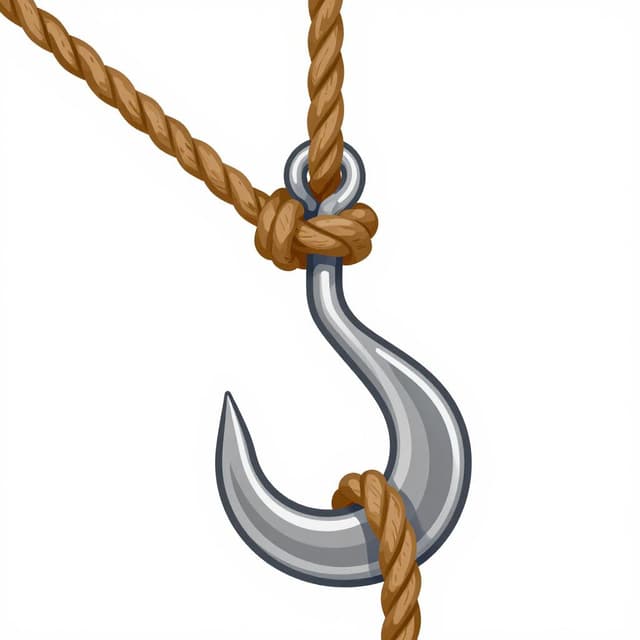
enganchar — to hook
The preterite of enganchar is regular: enganché, enganchaste, enganchó, enganchamos, enganchasteis, engancharon.
enganchar Preterite Forms
When to Use the Preterite
Use the preterite for completed actions in the past. If you hooked something up at a specific time and finished, that's preterite. For example, 'Ayer enganché el remolque' means 'Yesterday I hooked up the trailer.'
Notes on enganchar in the Preterite
Enganchar is fully regular in the preterite. Remember that the 'nosotros' form 'enganchamos' is identical to the present indicative; context will tell you which tense is meant.
Example Sentences
Ayer enganché la última pieza del rompecabezas.
Yesterday I hooked the last piece of the puzzle.
yo
¿Enganchaste el cable a la corriente?
Did you connect the cable to the power?
tú
El mecánico enganchó el motor nuevo.
The mechanic installed the new engine.
él/ella/usted
Enganchamos las bicicletas a la parte trasera del coche.
We attached the bikes to the back of the car.
nosotros
Ellos engancharon las luces navideñas.
They hung the Christmas lights.
ellos/ellas/ustedes
Common Mistakes
Mistake: Using 'enganché' without the accent.
Correct: The correct form for 'yo' in the preterite is 'enganché'.
Why: The accent mark is crucial for pronunciation and distinguishes it from other forms.
Mistake: Confusing preterite with imperfect for a single, completed action.
Correct: Use the preterite 'enganché' for a specific completed action ('I hooked it'). Don't use the imperfect 'enganchaba'.
Why: The preterite marks a finished event, while imperfect describes ongoing or habitual past actions.
Master Spanish verbs in context
Memorizing tables only gets you so far. Read 200+ illustrated and narrated Spanish stories to see verbs like 'enganchar' used naturally — in the tenses you're learning.
Related Tenses
Present
yo: engancho
The present tense of enganchar is regular: engancho, enganchas, engancha, enganchamos, engancháis, enganchan.
Imperfect
yo: enganchaba
The imperfect of enganchar is regular: enganchaba, enganchabas, enganchaba, enganchábamos, enganchabais, enganchaban.
Future
yo: engancharé
The future tense of enganchar is regular: engancharé, engancharás, enganchará, engancharemos, engancharéis, engancharán.
Conditional
yo: engancharía
The conditional of enganchar is regular: engancharía, engancharías, engancharía, engancharíamos, engancharíais, engancharían.
Present Subjunctive
yo: enganche
Use 'enganche' (yo, él/ella/Ud.), 'enganchemos' (nosotros), 'enganchen' (ellos/ellas/Uds.), 'enganches' (tú), 'enganchéis' (vosotros) after expressions of doubt, desire, emotion.
Imperfect Subjunctive
yo: enganchara
The imperfect subjunctive forms like 'enganchara' or 'enganchase' express hypothetical or past wishes/doubts.
Affirmative Imperative
yo: engancha
Use 'engancha' (tú), 'enganche' (usted), 'enganchemos' (nosotros), 'enganchen' (ustedes), 'enganchad' (vosotros) for direct commands with enganchar.
Negative Imperative
yo: no enganches
Use 'no enganches' (tú), 'no enganche' (usted), 'no enganchemos' (nosotros), 'no enganchen' (ustedes), 'no enganchéis' (vosotros) for negative commands.