enganchar Imperfect Subjunctive Conjugation
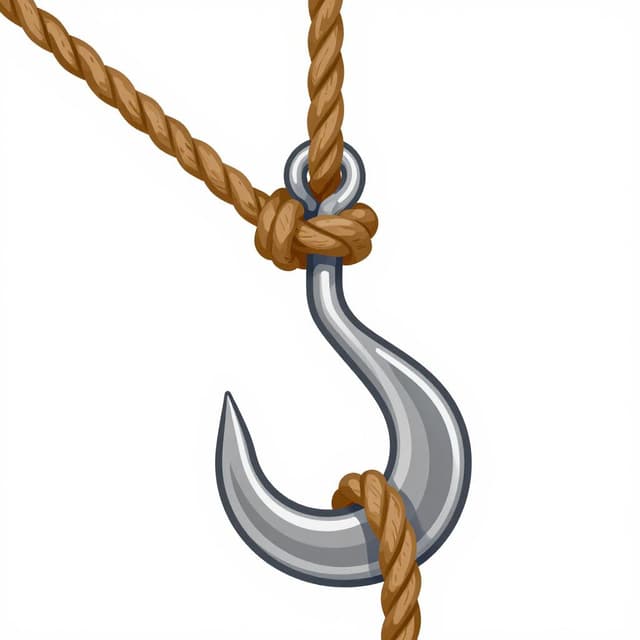
enganchar — to hook
The imperfect subjunctive forms like 'enganchara' or 'enganchase' express hypothetical or past wishes/doubts.
enganchar Imperfect Subjunctive Forms
When to Use the Imperfect Subjunctive
This tense is for past situations that were hypothetical, desired, or uncertain. Think 'if I had hooked...' or 'I wish you would hook...'. It's often used in 'if' clauses referring to unreal or unlikely past conditions.
Notes on enganchar in the Imperfect Subjunctive
Enganchar is regular in the imperfect subjunctive. Both the '-ra' and '-se' endings are correct, though '-ra' is more common in everyday speech. For example, 'enganchara' and 'enganchase' are interchangeable.
Example Sentences
Si yo enganchara mi bici, saldría a pasear.
If I hooked up my bike, I would go for a ride.
yo
Ojalá él enganchara el remolque antes de llover.
I wish he would hook up the trailer before it rains.
él/ella/usted
Me pidió que enganchara los cables correctamente.
He asked me to connect the cables correctly.
yo
Si vosotros engancharais vuestros asientos, estaríais más cómodos.
If you all hooked up your seats, you would be more comfortable.
vosotros
Common Mistakes
Mistake: Confusing imperfect subjunctive with preterite or imperfect indicative.
Correct: Use imperfect subjunctive for unreal past conditions or wishes ('if I were to hook...'). Use preterite ('enganché') for completed actions and imperfect ('enganchaba') for ongoing past actions.
Why: The subjunctive mood expresses non-factual situations, unlike the indicative.
Mistake: Using the '-ra' form when the '-se' form is expected in certain formal contexts or vice-versa.
Correct: Both 'enganchara' and 'enganchase' are generally correct, but '-ra' is more common.
Why: While interchangeable in most cases, regional or stylistic preferences can exist.
Master Spanish verbs in context
Memorizing tables only gets you so far. Read 200+ illustrated and narrated Spanish stories to see verbs like 'enganchar' used naturally — in the tenses you're learning.
Related Tenses
Present
yo: engancho
The present tense of enganchar is regular: engancho, enganchas, engancha, enganchamos, engancháis, enganchan.
Preterite
yo: enganché
The preterite of enganchar is regular: enganché, enganchaste, enganchó, enganchamos, enganchasteis, engancharon.
Imperfect
yo: enganchaba
The imperfect of enganchar is regular: enganchaba, enganchabas, enganchaba, enganchábamos, enganchabais, enganchaban.
Future
yo: engancharé
The future tense of enganchar is regular: engancharé, engancharás, enganchará, engancharemos, engancharéis, engancharán.
Conditional
yo: engancharía
The conditional of enganchar is regular: engancharía, engancharías, engancharía, engancharíamos, engancharíais, engancharían.
Present Subjunctive
yo: enganche
Use 'enganche' (yo, él/ella/Ud.), 'enganchemos' (nosotros), 'enganchen' (ellos/ellas/Uds.), 'enganches' (tú), 'enganchéis' (vosotros) after expressions of doubt, desire, emotion.
Affirmative Imperative
yo: engancha
Use 'engancha' (tú), 'enganche' (usted), 'enganchemos' (nosotros), 'enganchen' (ustedes), 'enganchad' (vosotros) for direct commands with enganchar.
Negative Imperative
yo: no enganches
Use 'no enganches' (tú), 'no enganche' (usted), 'no enganchemos' (nosotros), 'no enganchen' (ustedes), 'no enganchéis' (vosotros) for negative commands.