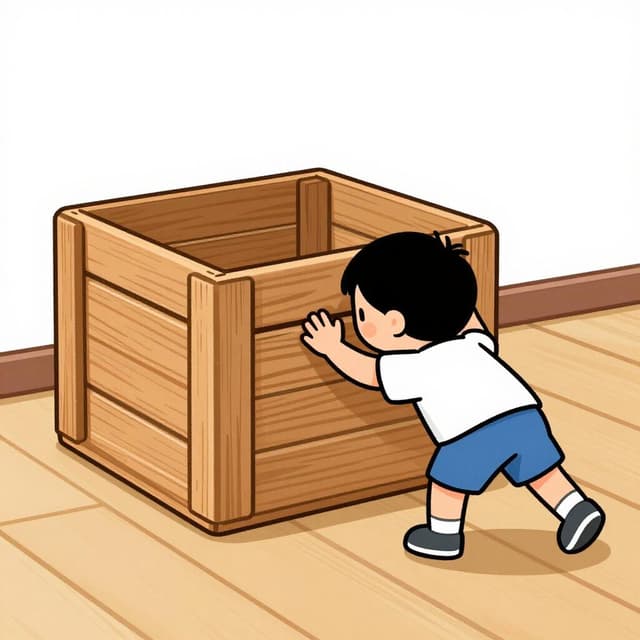
esforzar Imperfect Subjunctive Conjugation
esforzar — to make an effort
The imperfect subjunctive uses the preterite base: esforzara, esforzaras...
esforzar Imperfect Subjunctive Forms
When to Use the Imperfect Subjunctive
Use this for hypothetical past situations or after 'if' clauses, like 'Si me esforzara, ganaría' (If I tried hard, I would win).
Notes on esforzar in the Imperfect Subjunctive
It follows the third-person plural preterite (esforzaron), so it is regular in its stem (no o > ue change here).
Example Sentences
Si él se esforzara, sacaría mejores notas.
If he made an effort, he would get better grades.
él/ella/usted
Me gustaría que te esforzaras un poco más.
I would like you to try a little harder.
tú
Si nos esforzáramos, terminaríamos hoy.
If we made an effort, we would finish today.
nosotros
Common Mistakes
Mistake: Using the stem change 'esfuerzara'.
Correct: esforzara
Why: The imperfect subjunctive is built from the preterite, which does not have the 'ue' change.
Master Spanish verbs in context
Memorizing tables only gets you so far. Read 200+ illustrated and narrated Spanish stories to see verbs like 'esforzar' used naturally — in the tenses you're learning.
Related Tenses
Present
yo: esfuerzo
Esforzar is a stem-changing verb (o > ue) in all forms except nosotros and vosotros.
Preterite
yo: esforcé
The preterite of esforzar features a spelling change (z > c) in the 'yo' form: esforcé.
Imperfect
yo: esforzaba
Esforzar is completely regular in the imperfect: esforzaba, esforzabas, esforzaba...
Future
yo: esforzaré
The future tense is regular: add endings to the full infinitive esforzar-.
Conditional
yo: esforzaría
The conditional is regular: esforzaría, esforzarías, esforzaría...
Present Subjunctive
yo: esfuerce
The present subjunctive follows the stem change (o > ue) and the spelling change (z > c).
Affirmative Imperative
yo: esfuerza
The imperative uses 'esfuerza' for tú and 'esfuercen' for formal commands.
Negative Imperative
yo: no esfuerces
The negative imperative always uses the present subjunctive forms after 'no'.