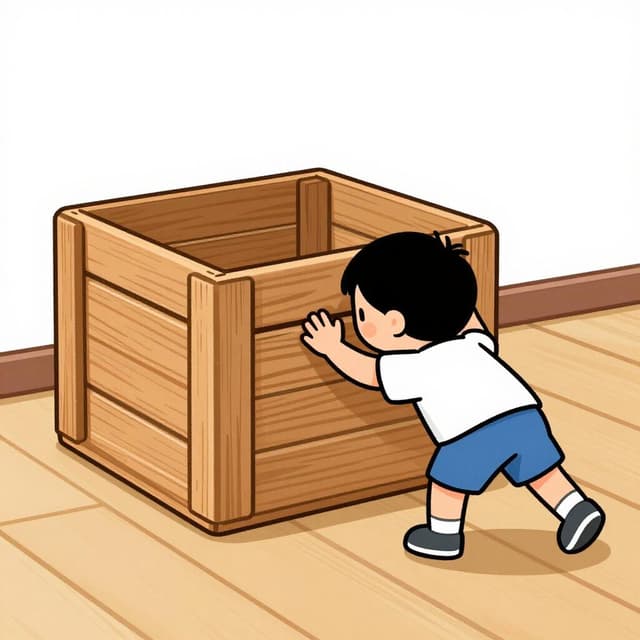
esforzar Preterite Conjugation
esforzar — to make an effort
The preterite of esforzar features a spelling change (z > c) in the 'yo' form: esforcé.
esforzar Preterite Forms
When to Use the Preterite
Use the preterite to describe a specific occasion or a completed period of time when someone made a dedicated effort.
Notes on esforzar in the Preterite
The verb is mostly regular, but the 'yo' form changes from 'z' to 'c' (esforcé) to keep the soft sound before the letter 'e'.
Example Sentences
Me esforcé al máximo en la carrera de ayer.
I gave my all in yesterday's race.
yo
¿Te esforzaste para el examen final?
Did you make an effort for the final exam?
tú
Ellos se esforzaron mucho durante el torneo.
They worked very hard during the tournament.
ellos/ellas/ustedes
Common Mistakes
Mistake: Spelling the first person as 'esforzé'.
Correct: esforcé
Why: In Spanish, 'z' usually changes to 'c' before the vowels 'e' or 'i'.
Master Spanish verbs in context
Memorizing tables only gets you so far. Read 200+ illustrated and narrated Spanish stories to see verbs like 'esforzar' used naturally — in the tenses you're learning.
Related Tenses
Present
yo: esfuerzo
Esforzar is a stem-changing verb (o > ue) in all forms except nosotros and vosotros.
Imperfect
yo: esforzaba
Esforzar is completely regular in the imperfect: esforzaba, esforzabas, esforzaba...
Future
yo: esforzaré
The future tense is regular: add endings to the full infinitive esforzar-.
Conditional
yo: esforzaría
The conditional is regular: esforzaría, esforzarías, esforzaría...
Present Subjunctive
yo: esfuerce
The present subjunctive follows the stem change (o > ue) and the spelling change (z > c).
Imperfect Subjunctive
yo: esforzara
The imperfect subjunctive uses the preterite base: esforzara, esforzaras...
Affirmative Imperative
yo: esfuerza
The imperative uses 'esfuerza' for tú and 'esfuercen' for formal commands.
Negative Imperative
yo: no esfuerces
The negative imperative always uses the present subjunctive forms after 'no'.