patinar Imperfect Conjugation
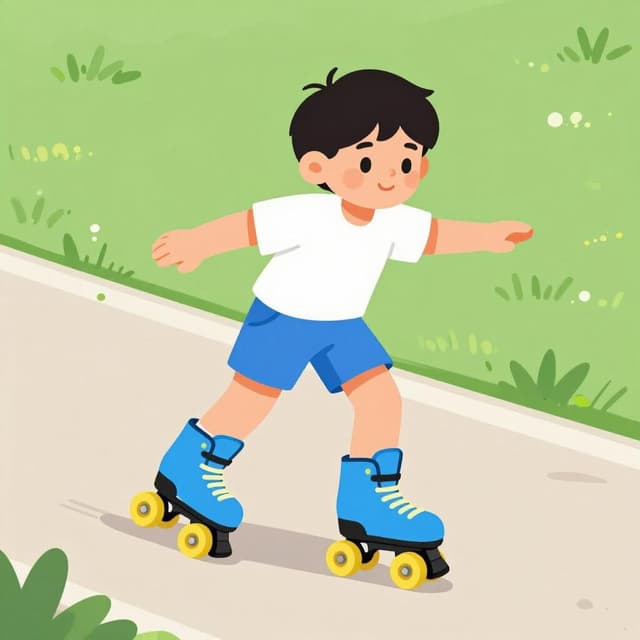
patinar — to skate
The imperfect tense of patinar is: patinaba, patinabas, patinaba, patinábamos, patinabais, patinaban.
patinar Imperfect Forms
When to Use the Imperfect
Use the imperfect tense to describe ongoing actions, habitual actions, or background settings in the past. For example, 'I used to skate' or 'He was skating when...'.
Notes on patinar in the Imperfect
Patinar is a regular -ar verb and is regular in the imperfect tense.
Example Sentences
Cuando era joven, patinaba todos los días.
When I was young, I used to skate every day.
yo
Tú patinabas muy bien en esa época.
You skated very well back then.
tú
Ella patinaba mientras sonaba la música.
She was skating while the music played.
él/ella/usted
Ellos patinaban en el lago congelado.
They were skating on the frozen lake.
ellos/ellas/ustedes
Common Mistakes
Mistake: Using the preterite 'patinó' instead of the imperfect 'patinaba' for ongoing past actions.
Correct: Use 'patinaba' to describe an action that was in progress or habitual in the past.
Why: The imperfect describes the 'scene' or the ongoing nature of past actions, while the preterite describes a completed action.
Mistake: Confusing the 'yo' and 'él/ella/usted' forms, which are identical.
Correct: Context or explicit pronouns ('yo', 'él', 'ella', 'usted') clarify who is skating.
Why: Both 'yo patinaba' and 'él/ella/usted patinaba' use the same verb form.
Master Spanish verbs in context
Memorizing tables only gets you so far. Read 200+ illustrated and narrated Spanish stories to see verbs like 'patinar' used naturally — in the tenses you're learning.
Related Tenses
Present
yo: patino
The present tense of patinar is: patino, patinas, patina, patinamos, patináis, patinan.
Preterite
yo: patiné
The preterite of patinar is regular: patiné, patinaste, patinó, patinamos, patinasteis, patinaron.
Future
yo: patinaré
The future tense of patinar is: patinaré, patinarás, patinará, patinaremos, patinaréis, patinarán.
Conditional
yo: patinaría
The conditional tense of patinar is: patinaría, patinarías, patinaría, patinaríamos, patinaríais, patinarían.
Present Subjunctive
yo: patine
The present subjunctive of patinar is: patine (yo/él/ella/usted), patines (tú), patinemos (nosotros), patinéis (vosotros), patinen (ellos/ellas/ustedes).
Imperfect Subjunctive
yo: patinara
The imperfect subjunctive of patinar has two forms: patinara/patinaras/patinara/patináramos/patinarais/patinaran and patinase/patinases/patinase/patinásemos/patinaseis/patinasen.
Affirmative Imperative
yo: patina
The imperative of patinar is: patina (tú), patine (usted), patinemos (nosotros), patinad (vosotros), patinen (ustedes).
Negative Imperative
yo: no patines
The negative imperative of patinar uses 'no' + present subjunctive: no patines (tú), no patine (usted), no patinemos (nosotros), no patinéis (vosotros), no patinen (ustedes).