patinar Negative Imperative Conjugation
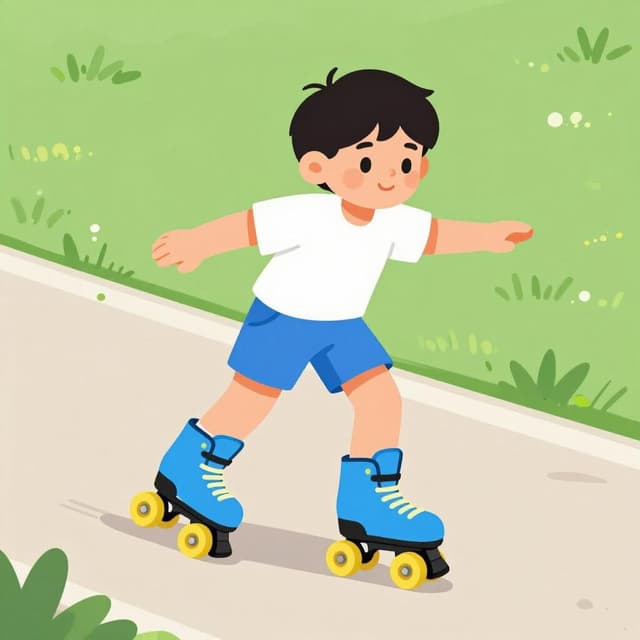
patinar — to skate
The negative imperative of patinar uses 'no' + present subjunctive: no patines (tú), no patine (usted), no patinemos (nosotros), no patinéis (vosotros), no patinen (ustedes).
patinar Negative Imperative Forms
When to Use the Negative Imperative
Use the negative imperative to tell someone NOT to do something. For 'patinar', it's like saying 'Don't skate!' or 'Let's not skate!'
Notes on patinar in the Negative Imperative
Patinar is regular in the negative imperative. All negative commands use the present subjunctive forms preceded by 'no'.
Example Sentences
No patines en la calle mojada.
Don't skate on the wet street.
tú
No patinemos cerca del tráfico.
Let's not skate near the traffic.
nosotros
No patinen sin casco.
Don't skate without a helmet.
Joven, no patine tan rápido.
Young man, don't skate so fast.
usted
Common Mistakes
Mistake: Using the infinitive 'patinar' in a negative command.
Correct: Use 'no' followed by the correct present subjunctive form, like 'no patines'.
Why: The subjunctive mood is required for negative commands in Spanish.
Mistake: Forgetting 'no' in a negative command.
Correct: Always include 'no' before the verb in negative commands.
Why: The 'no' is essential to make the command negative.
Master Spanish verbs in context
Memorizing tables only gets you so far. Read 200+ illustrated and narrated Spanish stories to see verbs like 'patinar' used naturally — in the tenses you're learning.
Related Tenses
Present
yo: patino
The present tense of patinar is: patino, patinas, patina, patinamos, patináis, patinan.
Preterite
yo: patiné
The preterite of patinar is regular: patiné, patinaste, patinó, patinamos, patinasteis, patinaron.
Imperfect
yo: patinaba
The imperfect tense of patinar is: patinaba, patinabas, patinaba, patinábamos, patinabais, patinaban.
Future
yo: patinaré
The future tense of patinar is: patinaré, patinarás, patinará, patinaremos, patinaréis, patinarán.
Conditional
yo: patinaría
The conditional tense of patinar is: patinaría, patinarías, patinaría, patinaríamos, patinaríais, patinarían.
Present Subjunctive
yo: patine
The present subjunctive of patinar is: patine (yo/él/ella/usted), patines (tú), patinemos (nosotros), patinéis (vosotros), patinen (ellos/ellas/ustedes).
Imperfect Subjunctive
yo: patinara
The imperfect subjunctive of patinar has two forms: patinara/patinaras/patinara/patináramos/patinarais/patinaran and patinase/patinases/patinase/patinásemos/patinaseis/patinasen.
Affirmative Imperative
yo: patina
The imperative of patinar is: patina (tú), patine (usted), patinemos (nosotros), patinad (vosotros), patinen (ustedes).