peinar Affirmative Imperative Conjugation
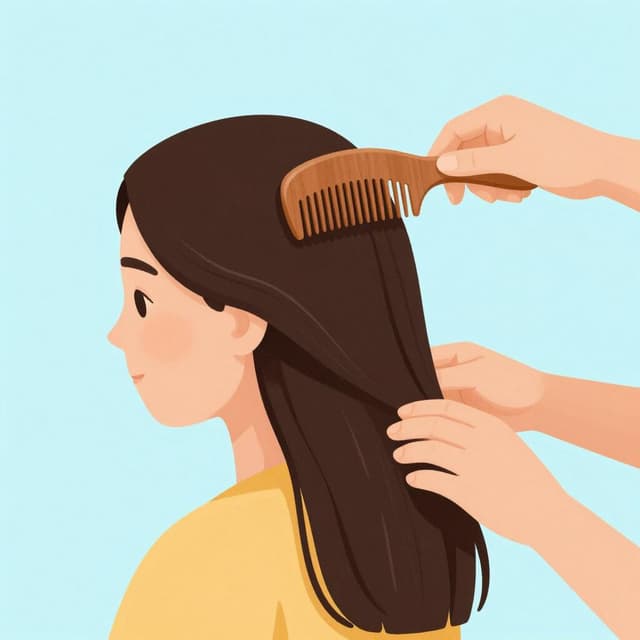
peinar — to comb
Peina, peine, peinemos, peinad, peinen are the affirmative commands for peinar.
peinar Affirmative Imperative Forms
When to Use the Affirmative Imperative
Use the affirmative imperative to give direct commands or instructions. For example, telling someone to comb their hair right now.
Notes on peinar in the Affirmative Imperative
Peinar is regular in the affirmative imperative. The 'tú' form 'peina' is the same as the present indicative. The 'vosotros' form 'peinad' adds a 'd' to the infinitive stem.
Example Sentences
¡Peina tu cabello antes de salir!
Comb your hair before leaving!
tú
Señora, peine a su hijo, por favor.
Ma'am, comb your son's hair, please.
usted
¡Peinemos el perro antes de que se enrede más!
Let's comb the dog before it gets more tangled!
nosotros
¡Peinad bien vuestro flequillo!
Comb your bangs well!
vosotros
Ustedes, ¡peinen sus pelucas para el show!
You all, comb your wigs for the show!
Common Mistakes
Mistake: Using the infinitive 'peinar' instead of a command form.
Correct: Use '¡Peina!' or '¡Peine!' depending on who you are addressing.
Why: The infinitive is the base form of the verb and not used for direct commands.
Mistake: Forgetting the 'd' in the vosotros form.
Correct: The command for 'vosotros' is 'peinad', not 'peinai'.
Why: The 'd' is added to the infinitive stem when forming the vosotros imperative.
Master Spanish verbs in context
Memorizing tables only gets you so far. Read 200+ illustrated and narrated Spanish stories to see verbs like 'peinar' used naturally — in the tenses you're learning.
Related Tenses
Present
yo: peino
Peino, peinas, peina, peinamos, peináis, peinan are used for current actions and habits with peinar.
Preterite
yo: peiné
Peiné, peinaste, peinó, peinamos, peinasteis, peinaron are the completed past actions for peinar.
Imperfect
yo: peinaba
Peinaba, peinabas, peinaba, peinábamos, peinabais, peinaban describe ongoing or habitual past hair combing.
Future
yo: peinaré
Peinaré, peinarás, peinará, peinaremos, peinaréis, peinarán express future actions with peinar.
Conditional
yo: peinaría
Peinaría, peinarías, peinaría, peinaríamos, peinaríais, peinarían express hypothetical or polite past actions with peinar.
Present Subjunctive
yo: peine
Peine, peines, peinemos, peinéis, peinen are the present subjunctive forms of peinar.
Imperfect Subjunctive
yo: peinara
The imperfect subjunctive of peinar has two forms, like peinara/peinase and peinara/peinase.
Negative Imperative
yo: no peines
No peines, no peine, no peinemos, no peinéis, no peinen are the negative commands for peinar.