peinar Imperfect Subjunctive Conjugation
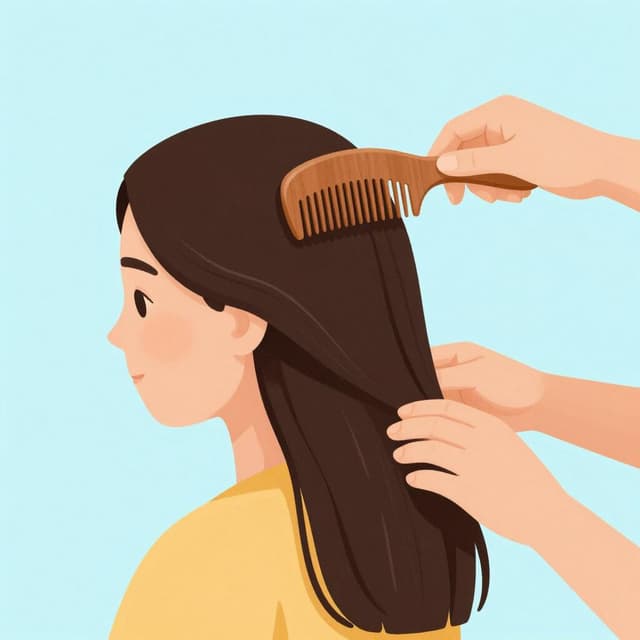
peinar — to comb
The imperfect subjunctive of peinar has two forms, like peinara/peinase and peinara/peinase.
peinar Imperfect Subjunctive Forms
When to Use the Imperfect Subjunctive
Use the imperfect subjunctive for hypothetical situations, wishes, or polite requests in the past. It often appears in 'if' clauses.
Notes on peinar in the Imperfect Subjunctive
Peinar is regular in the imperfect subjunctive. Both the -ra and -se endings are possible, though -ra is more common.
Example Sentences
Si yo peinara mi cabello todos los días, estaría más suave.
If I combed my hair every day, it would be softer.
yo
Me gustaría que tú te peinaras antes de la foto.
I would like you to comb your hair before the photo.
tú
Él actuaría si ella se peinara el flequillo.
He would act if she combed her bangs.
él/ella/usted
Nos pedirían que peináramos el disfraz.
They would ask us to comb the costume.
nosotros
Ellos no irían si vosotros no se peinarais.
They wouldn't go if you all didn't comb your hair.
vosotros
Ellas desearían que ustedes se peinaran bien.
They would wish that you all combed yourselves well.
ellos/ellas/ustedes
Common Mistakes
Mistake: Confusing imperfect subjunctive with preterite or imperfect indicative.
Correct: Use 'peinara' or 'peinara' for hypothetical past situations, not 'peinó' or 'peinaba'.
Why: The subjunctive mood is for non-factual or subjective situations, while the indicative is for facts.
Mistake: Using the -ra form when the -se form is required by context (less common).
Correct: While both are valid imperfect subjunctive forms, ensure consistency if a specific context implies one over the other.
Why: In most cases, they are interchangeable, but some older or regional texts might favor one.
Master Spanish verbs in context
Memorizing tables only gets you so far. Read 200+ illustrated and narrated Spanish stories to see verbs like 'peinar' used naturally — in the tenses you're learning.
Related Tenses
Present
yo: peino
Peino, peinas, peina, peinamos, peináis, peinan are used for current actions and habits with peinar.
Preterite
yo: peiné
Peiné, peinaste, peinó, peinamos, peinasteis, peinaron are the completed past actions for peinar.
Imperfect
yo: peinaba
Peinaba, peinabas, peinaba, peinábamos, peinabais, peinaban describe ongoing or habitual past hair combing.
Future
yo: peinaré
Peinaré, peinarás, peinará, peinaremos, peinaréis, peinarán express future actions with peinar.
Conditional
yo: peinaría
Peinaría, peinarías, peinaría, peinaríamos, peinaríais, peinarían express hypothetical or polite past actions with peinar.
Present Subjunctive
yo: peine
Peine, peines, peinemos, peinéis, peinen are the present subjunctive forms of peinar.
Affirmative Imperative
yo: peina
Peina, peine, peinemos, peinad, peinen are the affirmative commands for peinar.
Negative Imperative
yo: no peines
No peines, no peine, no peinemos, no peinéis, no peinen are the negative commands for peinar.