peinar Negative Imperative Conjugation
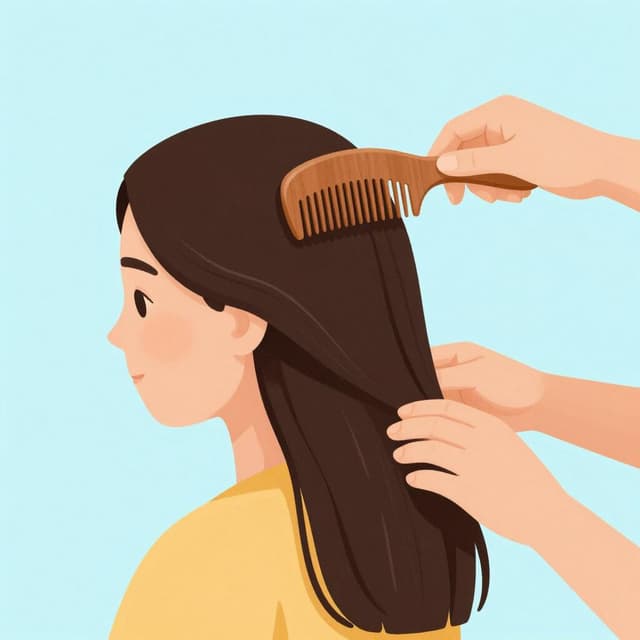
peinar — to comb
No peines, no peine, no peinemos, no peinéis, no peinen are the negative commands for peinar.
peinar Negative Imperative Forms
When to Use the Negative Imperative
Use the negative imperative to tell someone NOT to do something. It's often used to prevent actions.
Notes on peinar in the Negative Imperative
All negative commands in Spanish use the present subjunctive. Peinar is regular in the present subjunctive, so the negative imperative is also regular.
Example Sentences
No peines el pelo mojado, se puede romper.
Don't comb wet hair, it can break.
tú
No peine el peluquín con tanta fuerza.
Don't comb the toupee with so much force.
usted
No peinemos el gato después de bañarlo, solo se enredará.
Let's not comb the cat after bathing it, it will just get tangled.
nosotros
No peinéis vuestras pelucas con agua fría.
Don't comb your wigs with cold water.
vosotros
Ustedes, no peinen a los niños mientras comen.
You all, don't comb the children's hair while they eat.
Common Mistakes
Mistake: Using the infinitive instead of the subjunctive form.
Correct: It should be 'No peinar' but 'No peines' for tú.
Why: Negative commands require the present subjunctive form of the verb.
Mistake: Forgetting the 'no'.
Correct: Always include 'no' before the subjunctive verb for negative commands.
Why: The 'no' is essential to make the command negative.
Master Spanish verbs in context
Memorizing tables only gets you so far. Read 200+ illustrated and narrated Spanish stories to see verbs like 'peinar' used naturally — in the tenses you're learning.
Related Tenses
Present
yo: peino
Peino, peinas, peina, peinamos, peináis, peinan are used for current actions and habits with peinar.
Preterite
yo: peiné
Peiné, peinaste, peinó, peinamos, peinasteis, peinaron are the completed past actions for peinar.
Imperfect
yo: peinaba
Peinaba, peinabas, peinaba, peinábamos, peinabais, peinaban describe ongoing or habitual past hair combing.
Future
yo: peinaré
Peinaré, peinarás, peinará, peinaremos, peinaréis, peinarán express future actions with peinar.
Conditional
yo: peinaría
Peinaría, peinarías, peinaría, peinaríamos, peinaríais, peinarían express hypothetical or polite past actions with peinar.
Present Subjunctive
yo: peine
Peine, peines, peinemos, peinéis, peinen are the present subjunctive forms of peinar.
Imperfect Subjunctive
yo: peinara
The imperfect subjunctive of peinar has two forms, like peinara/peinase and peinara/peinase.
Affirmative Imperative
yo: peina
Peina, peine, peinemos, peinad, peinen are the affirmative commands for peinar.