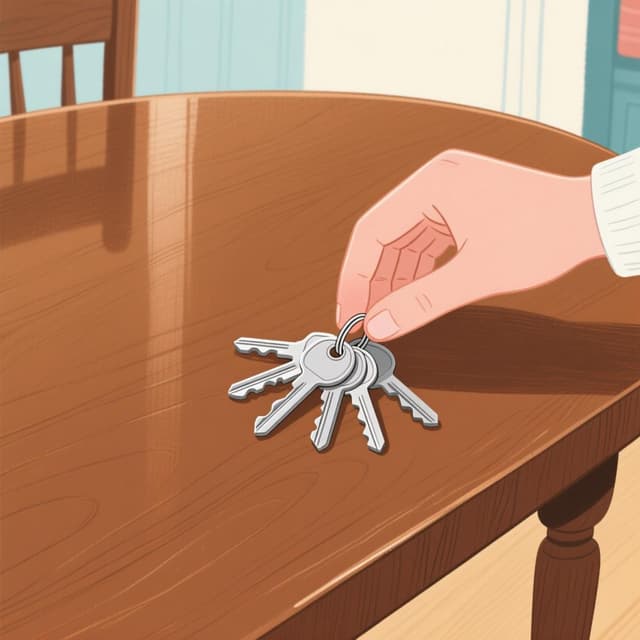
poner Present Conjugation
poner — to put
Poner is regular in the present tense, except for the 'yo' form: pongo.
poner Present Forms
When to Use the Present
Use the present for habits, current actions, or setting things up, such as 'setting the table' or 'putting on shoes' every morning.
Notes on poner in the Present
Only the first person (yo) is irregular, adding a 'g' to become 'pongo'. All other forms (pones, pone, etc.) follow the regular -er pattern.
Example Sentences
Yo siempre pongo mucha sal a la comida.
I always put a lot of salt on the food.
yo
Él pone la televisión por las tardes.
He turns on the TV in the afternoons.
él/ella/usted
¿Ponéis vosotros la mesa hoy?
Are you all setting the table today?
vosotros
Ellas ponen sus libros en la mochila.
They put their books in the backpack.
ellos/ellas/ustedes
Common Mistakes
Mistake: Saying 'yo pono'.
Correct: yo pongo.
Why: Many common verbs ending in -ner or -nir take a 'go' ending in the first person present.
Master Spanish verbs in context
Memorizing tables only gets you so far. Read 200+ illustrated and narrated Spanish stories to see verbs like 'poner' used naturally — in the tenses you're learning.
Related Tenses
Preterite
yo: puse
The preterite of poner is highly irregular, using the 'pus-' stem: puse, pusiste, puso, pusimos, pusisteis, pusieron.
Imperfect
yo: ponía
Poner is completely regular in the imperfect: ponía, ponías, ponía...
Future
yo: pondré
The future of poner uses the irregular stem 'pondr-': pondré, pondrás, pondrá...
Conditional
yo: pondría
The conditional uses the irregular stem 'pondr-': pondría, pondrías, pondría...
Present Subjunctive
yo: ponga
The present subjunctive of poner follows the 'yo' form: ponga, pongas, ponga...
Imperfect Subjunctive
yo: pusiera
The imperfect subjunctive uses the 'pusier-' stem: pusiera, pusieras, pusiera...
Affirmative Imperative
yo: pon
The command for 'tú' is short and irregular: pon.
Negative Imperative
yo: no pongas
Negative commands use the present subjunctive: no pongas, no ponga, no pongamos...