poner Preterite Conjugation
poner — to put
The preterite of poner is highly irregular, using the 'pus-' stem: puse, pusiste, puso, pusimos, pusisteis, pusieron.
poner Preterite Forms
When to Use the Preterite
Use the preterite for specific past actions of putting or placing something at a definite moment, like putting on a coat or placing a dish on the table.
Notes on poner in the Preterite
This is a 'U-stem' irregular verb. The stem changes from 'pon-' to 'pus-', and it uses special endings (-e, -iste, -o, -imos, -isteis, -ieron) without any written accents.
Example Sentences
Me puse la chaqueta porque hacía frío.
I put on my jacket because it was cold.
yo
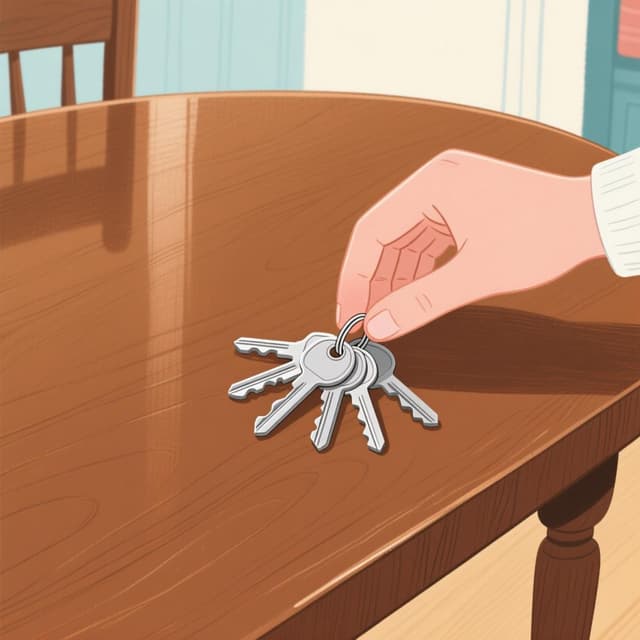
¿Dónde pusiste las llaves del coche?
Where did you put the car keys?
tú
Pusimos la mesa antes de que llegaran los invitados.
We set the table before the guests arrived.
nosotros
Ellos pusieron música en la fiesta.
They put on music at the party.
ellos/ellas/ustedes
Common Mistakes
Mistake: Using 'poní' or 'poniste'.
Correct: Use 'puse' and 'pusiste'.
Why: Learners often try to conjugate it as a regular -er verb, but poner has a unique irregular stem in the preterite.
Mistake: Adding accents like 'pusó' or 'pusé'.
Correct: puse, puso.
Why: Irregular preterite stems like 'pus-' do not take accents on the 'yo' or 'él/ella' endings.
Master Spanish verbs in context
Memorizing tables only gets you so far. Read 200+ illustrated and narrated Spanish stories to see verbs like 'poner' used naturally — in the tenses you're learning.
Related Tenses
Present
yo: pongo
Poner is regular in the present tense, except for the 'yo' form: pongo.
Imperfect
yo: ponía
Poner is completely regular in the imperfect: ponía, ponías, ponía...
Future
yo: pondré
The future of poner uses the irregular stem 'pondr-': pondré, pondrás, pondrá...
Conditional
yo: pondría
The conditional uses the irregular stem 'pondr-': pondría, pondrías, pondría...
Present Subjunctive
yo: ponga
The present subjunctive of poner follows the 'yo' form: ponga, pongas, ponga...
Imperfect Subjunctive
yo: pusiera
The imperfect subjunctive uses the 'pusier-' stem: pusiera, pusieras, pusiera...
Affirmative Imperative
yo: pon
The command for 'tú' is short and irregular: pon.
Negative Imperative
yo: no pongas
Negative commands use the present subjunctive: no pongas, no ponga, no pongamos...