recolectar Present Subjunctive Conjugation
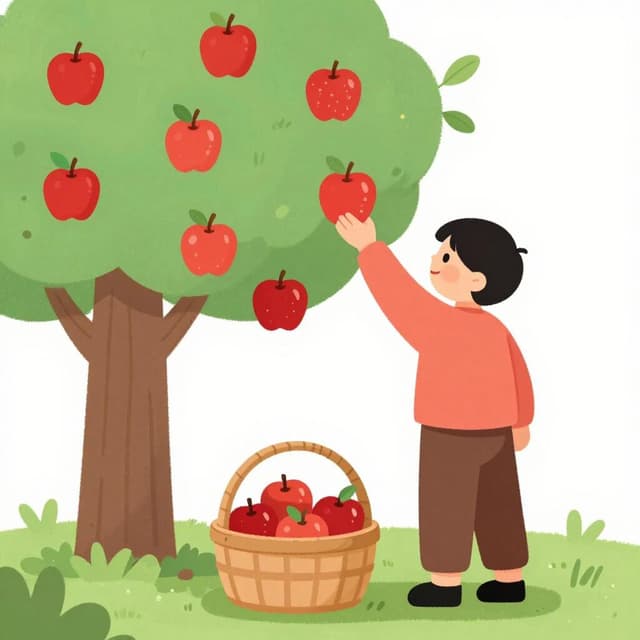
recolectar — to harvest
Use present subjunctive for wishes, doubts, or emotions about current/future actions: 'Espero que recolectes pronto'.
recolectar Present Subjunctive Forms
When to Use the Present Subjunctive
This tense expresses wishes, desires, doubts, emotions, uncertainty, or recommendations about something happening now or in the future. It's often triggered by phrases like 'espero que', 'quiero que', 'dudo que'.
Notes on recolectar in the Present Subjunctive
Recolectar is regular in the present subjunctive. The forms are derived from the 'yo' form of the present indicative (recolecto), dropping the 'o' and adding the opposite vowel ending ('e' for -ar verbs).
Example Sentences
Espero que recolectes suficientes naranjas para el jugo.
I hope you harvest enough oranges for the juice.
tú
Dudo que él recolecte toda la cosecha solo.
I doubt he will harvest the whole crop alone.
él/ella/usted
Queremos que nosotros recolectemos las verduras frescas.
We want us to harvest the fresh vegetables.
nosotros
Es importante que ustedes recolecten a tiempo.
It's important that you (plural) harvest on time.
ellos/ellas/ustedes
No creo que vosotros recolectéis mucho este año.
I don't think you (plural, Spain) will harvest much this year.
vosotros
Common Mistakes
Mistake: Using the present indicative instead of present subjunctive after expressions of doubt or desire.
Correct: Use the present subjunctive: 'Dudo que recolectes' not 'Dudo que recolectas'.
Why: Expressions of doubt, desire, emotion, etc., trigger the subjunctive mood.
Mistake: Confusing the endings for -ar verbs (e.g., using -a instead of -e).
Correct: The present subjunctive for -ar verbs uses '-e' endings: recolecte, recolectes, recolectemos, recolecten.
Why: This is a common error pattern when learning the subjunctive endings.
Master Spanish verbs in context
Memorizing tables only gets you so far. Read 200+ illustrated and narrated Spanish stories to see verbs like 'recolectar' used naturally — in the tenses you're learning.
Related Tenses
Present
yo: recolecto
Present actions or habits, like 'Yo recolecto tomates cada verano' (I harvest tomatoes every summer).
Preterite
yo: recolecté
Completed past actions like 'recolecté las uvas ayer' (I harvested the grapes yesterday).
Imperfect
yo: recolectaba
Ongoing or habitual past actions, like 'Yo recolectaba manzanas todos los años' (I harvested apples every year).
Future
yo: recolectaré
Future actions: 'Recolectaremos el maíz en septiembre' (We will harvest the corn in September).
Conditional
yo: recolectaría
Hypotheticals ('would'), polite requests: 'Yo recolectaría más si tuviera tiempo'.
Imperfect Subjunctive
yo: recolectara
The imperfect subjunctive of recolectar is used for past hypotheticals or wishes, e.g., 'Si recolectara más, tendría más dinero'.
Affirmative Imperative
yo: recolecta
Use the imperative to give direct commands with recolectar, like '¡recolecta manzanas!' (harvest apples!).
Negative Imperative
yo: no recolectes
Use negative commands with 'no' + present subjunctive, like 'no recolectes demasiado pronto'.