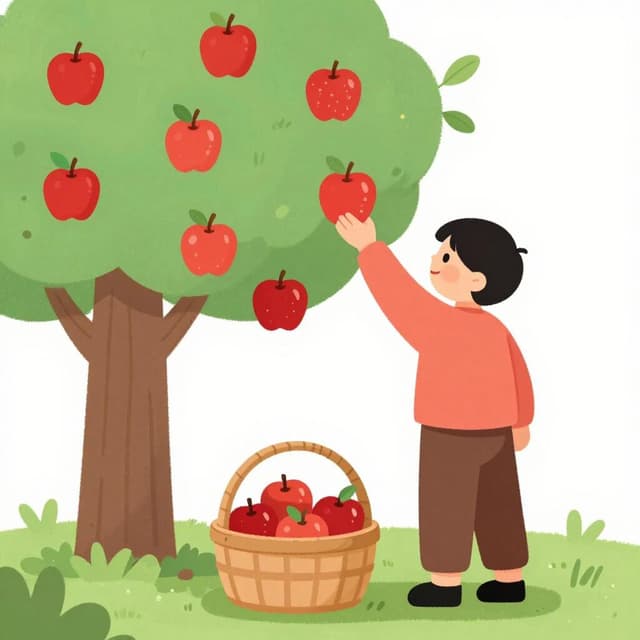
recolectar Preterite Conjugation
recolectar — to harvest
Completed past actions like 'recolecté las uvas ayer' (I harvested the grapes yesterday).
recolectar Preterite Forms
When to Use the Preterite
Use the preterite for actions that started and finished in the past. Think of it as a snapshot of a completed event, like harvesting a specific field on a certain day.
Notes on recolectar in the Preterite
Recolectar is regular in the preterite. All verb endings follow the standard pattern for -ar verbs.
Example Sentences
Ayer, yo recolecté todas las manzanas del huerto.
Yesterday, I harvested all the apples from the orchard.
yo
¿Tú recolectaste las papas la semana pasada?
Did you harvest the potatoes last week?
tú
El granjero recolectó el trigo en agosto.
The farmer harvested the wheat in August.
él/ella/usted
Nosotros recolectamos las aceitunas antes de la primera helada.
We harvested the olives before the first frost.
nosotros
Ellos recolectaron los arándanos durante el verano.
They harvested the blueberries during the summer.
ellos/ellas/ustedes
Common Mistakes
Mistake: Using the imperfect instead of the preterite for a single completed action.
Correct: Use preterite for completed actions: 'Recolecté las fresas' (I harvested the strawberries).
Why: The preterite emphasizes the completion, while the imperfect would suggest it was ongoing or habitual.
Mistake: Forgetting the accent on the 'yo' form.
Correct: The 'yo' form is 'recolecté' with an accent on the final 'é'.
Why: The accent distinguishes it from other forms and marks the stress.
Master Spanish verbs in context
Memorizing tables only gets you so far. Read 200+ illustrated and narrated Spanish stories to see verbs like 'recolectar' used naturally — in the tenses you're learning.
Related Tenses
Present
yo: recolecto
Present actions or habits, like 'Yo recolecto tomates cada verano' (I harvest tomatoes every summer).
Imperfect
yo: recolectaba
Ongoing or habitual past actions, like 'Yo recolectaba manzanas todos los años' (I harvested apples every year).
Future
yo: recolectaré
Future actions: 'Recolectaremos el maíz en septiembre' (We will harvest the corn in September).
Conditional
yo: recolectaría
Hypotheticals ('would'), polite requests: 'Yo recolectaría más si tuviera tiempo'.
Present Subjunctive
yo: recolecte
Use present subjunctive for wishes, doubts, or emotions about current/future actions: 'Espero que recolectes pronto'.
Imperfect Subjunctive
yo: recolectara
The imperfect subjunctive of recolectar is used for past hypotheticals or wishes, e.g., 'Si recolectara más, tendría más dinero'.
Affirmative Imperative
yo: recolecta
Use the imperative to give direct commands with recolectar, like '¡recolecta manzanas!' (harvest apples!).
Negative Imperative
yo: no recolectes
Use negative commands with 'no' + present subjunctive, like 'no recolectes demasiado pronto'.