rescatar Affirmative Imperative Conjugation
rescatar — to rescue
Use imperative forms like 'rescatad' and 'rescate' for direct commands.
rescatar Affirmative Imperative Forms
When to Use the Affirmative Imperative
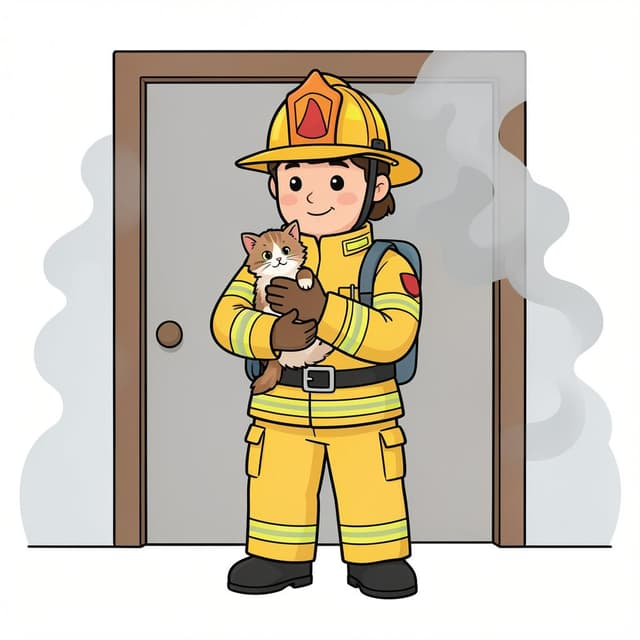
The imperative is for giving direct orders or instructions. For 'rescatar,' you'd use it to tell someone to rescue something or someone, like '¡Rescata al gato!' (Rescue the cat!). It's very direct and used when you're sure of the outcome.
Notes on rescatar in the Affirmative Imperative
Rescatar is regular in the affirmative imperative. The 'tú' form, 'rescata,' is the same as the present indicative.
Example Sentences
¡Rescata a ese perrito!
Rescue that little dog!
tú
¡Rescatad a los rehenes ahora!
Rescue the hostages now!
vosotros
Señores, ¡rescaten a los atrapados!
Gentlemen, rescue those trapped!
ustedes
Vamos, ¡rescatemos a nuestros amigos!
Come on, let's rescue our friends!
nosotros
Common Mistakes
Mistake: Using the present subjunctive instead of the affirmative imperative for 'tú'.
Correct: Use 'rescata' for the tú command, not 'rescates'.
Why: 'Rescates' is used in negative commands ('no rescates') or when expressing doubt/desire in the present subjunctive.
Mistake: Forgetting the 'vosotros' form.
Correct: The vosotros imperative is 'rescatad'.
Why: This form is specific to informal plural commands in Spain.
Master Spanish verbs in context
Memorizing tables only gets you so far. Read 200+ illustrated and narrated Spanish stories to see verbs like 'rescatar' used naturally — in the tenses you're learning.
Related Tenses
Present
yo: rescato
Use present forms like 'rescato' for current actions, habits, or general truths about rescuing.
Preterite
yo: rescaté
Use preterite forms like 'rescató' for completed past actions of rescuing.
Imperfect
yo: rescataba
Use imperfect forms like 'rescataba' for ongoing or habitual past rescues.
Future
yo: rescataré
Use future forms like 'rescataré' for actions that will happen or for probability.
Conditional
yo: rescataría
Use conditional forms like 'rescataría' for hypothetical or polite requests about rescuing.
Present Subjunctive
yo: rescate
Use present subjunctive forms like 'rescate' after expressions of doubt, desire, or emotion.
Imperfect Subjunctive
yo: rescatara
Use imperfect subjunctive forms like 'rescatara' or 'rescatase' for past hypotheticals or wishes.
Negative Imperative
yo: no rescates
Negative commands like 'no rescates' use the present subjunctive.