rescatar Preterite Conjugation
rescatar — to rescue
Use preterite forms like 'rescató' for completed past actions of rescuing.
rescatar Preterite Forms
When to Use the Preterite
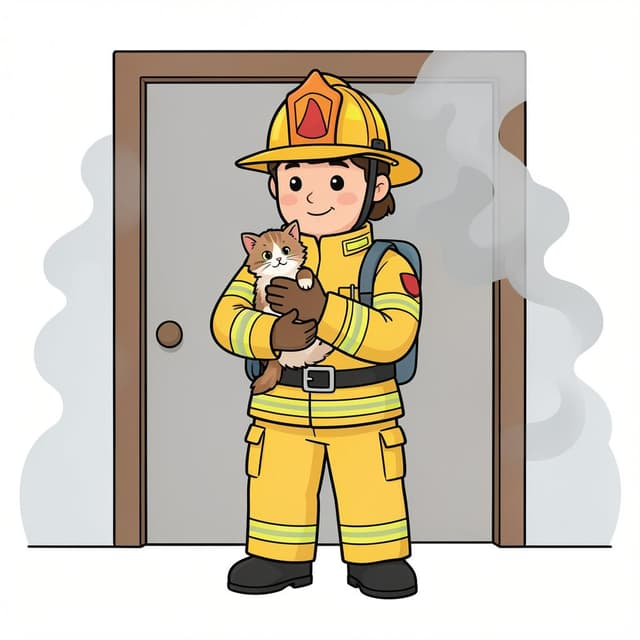
The preterite is perfect for describing a rescue that happened and finished at a specific point in the past. Think of it as the 'action completed' tense. 'El bombero rescató al gato del árbol' (The firefighter rescued the cat from the tree) clearly indicates a finished event.
Notes on rescatar in the Preterite
Rescatar is regular in the preterite tense. All the standard -ar endings apply.
Example Sentences
Ayer, los socorristas rescataron a los excursionistas perdidos.
Yesterday, the rescuers rescued the lost hikers.
ellos/ellas/ustedes
Yo rescaté a mi perro de la perrera.
I rescued my dog from the pound.
yo
¿Rescataste la cartera que se cayó?
Did you rescue the wallet that fell?
tú
El equipo rescató al minero atrapado.
The team rescued the trapped miner.
él/ella/usted
Common Mistakes
Mistake: Using the imperfect 'rescataba' instead of the preterite.
Correct: Use 'rescató' for a single, completed rescue, not 'rescataba'.
Why: The imperfect describes ongoing or habitual past actions, while the preterite is for finished events.
Mistake: Forgetting the accent on 'yo' and 'él/ella/usted' forms.
Correct: The forms are 'rescaté' and 'rescató'.
Why: The accent marks the stressed syllable and distinguishes these forms from other verb tenses or words.
Master Spanish verbs in context
Memorizing tables only gets you so far. Read 200+ illustrated and narrated Spanish stories to see verbs like 'rescatar' used naturally — in the tenses you're learning.
Related Tenses
Present
yo: rescato
Use present forms like 'rescato' for current actions, habits, or general truths about rescuing.
Imperfect
yo: rescataba
Use imperfect forms like 'rescataba' for ongoing or habitual past rescues.
Future
yo: rescataré
Use future forms like 'rescataré' for actions that will happen or for probability.
Conditional
yo: rescataría
Use conditional forms like 'rescataría' for hypothetical or polite requests about rescuing.
Present Subjunctive
yo: rescate
Use present subjunctive forms like 'rescate' after expressions of doubt, desire, or emotion.
Imperfect Subjunctive
yo: rescatara
Use imperfect subjunctive forms like 'rescatara' or 'rescatase' for past hypotheticals or wishes.
Affirmative Imperative
yo: rescata
Use imperative forms like 'rescatad' and 'rescate' for direct commands.
Negative Imperative
yo: no rescates
Negative commands like 'no rescates' use the present subjunctive.