rescatar Present Conjugation
rescatar — to rescue
Use present forms like 'rescato' for current actions, habits, or general truths about rescuing.
rescatar Present Forms
When to Use the Present
The present tense is your go-to for actions happening right now, habitual activities, or general facts. For 'rescatar,' it could be 'Yo rescato animales abandonados' (I rescue abandoned animals) as a regular activity, or 'Este equipo de rescate trabaja rápido' (This rescue team works fast) describing their usual manner.
Notes on rescatar in the Present
Rescatar is regular in the present indicative. It follows the standard pattern for -ar verbs.
Example Sentences
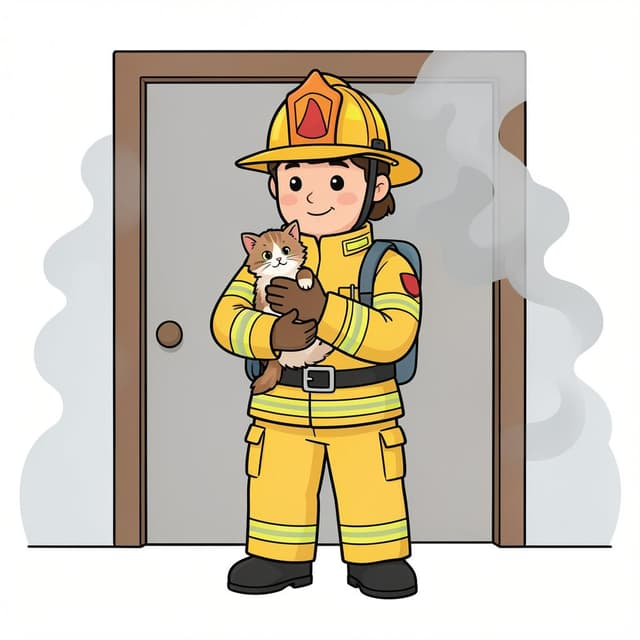
Yo rescato a los gatos que encuentro en la calle.
I rescue the cats I find in the street.
yo
¿Tú rescatas a menudo a tus amigos de problemas?
Do you often rescue your friends from trouble?
tú
Ella rescata perros del refugio cada fin de semana.
She rescues dogs from the shelter every weekend.
él/ella/usted
Nosotros rescatamos información valiosa de los archivos antiguos.
We rescue valuable information from old archives.
nosotros
Common Mistakes
Mistake: Using the present tense for a specific, completed past rescue.
Correct: For a completed past action, use the preterite 'rescató', not the present 'rescata'.
Why: The present tense describes ongoing or habitual actions, not single finished events in the past.
Mistake: Incorrect conjugation for 'vosotros'.
Correct: The correct form is 'rescatáis', not 'rescatan' or 'rescata'.
Why: The '-áis' ending is the standard for 'vosotros' in the present indicative of -ar verbs.
Master Spanish verbs in context
Memorizing tables only gets you so far. Read 200+ illustrated and narrated Spanish stories to see verbs like 'rescatar' used naturally — in the tenses you're learning.
Related Tenses
Preterite
yo: rescaté
Use preterite forms like 'rescató' for completed past actions of rescuing.
Imperfect
yo: rescataba
Use imperfect forms like 'rescataba' for ongoing or habitual past rescues.
Future
yo: rescataré
Use future forms like 'rescataré' for actions that will happen or for probability.
Conditional
yo: rescataría
Use conditional forms like 'rescataría' for hypothetical or polite requests about rescuing.
Present Subjunctive
yo: rescate
Use present subjunctive forms like 'rescate' after expressions of doubt, desire, or emotion.
Imperfect Subjunctive
yo: rescatara
Use imperfect subjunctive forms like 'rescatara' or 'rescatase' for past hypotheticals or wishes.
Affirmative Imperative
yo: rescata
Use imperative forms like 'rescatad' and 'rescate' for direct commands.
Negative Imperative
yo: no rescates
Negative commands like 'no rescates' use the present subjunctive.