área
“área” means “area” in Spanish. It has 3 different meanings depending on context:



area, zone
Also: region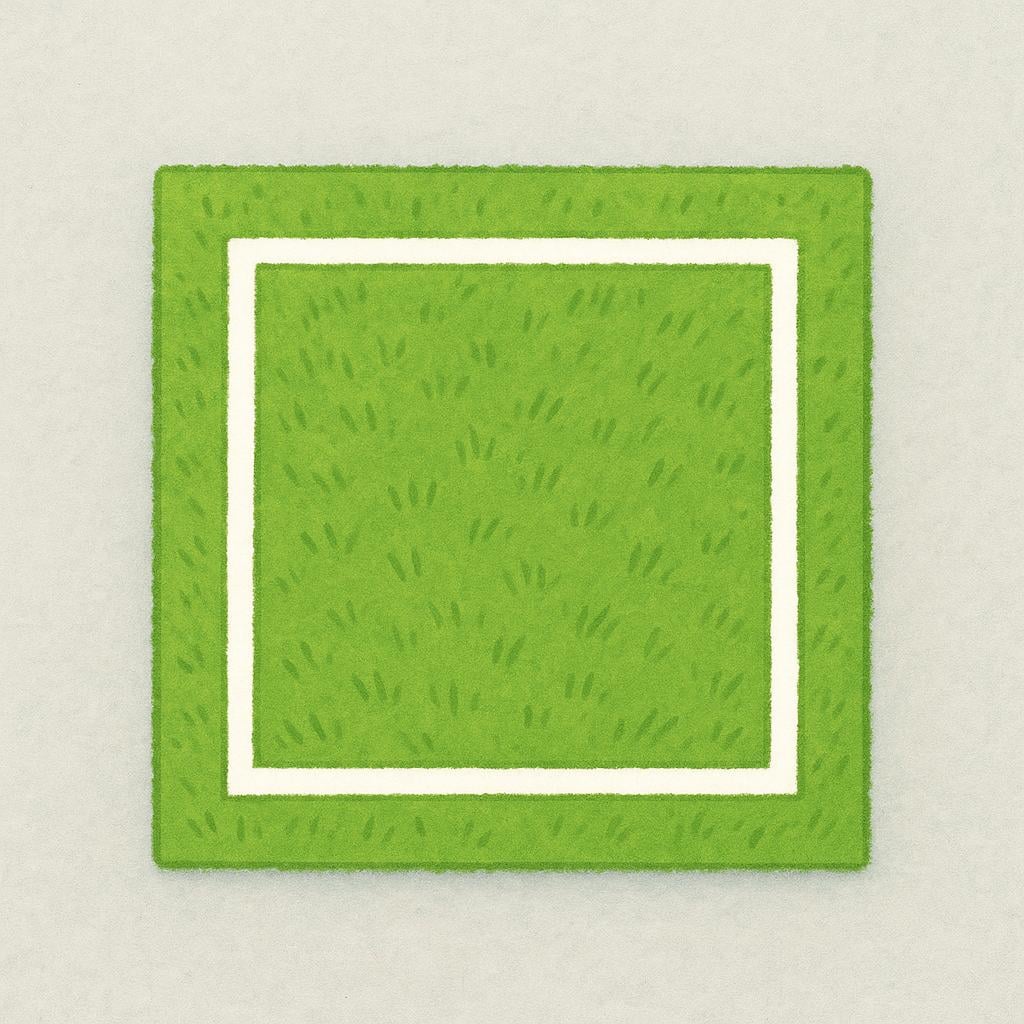
📝 In Action
Esta área es muy segura para caminar de noche.
A2This area is very safe to walk in at night.
Necesitamos limpiar el área de trabajo antes de irnos.
A1We need to clean the work area before we leave.
El área metropolitana tiene mucha población.
B1The metropolitan area has a large population.
field, domain
Also: department
📝 In Action
Ella trabaja en el área de recursos humanos.
B1She works in the Human Resources department/area.
La investigación cubre el área de la inteligencia artificial.
B2The research covers the field of artificial intelligence.
Cada empleado es responsable de su propia área.
B1Each employee is responsible for their own domain/area.
penalty area, box
Also: goal box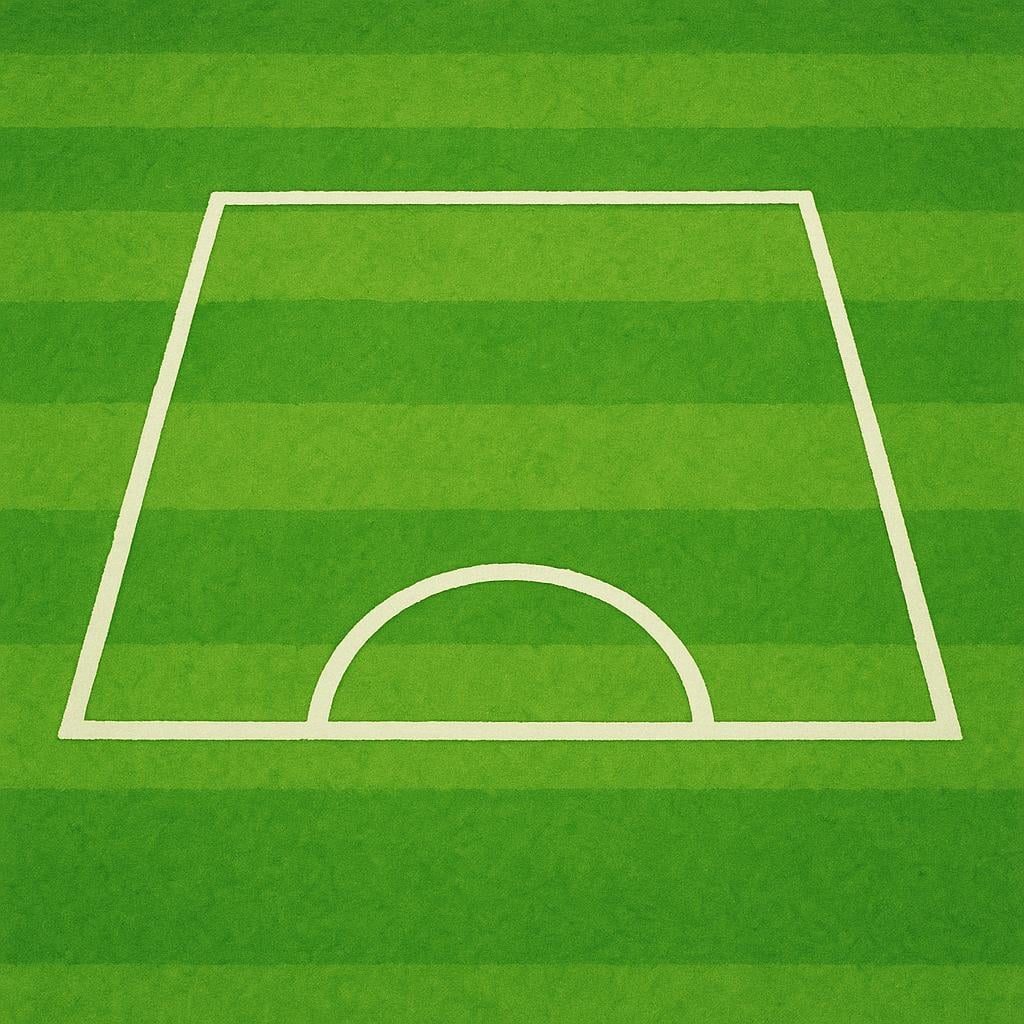
📝 In Action
El árbitro pitó penalti dentro del área.
B2The referee called a penalty inside the box (penalty area).
Defienden bien su área, no hay espacios.
B2They defend their box well; there are no gaps.
Translate to Spanish
✏️ Quick Practice
Quick Quiz: área
Question 1 of 2
Which sentence correctly uses the article for the noun 'área'?
📚 More Resources
👥 Word Family▼
🎵 Rhymes▼
📚 Etymology▼
Comes directly from the Latin word *ārea*, which meant an empty space, a threshing floor, or an open court. It always carried the idea of a defined surface or scope.
First recorded: 15th century (via Latin medical and geometric texts)
Cognates (Related words)
💡 Master Spanish
Take your Spanish to the next level. Read 200+ illustrated and narrated Spanish stories tailored to your level with the Inklingo app!
Frequently Asked Questions
Is 'área' a masculine or feminine word?
It is a feminine word. We know this because any descriptive words (adjectives) must be feminine ('el área pequeña'). However, when it is singular, it uses the masculine article 'el' ('el área') to prevent the sound clash that would happen with 'la área.'
Why does the word 'área' have an accent mark?
The accent mark indicates where the stress falls when you say the word. Spanish words ending in a vowel usually stress the second-to-last syllable, but 'área' stresses the third-to-last (Á-re-a), making the accent necessary to show this exception.