Disney
“Disney” means “Disney” in Spanish. It has 2 different meanings depending on context:
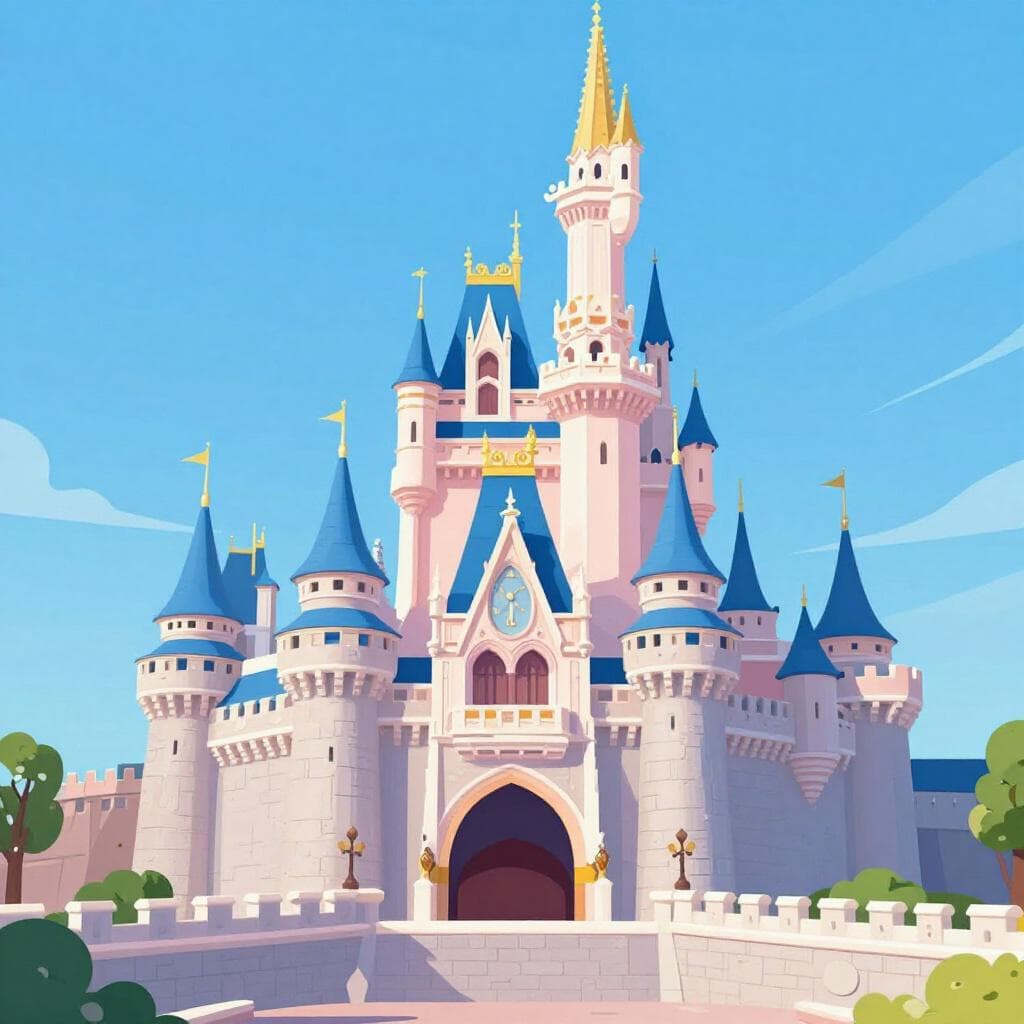
Disney
Also: Disney World / Disneyland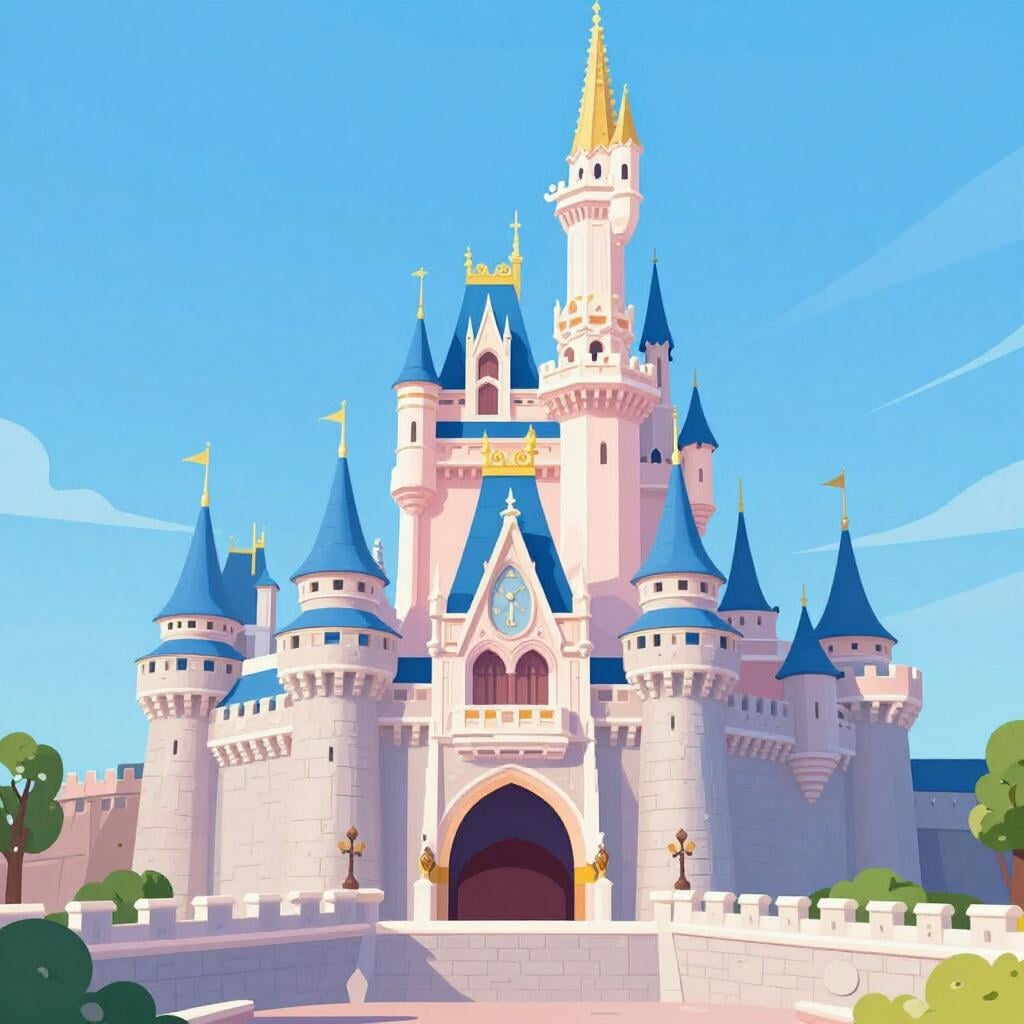
📝 In Action
Queremos ir a Disney el próximo año.
A1We want to go to Disney next year.
Me encantan las películas clásicas de Disney.
A1I love the classic Disney movies.
Disney compró los derechos de la saga.
B1Disney bought the rights to the saga.
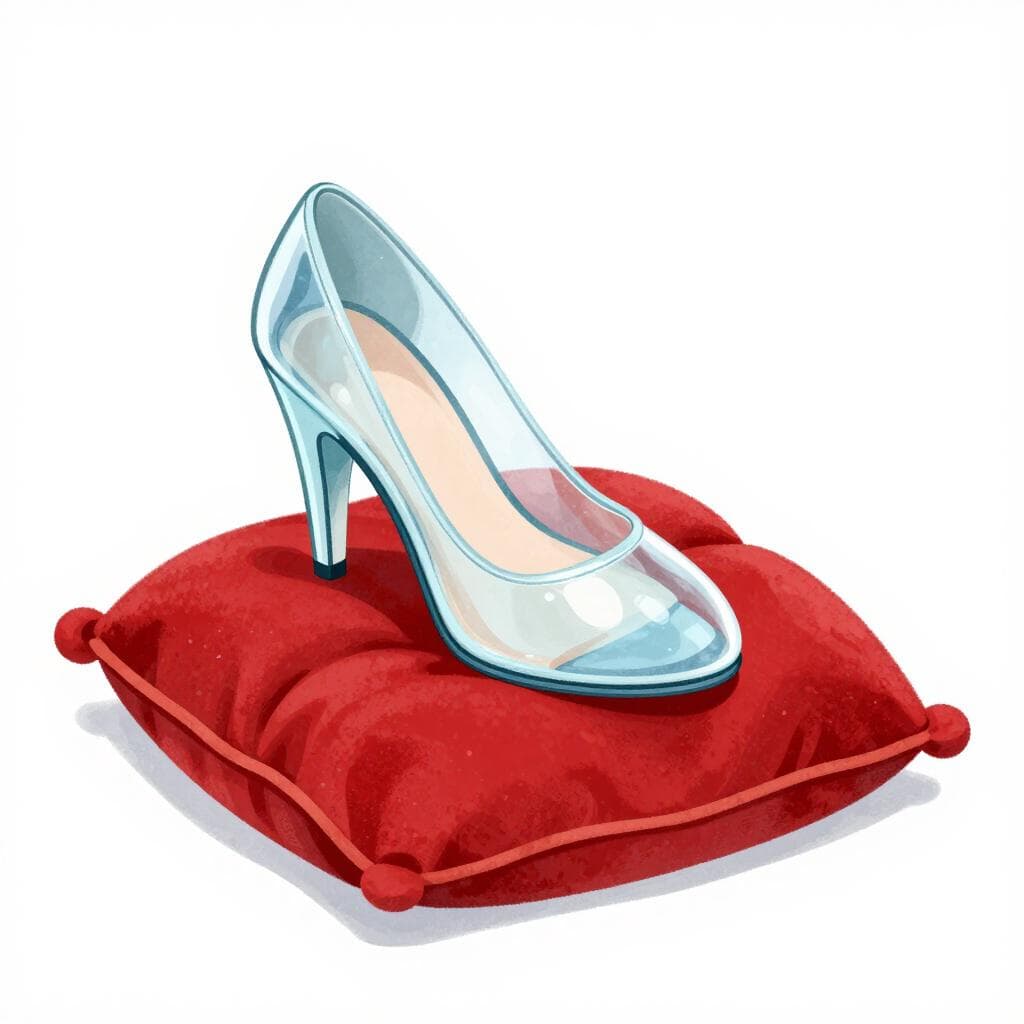
fairy tale
Also: wonderland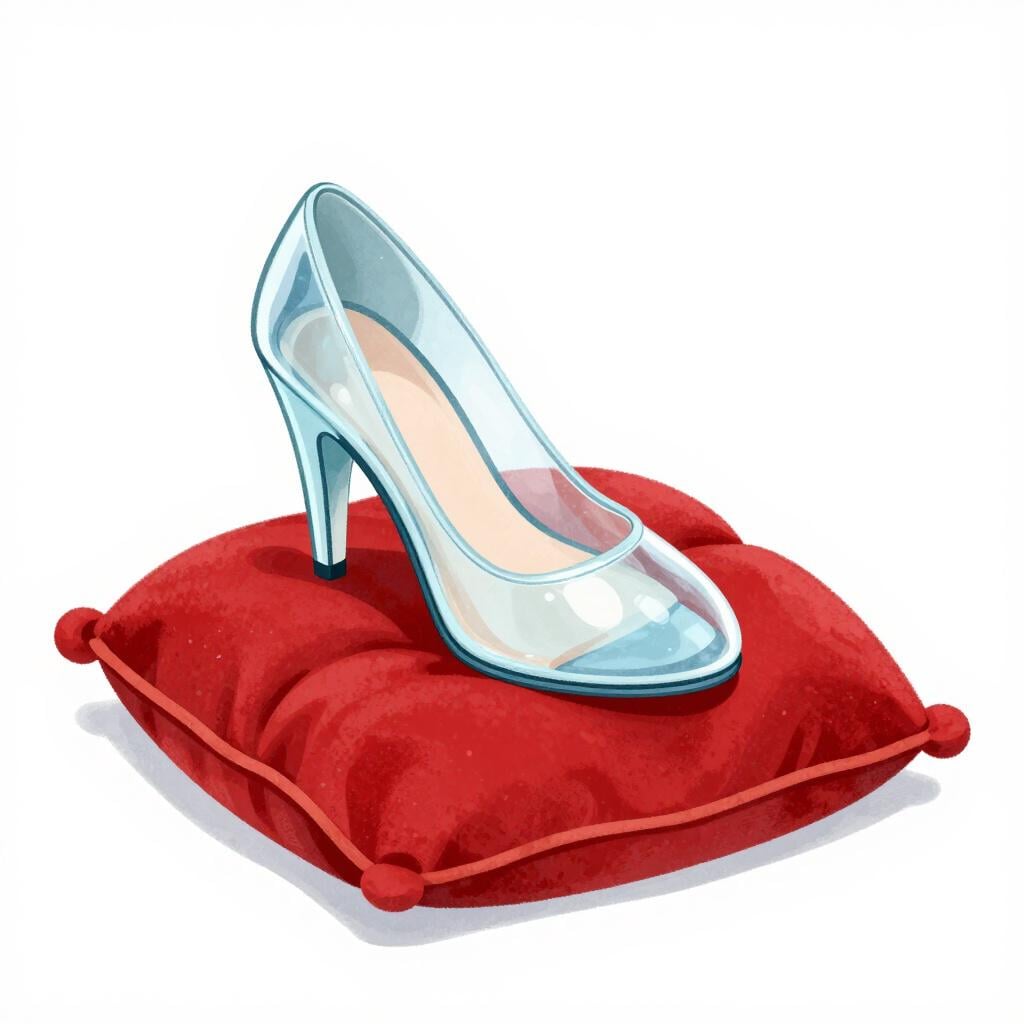
📝 In Action
Su nueva oficina es como Disney, tiene comida gratis y juegos.
B2His new office is like a wonderland; it has free food and games.
No creas que la vida real es Disney.
B2Don't think that real life is a fairy tale.
Ese viaje fue Disney, todo salió perfecto.
C1That trip was like a dream, everything turned out perfect.
Translate to Spanish
✏️ Quick Practice
Quick Quiz: Disney
Question 1 of 3
If someone says 'Mi trabajo parece Disney,' what do they likely mean?
📚 More Resources
👥 Word Family▼
📚 Etymology▼
Derived from the surname of the founder, Walt Disney. In Spanish, it was adopted as a brand name that became synonymous with animation and theme parks.
First recorded: 20th century
Cognates (Related words)
💡 Master Spanish
Take your Spanish to the next level. Read 200+ illustrated and narrated Spanish stories tailored to your level with the Inklingo app!
Frequently Asked Questions
Do I need to use 'el' before Disney?
Usually no. You say 'Voy a Disney' or 'Me gusta Disney.' However, if you are talking about the 'Disney store' (la tienda de Disney) or 'the Disney park' (el parque de Disney), the article matches that hidden noun.
Is 'Disneylandia' still used?
Yes, 'Disneylandia' is the traditional Spanish translation for Disneyland, but many people nowadays simply say 'Disney' for both parks.
How is it pronounced differently in Spanish?
While it sounds similar to English, Spanish speakers often put a slightly stronger emphasis on the 'i' and 'e' sounds, making it sound like 'DEES-ney'.