Inklingo

abandona

/ah-bahn-DOH-nah/

he/she/it abandons

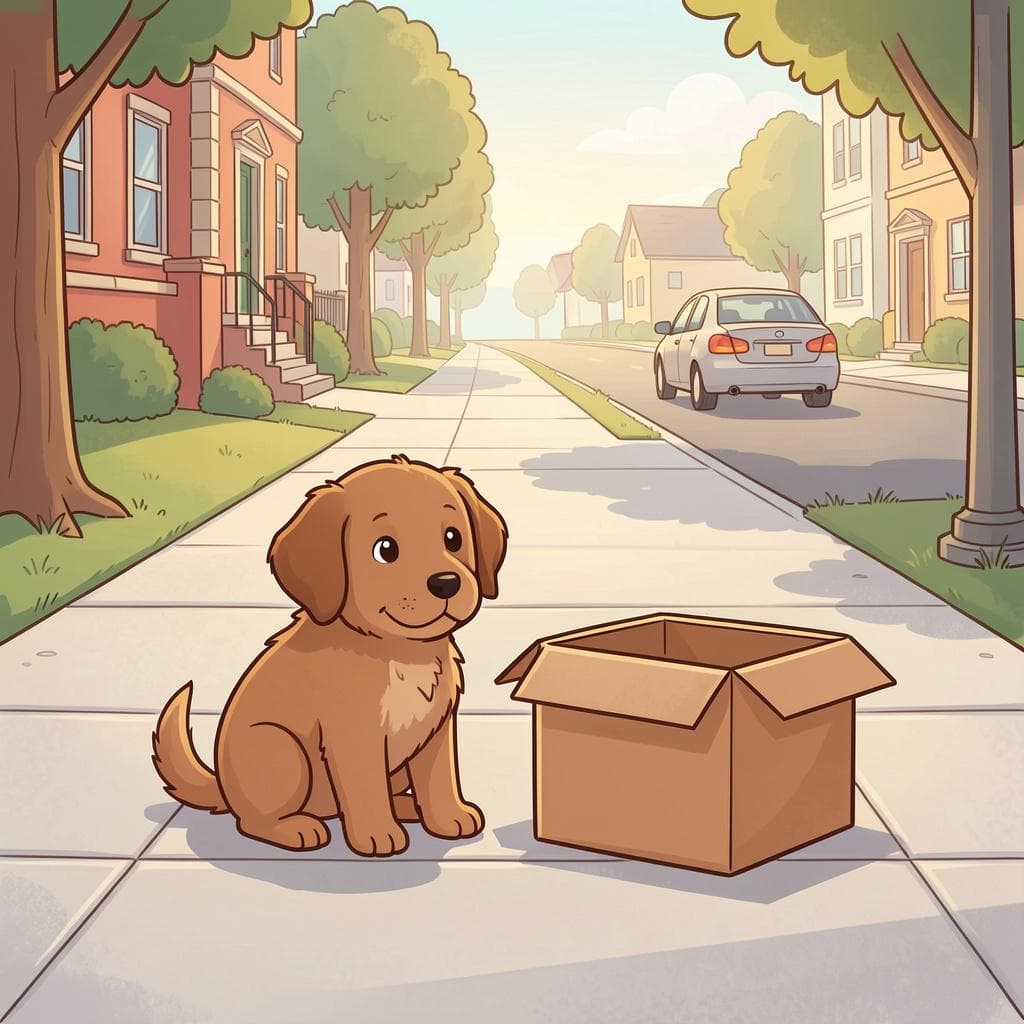
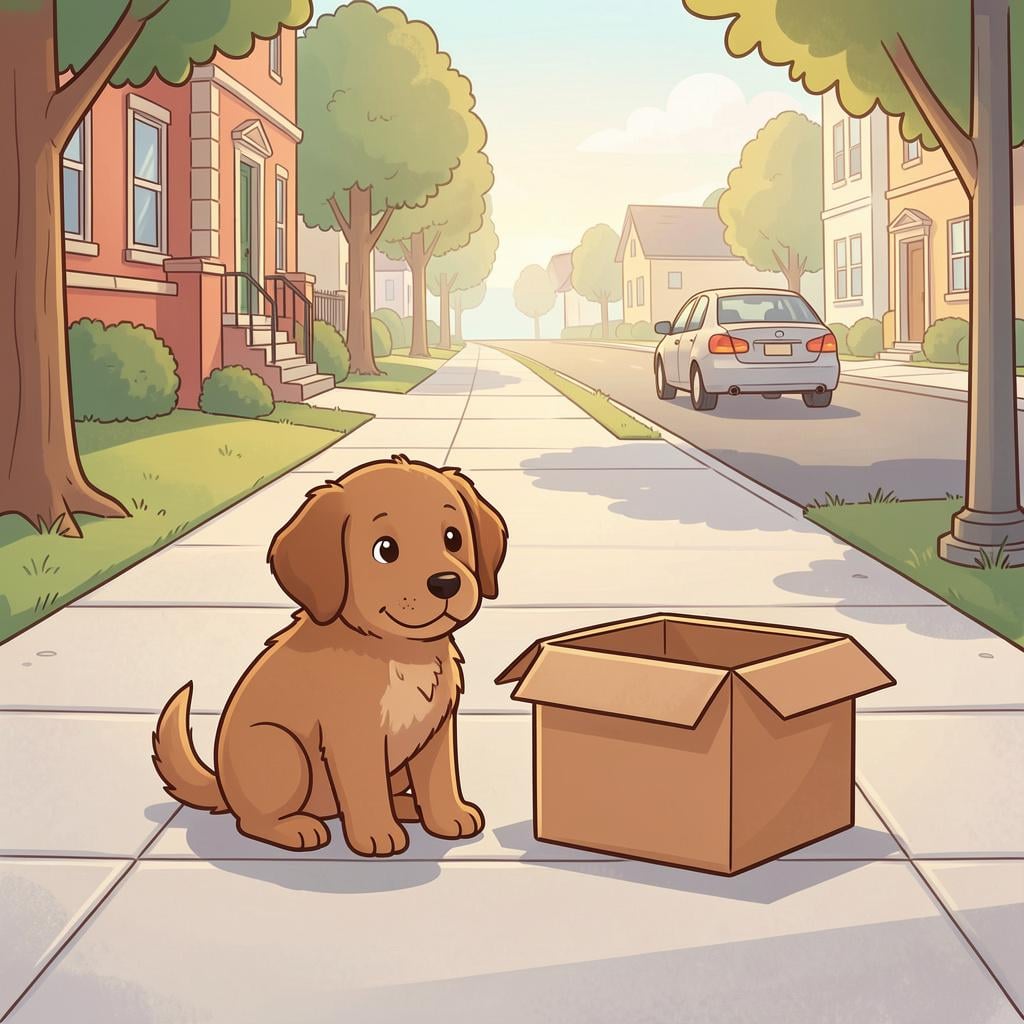
A small, lonely brown puppy sitting on a street corner next to a cardboard box as a car drives away in the distance.

A puppy left behind illustrates the act of abandoning someone.

abandona(verb)

A2regular ar

he/she/it abandons

?

leaving someone or something forever

,

he/she/it leaves

?

walking away from a place or situation

Also:

he/she/it gives up

?

quitting a habit or a competition

📝 In Action

Él abandona la ciudad cada verano.

A1

He leaves the city every summer.

Ella nunca abandona a sus amigos.

A2

She never abandons her friends.

El equipo abandona el torneo por falta de fondos.

B1

The team is quitting the tournament due to a lack of funds.

Word Connections

Synonyms

  • deja (leaves)
  • desampara (forsakes)

Antonyms

Common Collocations

  • abandona el barcoabandons ship
  • abandona los estudiosdrops out of school

💡 Grammar Points

One word, two jobs

In Spanish, 'abandona' can either be used to describe what someone else is doing ('He abandons') or to give a direct order to a friend ('Abandon!').

❌ Common Pitfalls

Don't confuse the tense

Mistake: "Using 'abandona' to mean 'he abandoned' (past tense)."

Correction: Use 'abandonó' for the past. 'Abandona' (no accent) is for the present or a command.

⭐ Usage Tips

When to use it

Use this word when someone is leaving something permanently or giving up on something difficult. It's stronger and more emotional than just 'leaving' a room.

A person dropping a heavy backpack and running towards a bright green forest, leaving the object behind.

Dropping an object and walking away represents the command to abandon it.

abandona(verb)

B1

abandon!

?

a command to leave something immediately

,

give up!

?

telling someone to stop an activity

📝 In Action

¡Abandona el edificio ahora mismo!

A2

Leave the building right now!

Abandona esa idea, no va a funcionar.

B1

Give up that idea; it's not going to work.

⭐ Usage Tips

Talking to friends

This 'command' version of the word is only for people you are close to (the 'tú' form). If you're being formal, use 'abandone' instead.

🔄 Conjugations

subjunctive

imperfect

ellos/ellas/ustedesabandonaran
yoabandonara
abandonaras
vosotrosabandonarais
nosotrosabandonáramos
él/ella/ustedabandonara

present

ellos/ellas/ustedesabandonen
yoabandone
abandones
vosotrosabandonéis
nosotrosabandonemos
él/ella/ustedabandone

indicative

preterite

ellos/ellas/ustedesabandonaron
yoabandoné
abandonaste
vosotrosabandonasteis
nosotrosabandonamos
él/ella/ustedabandonó

imperfect

ellos/ellas/ustedesabandonaban
yoabandonaba
abandonabas
vosotrosabandonabais
nosotrosabandonábamos
él/ella/ustedabandonaba

present

ellos/ellas/ustedesabandonan
yoabandono
abandonas
vosotrosabandonáis
nosotrosabandonamos
él/ella/ustedabandona

✏️ Quick Practice

💡 Quick Quiz: abandona

Question 1 of 1

If you see the sign '¡Abandona el área!', what should you do?

📚 More Resources

Word Family

Frequently Asked Questions

What is the difference between 'abandona' and 'abandonó'?

Accent marks change the time! 'Abandona' (no accent) means it is happening now (he leaves) or is a command. 'Abandonó' (with an accent) means it already happened (he left).