abrí
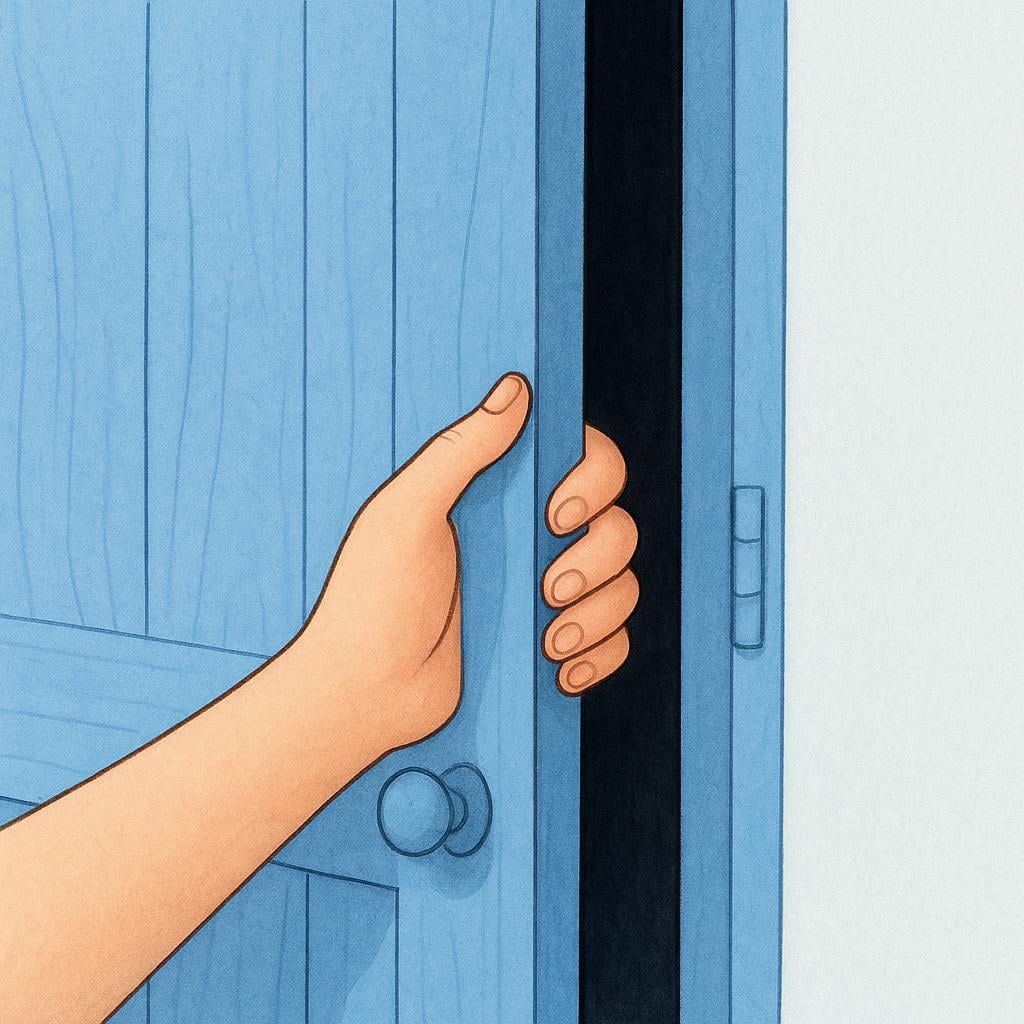
“abrí” means “I opened” in Spanish (Simple past action).
I openedAlso: I started
📝 In Action
Abrí la puerta con la llave que me diste.
A1I opened the door with the key you gave me.
Ayer abrí mi primer negocio en el centro de la ciudad.
A2Yesterday, I opened (started) my first business in the city center.
Cuando abrí los ojos, el sol ya había salido.
A1When I opened my eyes, the sun had already come up.
Word Connections
Indicative
Present
Preterite
Imperfect
Subjunctive
Present Subjunctive
Imperfect Subjunctive
Translate to Spanish
Words that translate to "abrí" in Spanish:
✏️ Quick Practice
Quick Quiz: abrí
Question 1 of 2
Which Spanish verb is 'abrí' a conjugation of?
📚 More Resources
📚 Etymology
Comes from the Latin verb *aperīre*, meaning 'to uncover' or 'to open.' The Spanish word kept the core meaning and evolved its form over centuries.
First recorded: Old Spanish (around the 13th century)
Cognates (Related words)
💡 Master Spanish
Take your Spanish to the next level. Read 200+ illustrated and narrated Spanish stories tailored to your level with the Inklingo app!
Frequently Asked Questions
Is 'abrí' an irregular verb?
No, 'abrir' is a regular verb in Spanish. This means it follows the standard pattern for -ir verbs in almost all tenses, including the simple past tense ('abrí').
How do I know if I should use 'abrí' or 'abría'?
'Abrí' (simple past) describes a single action that finished: 'Abrí la caja' (I opened the box). 'Abría' (imperfect past) describes repeated actions or background context: 'Abría la caja todos los días' (I used to open the box every day).