abstenerse
“abstenerse” means “to refrain” in Spanish. It has 2 different meanings depending on context:
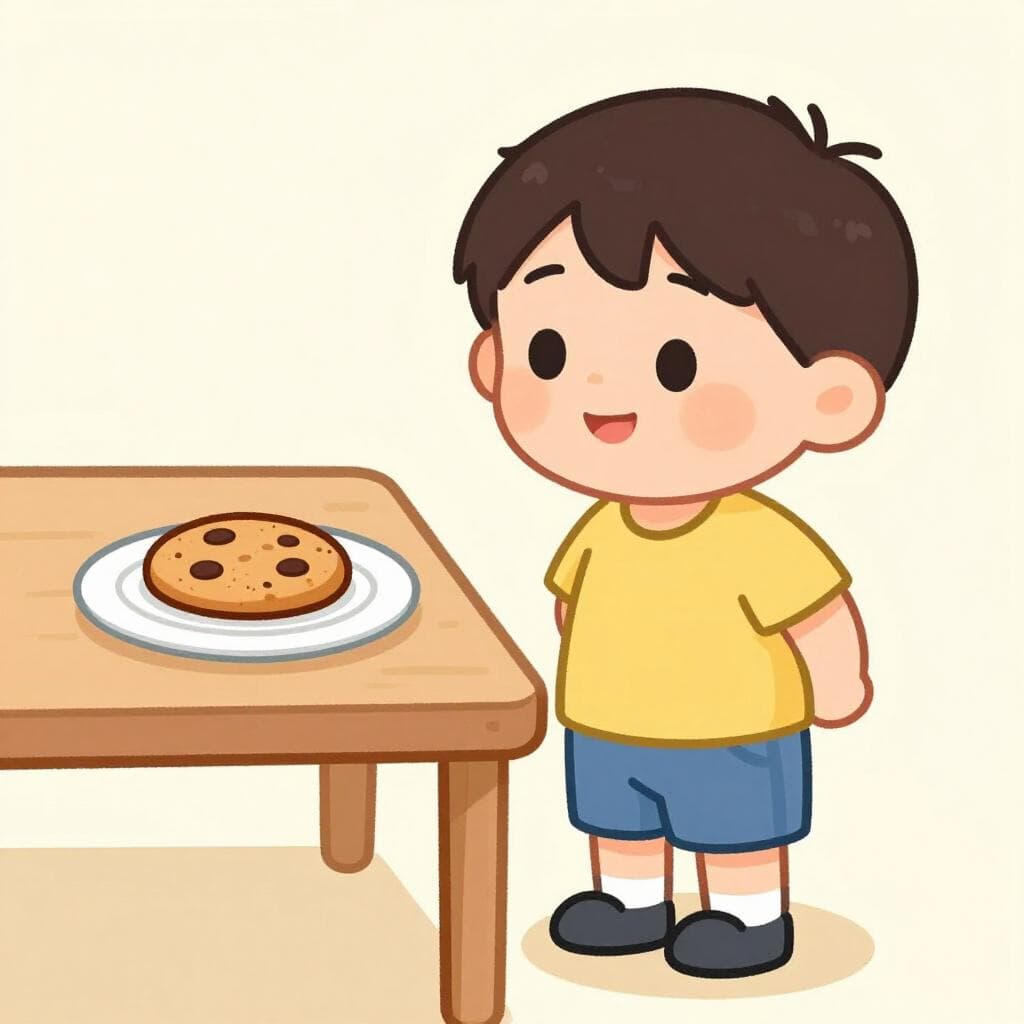

to refrain, to abstain
Also: to go without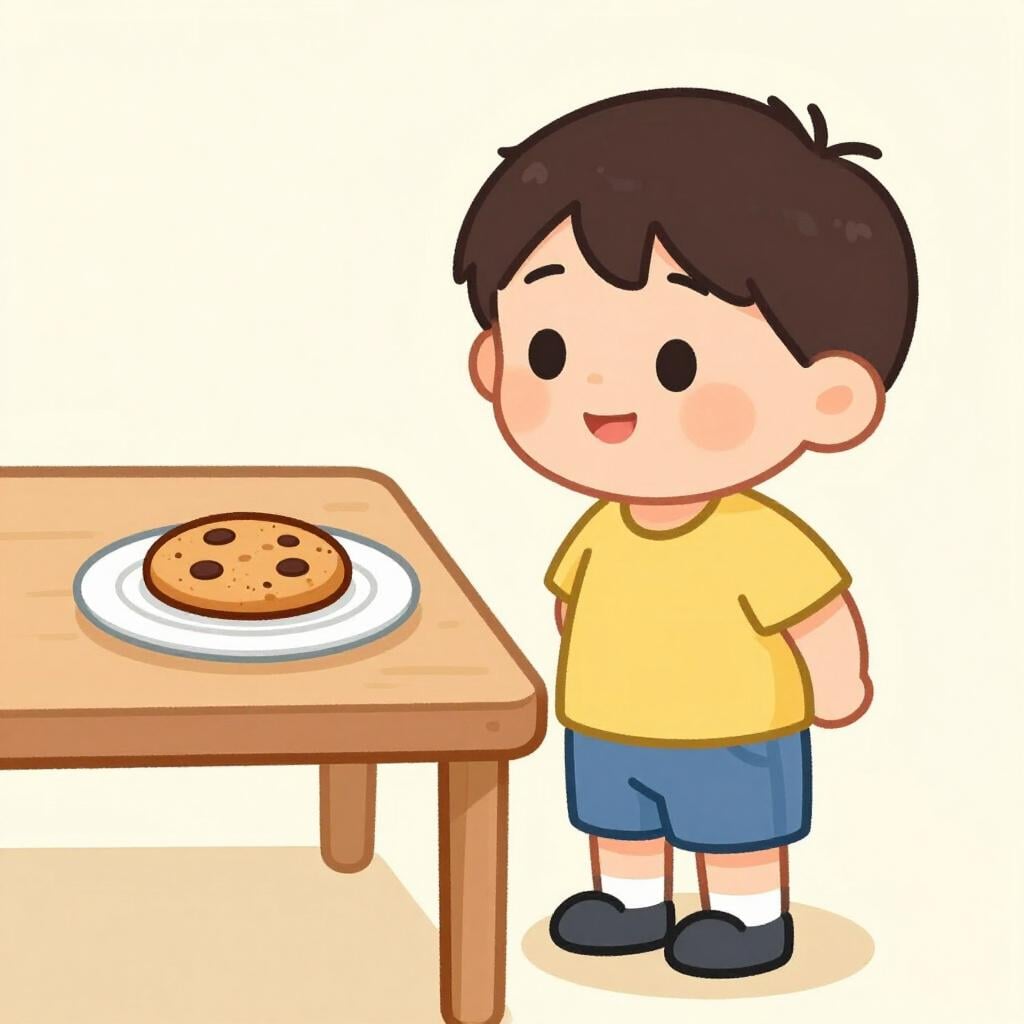
📝 In Action
Debes abstenerte de comer dulces antes de la cena.
B1You must refrain from eating sweets before dinner.
Me abstengo de opinar en este asunto.
B1I refrain from giving my opinion on this matter.
El médico le recomendó abstenerse de beber alcohol.
B2The doctor recommended that he abstain from drinking alcohol.
to abstain

📝 In Action
Dos países decidieron abstenerse en la votación.
B2Two countries decided to abstain in the vote.
Es su derecho abstenerse si no apoya ninguna opción.
C1It is your right to abstain if you don't support any option.
Subjunctive
Imperfect Subjunctive
Present Subjunctive
Indicative
Preterite
Imperfect
Present
Translate to Spanish
✏️ Quick Practice
Quick Quiz: abstenerse
Question 1 of 3
Which word almost always follows 'abstenerse' when you name what you are refraining from?
📚 More Resources
👥 Word Family▼
🎵 Rhymes▼
📚 Etymology▼
From the Latin 'abstinere', which is made of 'abs' (away from) and 'tenere' (to hold). Literally, it means 'to hold oneself away' from something.
First recorded: 13th century
Cognates (Related words)
💡 Master Spanish
Take your Spanish to the next level. Read 200+ illustrated and narrated Spanish stories tailored to your level with the Inklingo app!
Frequently Asked Questions
Why do I need the 'se' at the end?
The 'se' makes the verb reflexive, meaning you are applying the action of 'holding back' to yourself. Without it, the word feels incomplete in Spanish.
Is it the same as 'evitar' (to avoid)?
They are close! 'Evitar' is more about staying away from a situation or person, while 'abstenerse' is more about controlling your own urges or deciding not to participate in an action.
Is it always formal?
It is neutral to formal. You can use it in a doctor's office or a legal document, but it's also perfectly fine to use when talking seriously about habits.