aburrida
“aburrida” means “bored” in Spanish. It has 2 different meanings depending on context:
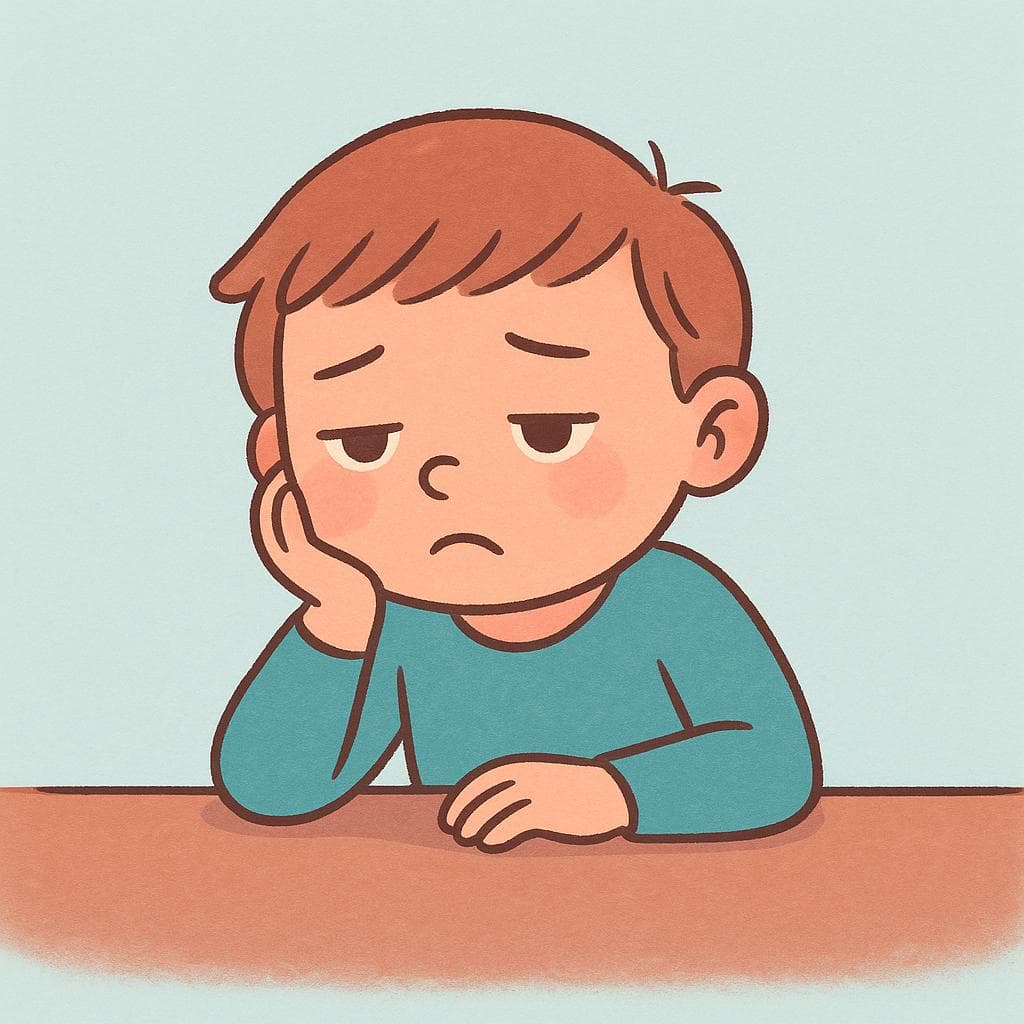
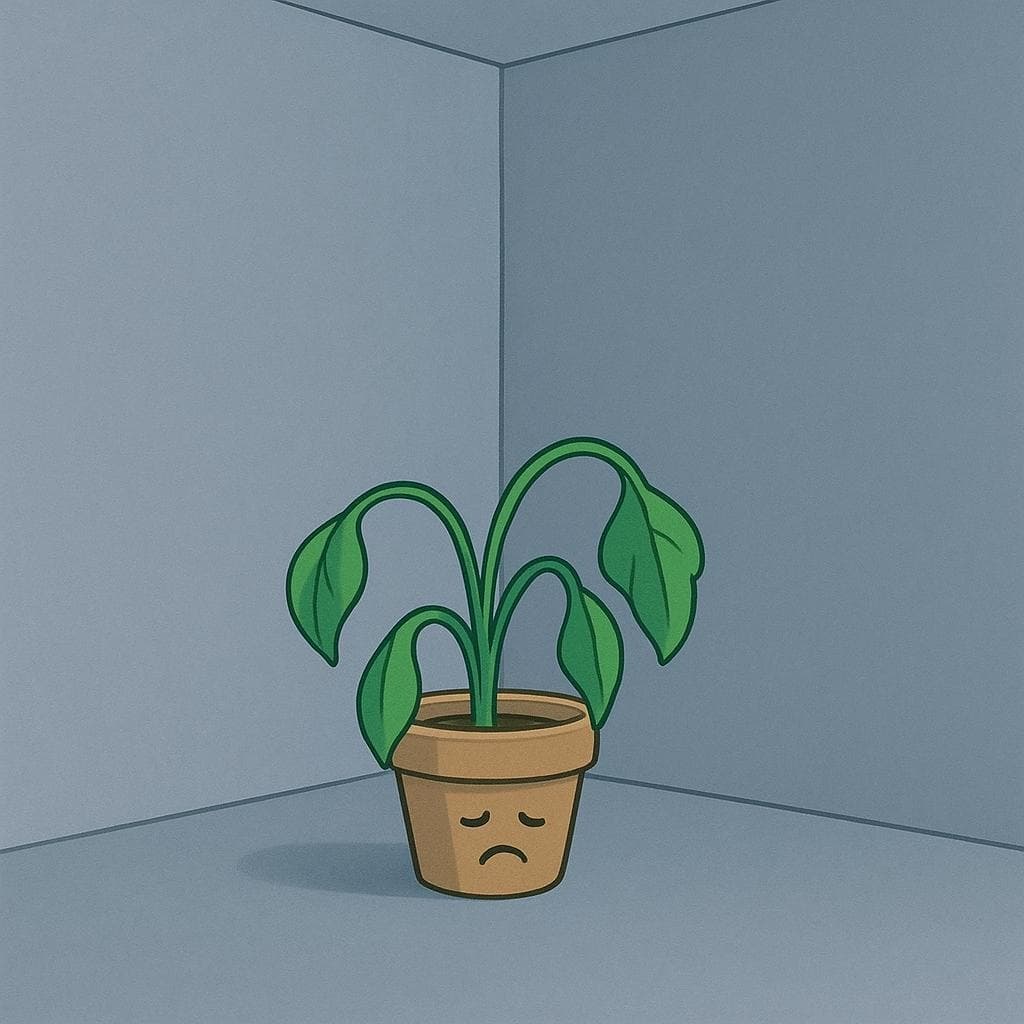
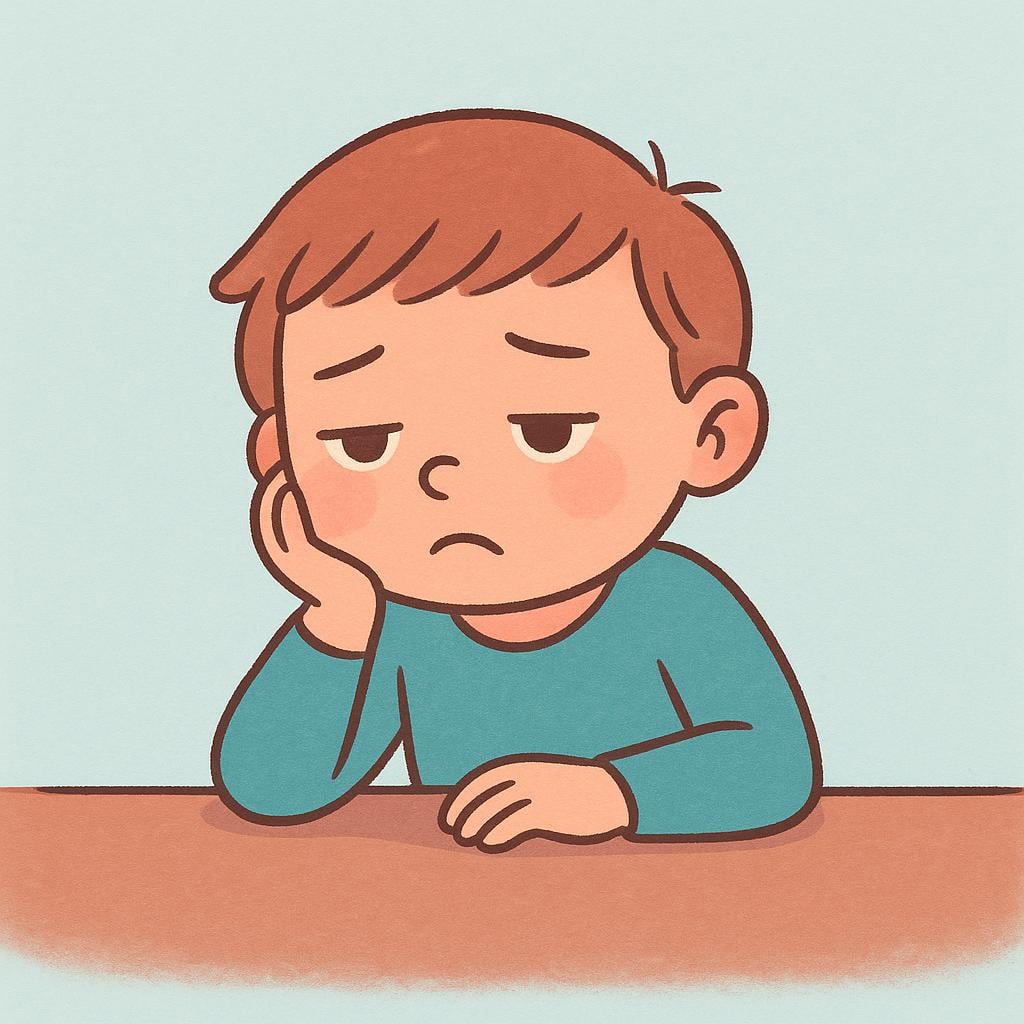
boredAlso: uninterested
📝 In Action
Mi hermana está aburrida porque no hay internet.
A1My sister is bored because there is no internet.
Después de dos horas, la niña se sentía aburrida.
A2After two hours, the girl felt bored.
Word Connections
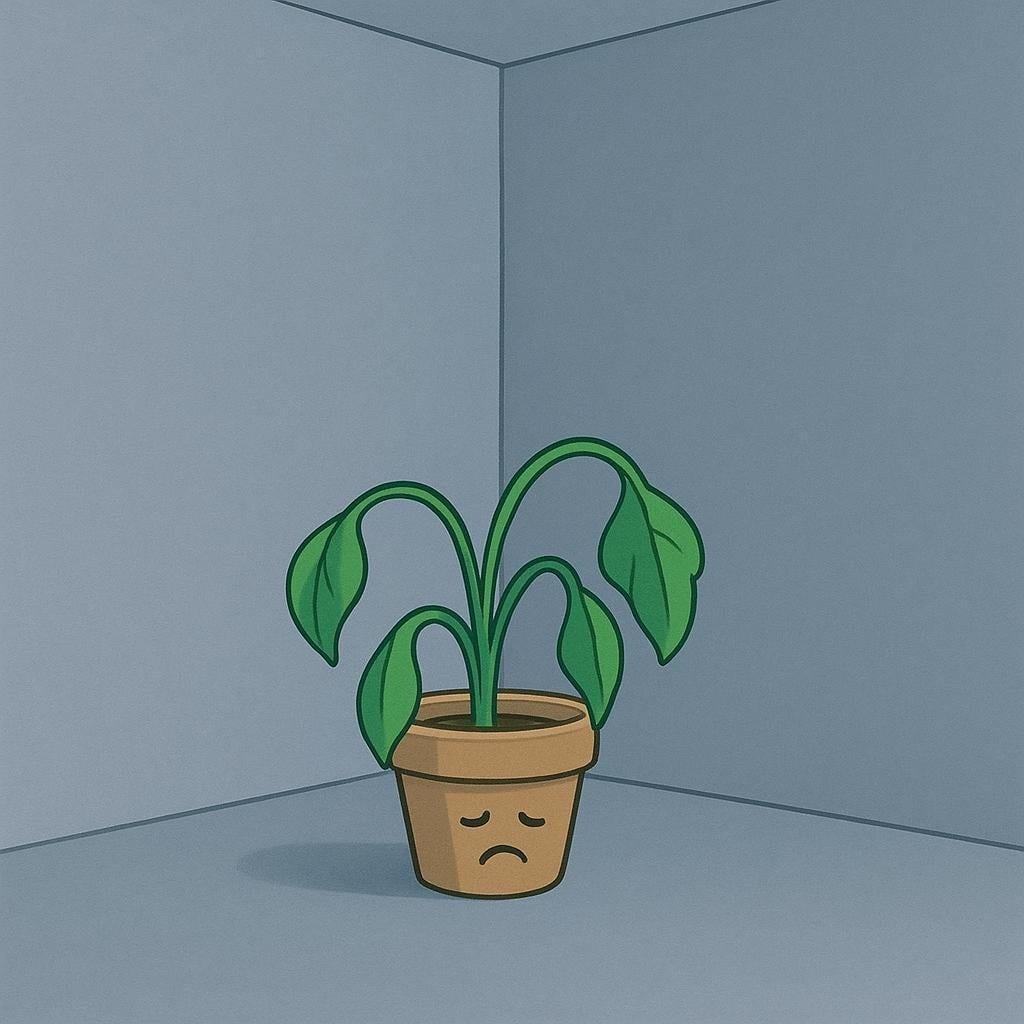
boringAlso: dull, monotonous
📝 In Action
La conferencia de ayer fue increíblemente aburrida.
A2Yesterday's conference was incredibly boring.
No la invites, su conversación es muy aburrida.
B1Don't invite her, her conversation is very boring.
Word Connections
Translate to Spanish
Words that translate to "aburrida" in Spanish:
✏️ Quick Practice
Quick Quiz: aburrida
Question 1 of 2
Which sentence correctly uses 'aburrida' to say that a movie is dull?
📚 More Resources
👥 Word Family
📚 Etymology
The word comes from the verb 'aburrir,' which itself evolved from the older Latin verb *abhorrēre*, meaning 'to shrink back from' or 'to detest.' Over time in Spanish, the meaning shifted from 'to cause detestation' to the softer sense of 'to weary' or 'to bore.'
First recorded: 15th century (as aburrir)
Cognates (Related words)
💡 Master Spanish
Take your Spanish to the next level. Read 200+ illustrated and narrated Spanish stories tailored to your level with the Inklingo app!
Frequently Asked Questions
Why does 'aburrida' have two opposite-sounding meanings in Spanish (bored and boring)?
This happens because 'aburrida' comes from the verb 'aburrir' (to bore). When you use it with 'estar' (Ella está aburrida), it describes the *result* of the action (she feels bored). When you use it with 'ser' (La clase es aburrida), it describes the *cause* of the action (the class is the thing that bores others).