acera
“acera” means “sidewalk” in Spanish (American English).
sidewalk, pavement
Also: walkway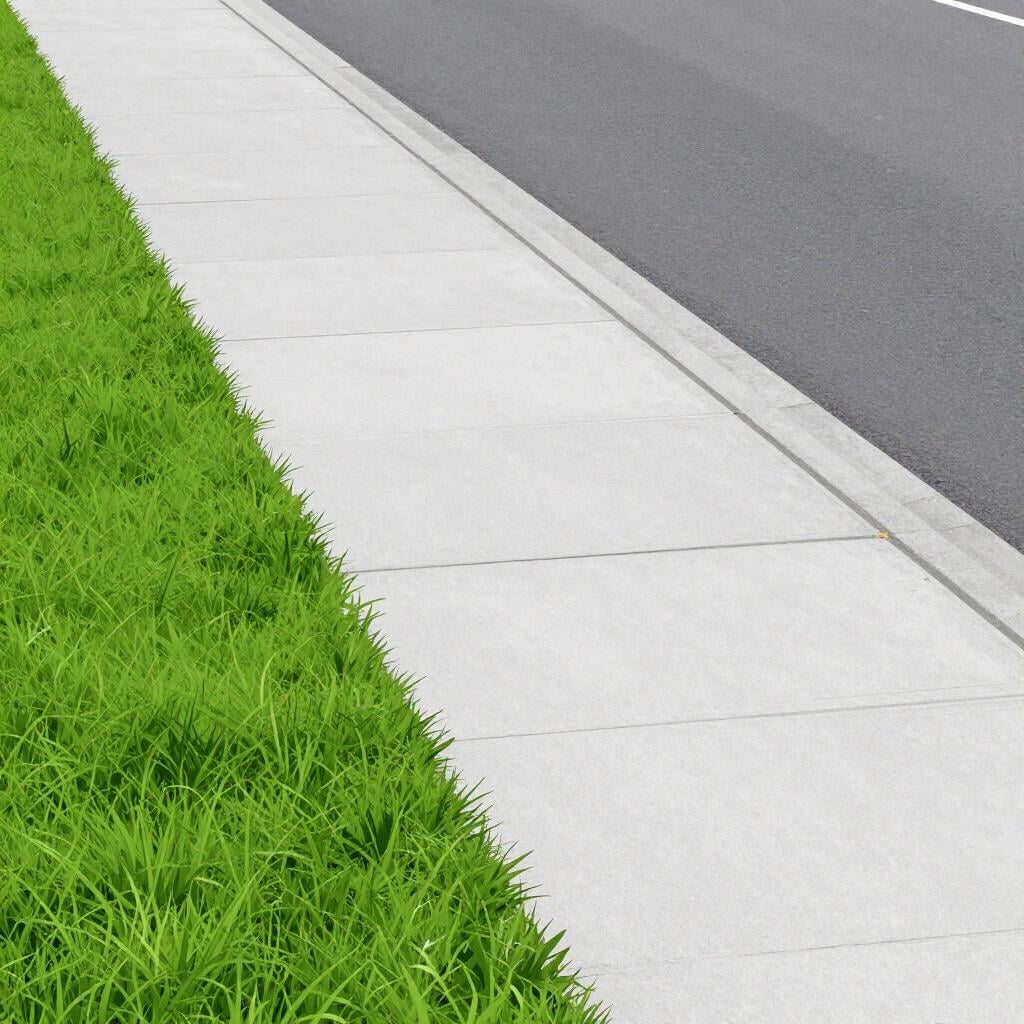
📝 In Action
Camina por la acera para estar seguro.
A1Walk on the sidewalk to stay safe.
Las tiendas de esta acera son muy caras.
A2The shops on this side of the street are very expensive.
El ayuntamiento va a ensanchar las aceras del centro.
B2The city council is going to widen the sidewalks downtown.
✏️ Quick Practice
Quick Quiz: acera
Question 1 of 3
Which word would someone in Mexico most likely use for 'sidewalk'?
📚 More Resources
👥 Word Family▼
📚 Etymology▼
From the Spanish word 'haz' (face or surface), which comes from Latin 'facies'. It originally referred to the front row of houses and eventually the path in front of them.
First recorded: 13th century
Cognates (Related words)
💡 Master Spanish
Take your Spanish to the next level. Read 200+ illustrated and narrated Spanish stories tailored to your level with the Inklingo app!
Frequently Asked Questions
Is 'acera' used for the road where cars drive?
No, 'acera' is strictly for pedestrians. The part where cars drive is called 'la calzada' or 'la calle'.
Can 'acera' refer to the side of the street?
Yes, it can refer to the collection of houses or the specific side of a street, such as 'la acera de enfrente' (the side opposite to you).
Why are there so many words for sidewalk in Spanish?
Spanish is spoken in many countries, and common daily objects like 'sidewalks' or 'buses' often developed distinct local names over time.