actúa
“actúa” means “acts” in Spanish. It has 2 different meanings depending on context:


acts, behaves
Also: functions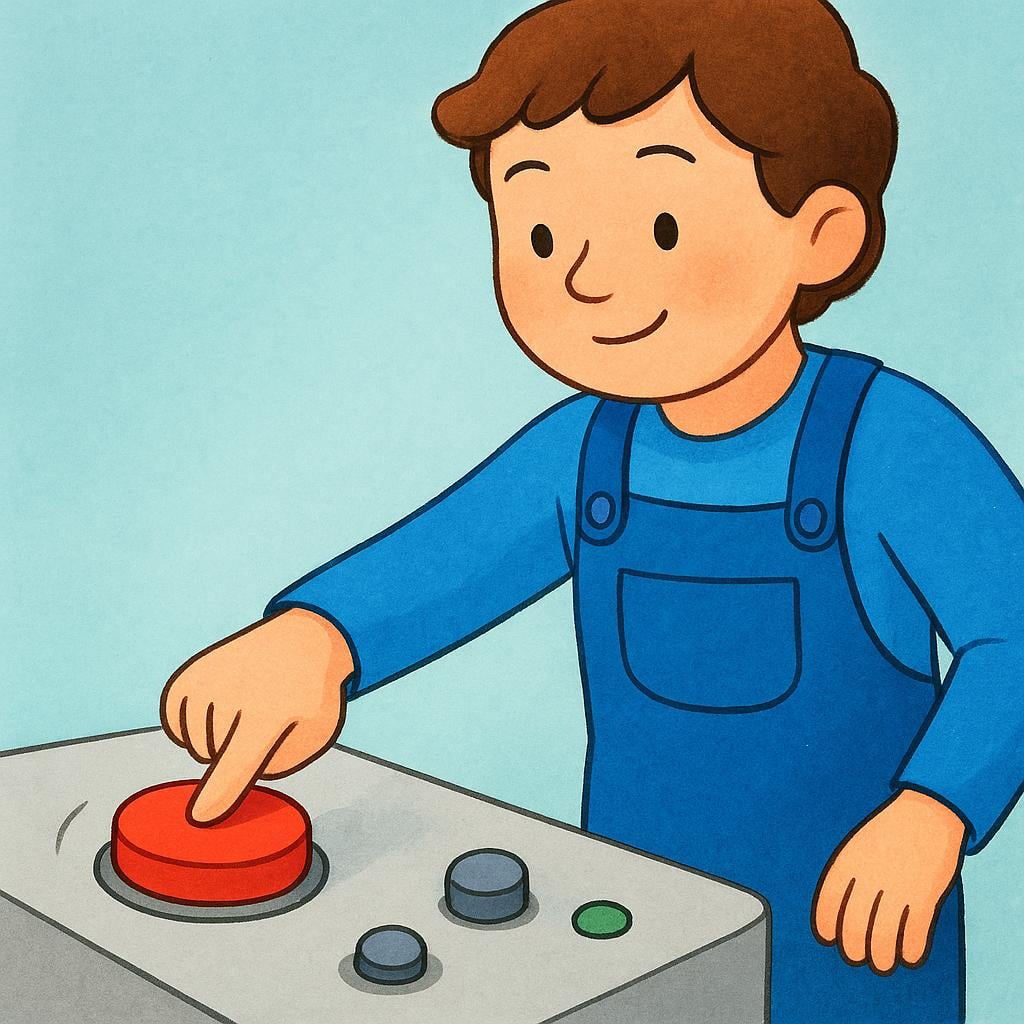
📝 In Action
El presidente actúa con mucha cautela en esta crisis.
B1The president acts with great caution in this crisis.
Mi perro actúa muy raro cuando escucha truenos.
A2My dog behaves very strangely when he hears thunder.
La nueva política actúa como un incentivo para los empleados.
B2The new policy acts as an incentive for the employees.
performs
Also: plays the part
📝 In Action
La actriz actúa en un musical de Broadway esta noche.
B1The actress performs in a Broadway musical tonight.
En la película, él actúa como un detective muy serio.
B1In the movie, he acts (plays the role of) a very serious detective.
Indicative
Present
Imperfect
Preterite
Subjunctive
Present Subjunctive
Imperfect Subjunctive
✏️ Quick Practice
Quick Quiz: actúa
Question 1 of 2
Which sentence uses 'actúa' to mean 'to take action' rather than 'to perform'?
📚 More Resources
👥 Word Family▼
🎵 Rhymes▼
📚 Etymology▼
Comes from the Latin verb *agere* (to do, to drive) through its past participle *actus* (a deed or performance). The Spanish word retains this core meaning of 'doing' or 'performing.'
First recorded: Medieval Latin (as *actuare*)
Cognates (Related words)
💡 Master Spanish
Take your Spanish to the next level. Read 200+ illustrated and narrated Spanish stories tailored to your level with the Inklingo app!
Frequently Asked Questions
Why does 'actúa' have an accent mark when most other '-ar' verbs don't in the present tense?
The accent mark is there to show you how to pronounce the word correctly. It breaks up the vowel combination 'ua' so that each vowel is pronounced separately, putting strong stress on the 'u' (ah-TOO-ah). This is common for Spanish verbs ending in -uar.
How do I know if 'actúa' is a command or a statement?
The context is key. If it's a statement, it will usually be followed by who is acting: 'Él actúa...' (He acts...). If it's a command, it will usually stand alone or be directed right at the person: '¡Actúa ahora!' (Act now!)