detiene
“detiene” means “stops” in Spanish. It has 3 different meanings depending on context:
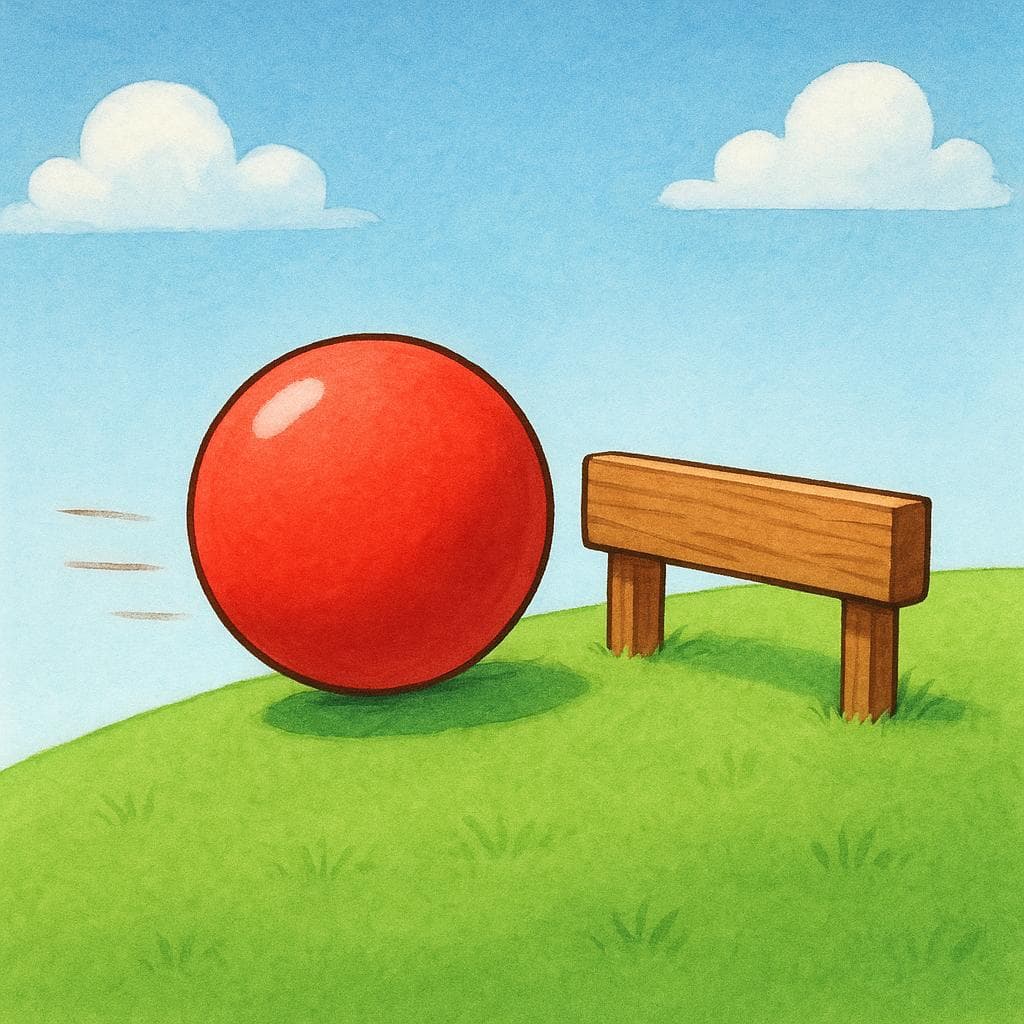


stops, halts
Also: checks
📝 In Action
El conductor detiene el autobús en la parada.
A2The driver stops the bus at the stop.
Ella detiene el tiempo cuando sonríe.
B1She stops time when she smiles. (Figurative)
¿Por qué se detiene el coche de repente?
A2Why does the car suddenly stop itself?
detains, arrests
Also: holds in custody
📝 In Action
La policía detiene al sospechoso cerca de la escena.
B1The police detain the suspect near the scene.
El oficial detiene a la persona por exceso de velocidad.
B1The officer stops/detains the person for speeding.
captures, holds back
Also: occupies
📝 In Action
La obra de arte detiene la mirada de todos los visitantes.
B2The artwork captures the gaze of all the visitors.
Ella detiene su respiración antes de saltar.
C1She holds her breath before jumping.
Indicative
Present
Imperfect
Preterite
Subjunctive
Present Subjunctive
Imperfect Subjunctive
Translate to Spanish
✏️ Quick Practice
Quick Quiz: detiene
Question 1 of 2
Which sentence uses 'detiene' in its legal/formal sense (to detain)?
📚 More Resources
👥 Word Family▼
📚 Etymology▼
From the Latin verb *detinēre*, meaning 'to hold off' or 'to keep back,' formed by combining *de-* (off, away) and *tenēre* (to hold).
First recorded: Medieval Spanish
Cognates (Related words)
💡 Master Spanish
Take your Spanish to the next level. Read 200+ illustrated and narrated Spanish stories tailored to your level with the Inklingo app!
Frequently Asked Questions
What is the difference between 'detiene' and 'para'?
'Para' (from 'parar') is generally the most common and simple way to say 'stops.' 'Detiene' (from 'detener') often implies a more deliberate, formal, or even forced stop, and is also used specifically for detaining people.
How do I say 'it stops itself' using 'detiene'?
You must use the reflexive form: 'se detiene.' For example, 'El motor se detiene' (The engine stops itself).