How to Say "checks" in Spanish
The most common Spanish word for “checks” is “revisa” — use this when you mean 'he/she/you check' in the present tense, often for reviewing something.



revisa
reh-VEE-sahreˈβisa

Examples
El profesor siempre revisa los ensayos cuidadosamente.
The professor always checks the essays carefully.
Usted revisa el contrato antes de firmarlo, ¿verdad?
You review the contract before signing it, right?
¡Revisa tu correo; te envié los detalles!
Check your email; I sent you the details!
Dual Function of 'Revisa'
'Revisa' is used both as a statement ('He/She/You checks') and as an informal command ('Check!'). You figure out which one it is based on the context and punctuation.
Forgetting the 'You' Form
Mistake: “Using 'revisa' only for 'he' or 'she'.”
Correction: 'Revisa' is also the formal 'you' (usted) form: 'Usted revisa el informe' (You review the report).
comprueba
kom-PRWE-bakomˈpɾweβa
Examples
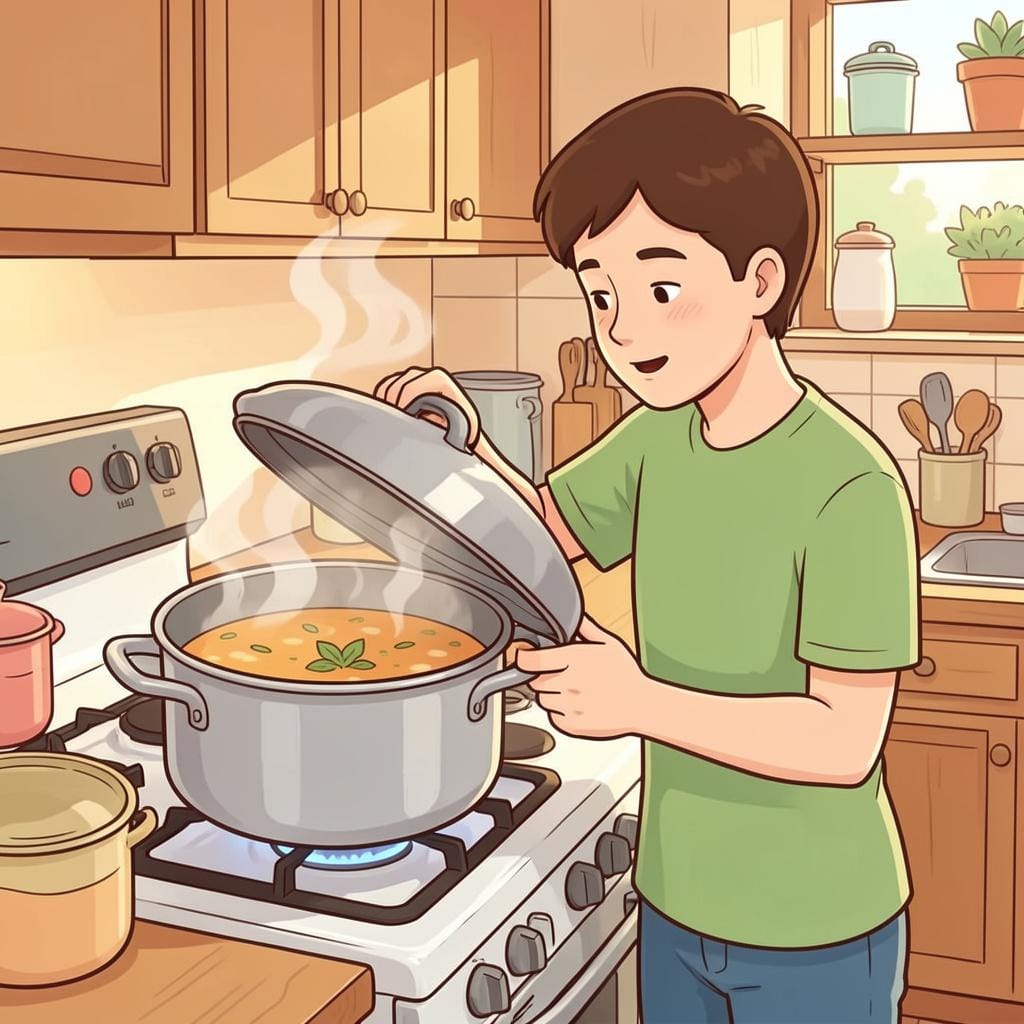
Ella comprueba su correo electrónico cada mañana.
She checks her email every morning.
El mecánico comprueba el motor del coche.
The mechanic checks the car's engine.
The 'O' to 'UE' Change
In the base word 'comprobar,' the 'o' changes to 'ue' whenever the stress falls on that syllable. This is why we say 'comprueba' instead of 'comproba.'
One word, two jobs
'Comprueba' can mean 'he/she checks' but it's also the friendly way to tell someone 'Check it!' as a command.
Don't confuse with 'Probar'
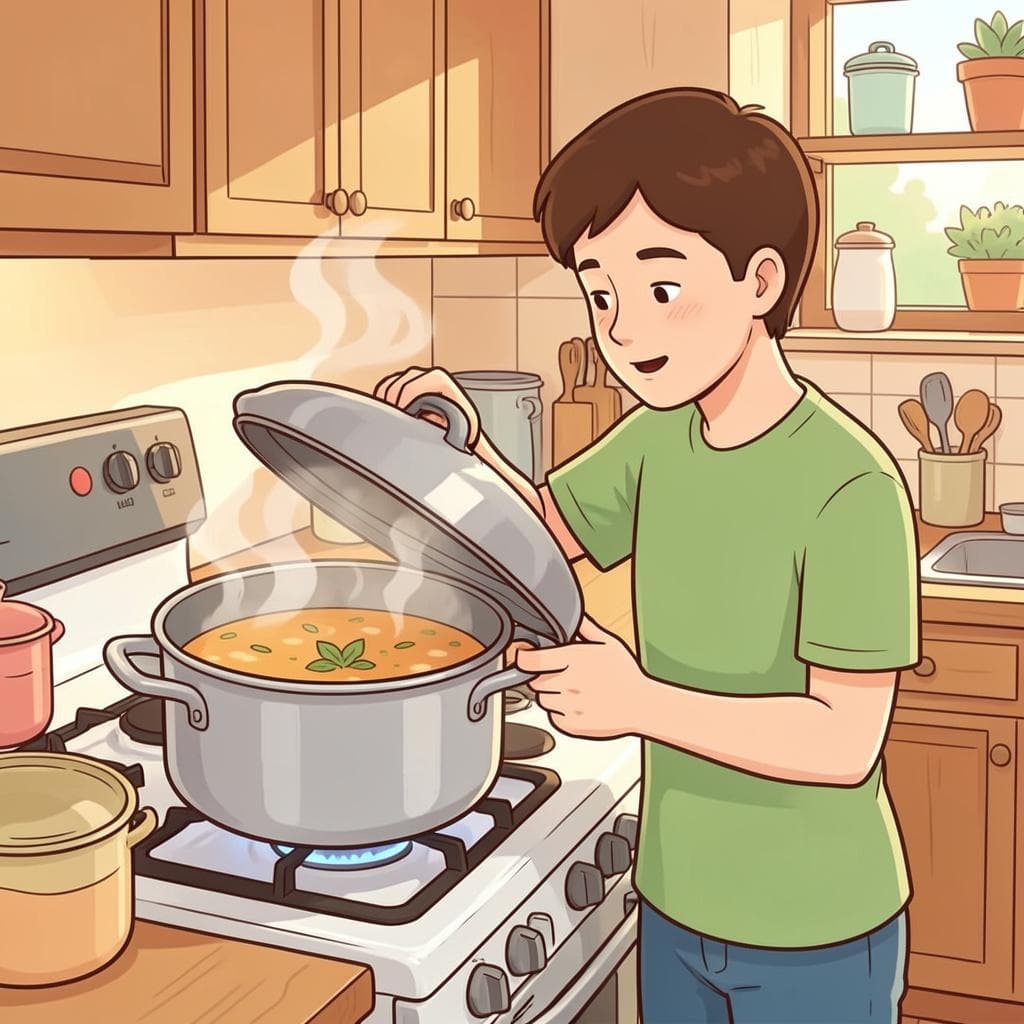
Mistake: “Using 'comprueba' when you want to say 'taste the soup.'”
Correction: Use 'prueba' for tasting or trying on clothes; use 'comprueba' for verifying information or mechanics.
cheques
CHEH-kehsˈtʃe.kes
Examples
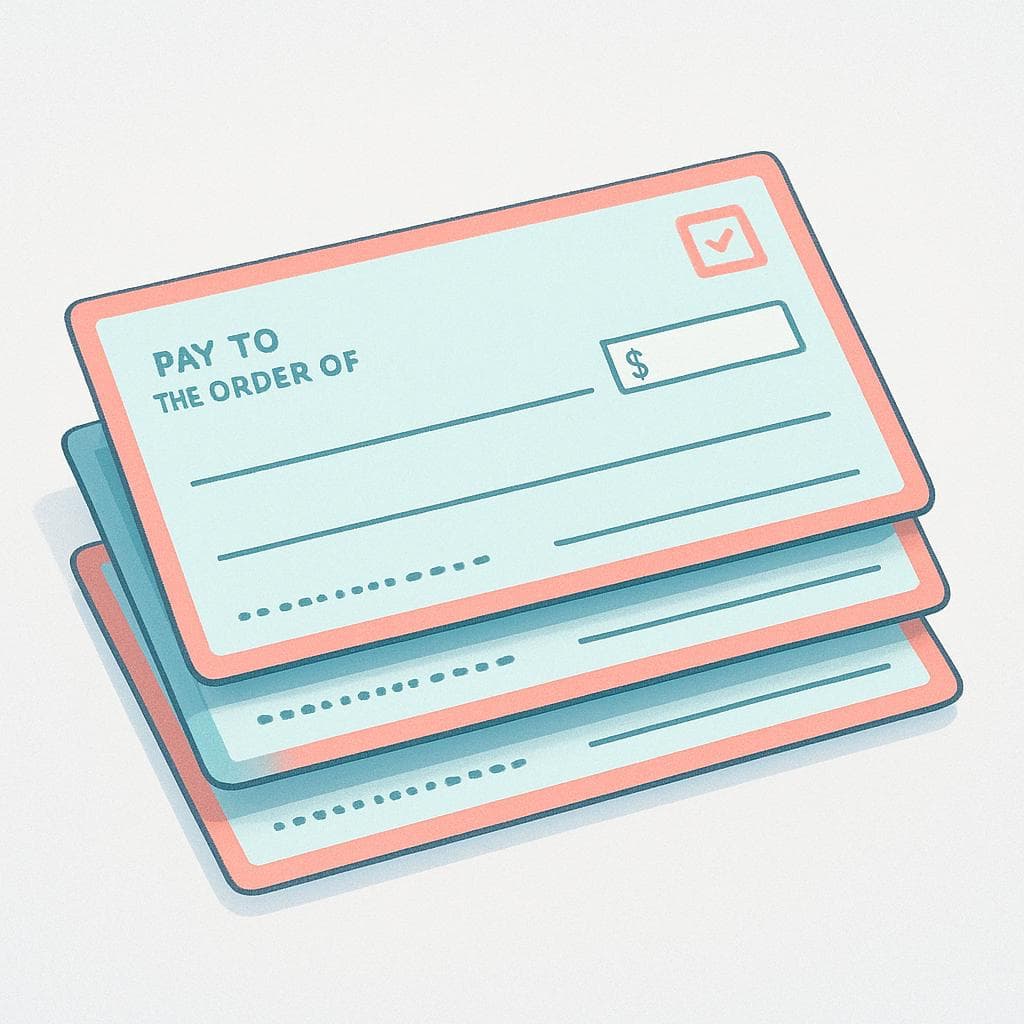
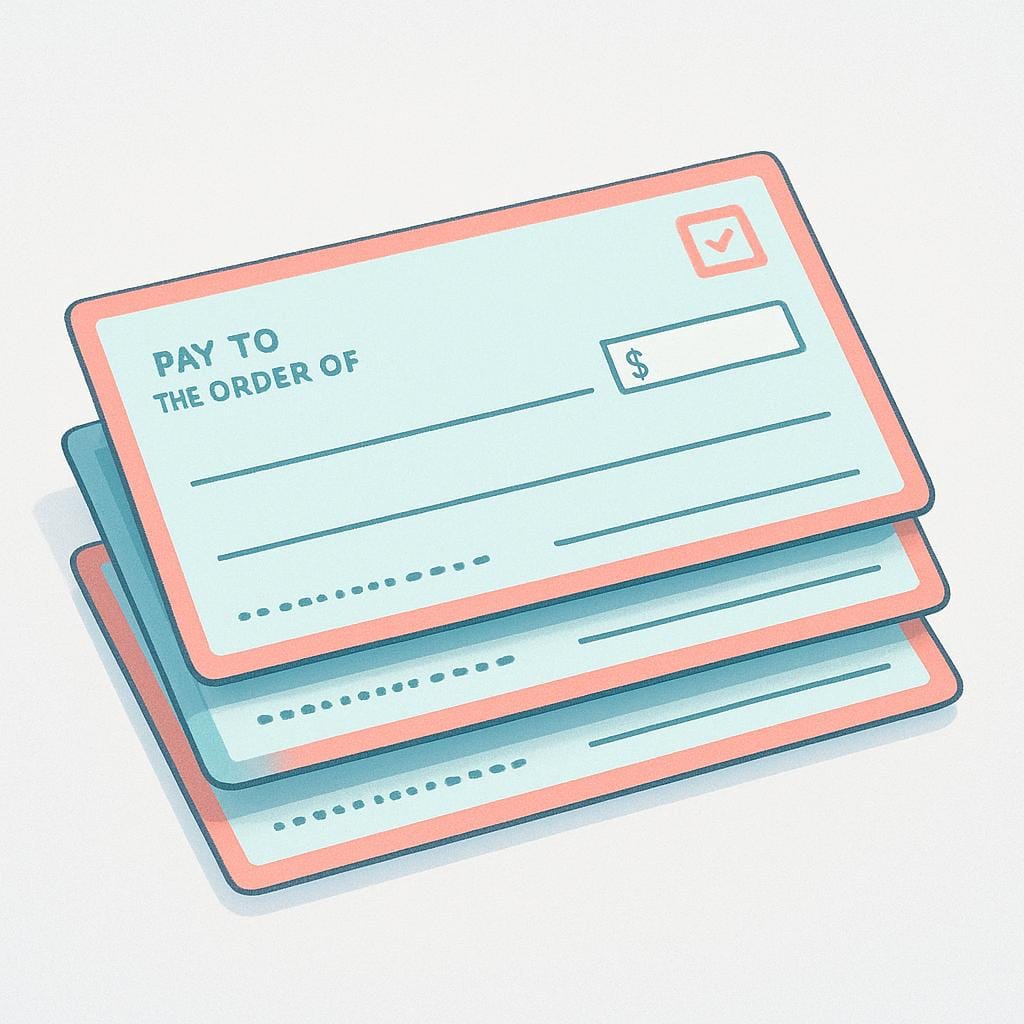
Recibimos cinco cheques de diferentes clientes esta mañana.
We received five checks from different clients this morning.
Necesito firmar todos estos cheques antes de irme.
I need to sign all these checks before I leave.
Masculine Plural
This word is the plural form of 'el cheque.' Since 'cheque' ends in a vowel, you add '-s' to make it plural. Remember, it is a masculine word, so you use 'los cheques'.
Confusing Noun and Verb
Mistake: “Using 'cheque' when you mean 'chequear' (to check/verify).”
Correction: The noun 'cheque' is the paper money instrument. The verb form 'cheques' means 'you check' or 'that you check.'
cuentas
KWEHN-tasˈkwen.tas
Examples
Necesito pagar mis cuentas de luz y agua.
I need to pay my electricity and water bills.
Tengo dos cuentas de banco, una de ahorro y otra corriente.
I have two bank accounts, one savings and one checking.
¡Pide las cuentas! Ya es tarde.
Ask for the check! It's already late.
It's always plural
Even if you only have one bill in front of you, you often talk about 'las cuentas' (the bills) in general.
Confusing 'Cuenta' and 'Historia'
Mistake: “Using 'cuento' or 'cuenta' when referring to a story or narrative.”
Correction: Use 'historia' or 'relato' for stories; 'cuenta' is mostly financial or mathematical.
detiene
de-TYEH-nehdeˈtjene

Examples
El conductor detiene el autobús en la parada.
The driver stops the bus at the stop.
Ella detiene el tiempo cuando sonríe.
She stops time when she smiles. (Figurative)
¿Por qué se detiene el coche de repente?
Why does the car suddenly stop itself?
Irregular Verb Pattern
The verb 'detener' follows the pattern of 'tener' (to have). Notice how the 'yo' form is 'detengo' and the past tense (preterite) is highly irregular ('detuvo').
Confusing Transitive and Reflexive
Mistake: “El tren detiene (The train stops, meaning it stops something else).”
Correction: Use the reflexive form 'se detiene' when the subject is stopping itself: 'El tren se detiene' (The train stops).
cuadros
KWAH-drosˈkwaðɾos

Examples
Me gusta la camisa a cuadros rojos y negros.
I like the red and black plaid shirt.
Dibujamos varios cuadros pequeños en la hoja de papel.
We drew several small squares on the sheet of paper.
Using 'A cuadros'
When describing a pattern, you often use the preposition 'a' before 'cuadros': 'una bufanda a cuadros' (a plaid scarf).
registros
reh-HEES-trosreˈxistros
Examples
Los agentes realizaron varios registros en busca de contrabando.
The agents carried out several searches looking for contraband.
Los registros de seguridad en el aeropuerto suelen ser muy estrictos.
Security inspections at the airport are usually very strict.
Action Noun
In this context, 'registros' describes the action of searching. It is often used with verbs like 'hacer' (to do/make) or 'realizar' (to carry out).
Verb vs. Noun Confusion
Learn Spanish with Inklingo
Interactive stories, personalized learning, and more.