acércate
“acércate” means “Come closer” in Spanish (Used as an informal command to one person (tú).).
Come closer
Also: Move closer, Approach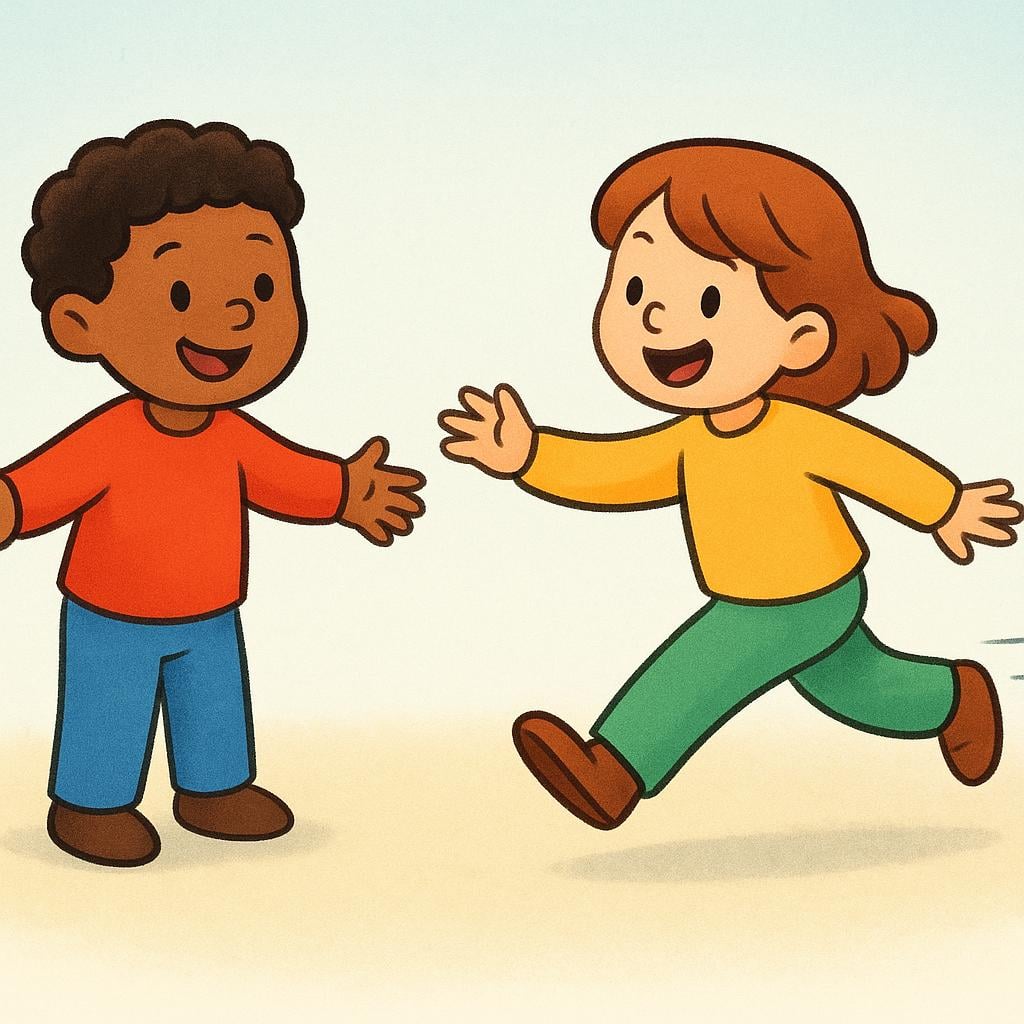
📝 In Action
¡Acércate! Quiero contarte un secreto.
A1Come closer! I want to tell you a secret.
No te oigo bien. Acércate un poco más, por favor.
A2I can't hear you well. Move a bit closer, please.
La guía le dijo al grupo: «Acérquense para ver mejor la pintura».
B1The guide told the group: "Approach (formal plural) to see the painting better."
🔄 Conjugations
indicative
present
imperfect
preterite
subjunctive
present
imperfect
Translate to Spanish
✏️ Quick Practice
Quick Quiz: acércate
Question 1 of 2
If you wanted to tell a group of friends (in Spain) to move closer, which command would you use?
📚 More Resources
👥 Word Family▼
🎵 Rhymes▼
📚 Etymology▼
The word comes from the root 'cerca,' meaning 'near,' which itself originated from the Latin *circa* (around, near). The 'a-' prefix means 'to' or 'toward,' literally creating the meaning 'to move toward near.'
First recorded: Medieval Spanish (as *acercar*).
Cognates (Related words)
💡 Master Spanish
Take your Spanish to the next level. Read 200+ illustrated and narrated Spanish stories tailored to your level with the Inklingo app!
Frequently Asked Questions
Why does 'acércate' have an accent mark?
The accent mark is needed to ensure the word is stressed on the correct syllable (the 'e' in 'cér'). When you attach pronouns to a command, the accent is often required to keep the original sound pattern.
Is 'acércate' informal or formal?
'Acércate' is informal, used when speaking to 'tú' (a friend, family member, or child). If you need to be formal, you should use 'acérquese' (usted command).