Inklingo

adolescente

/ah-doh-leh-SEHN-teh/

teenager

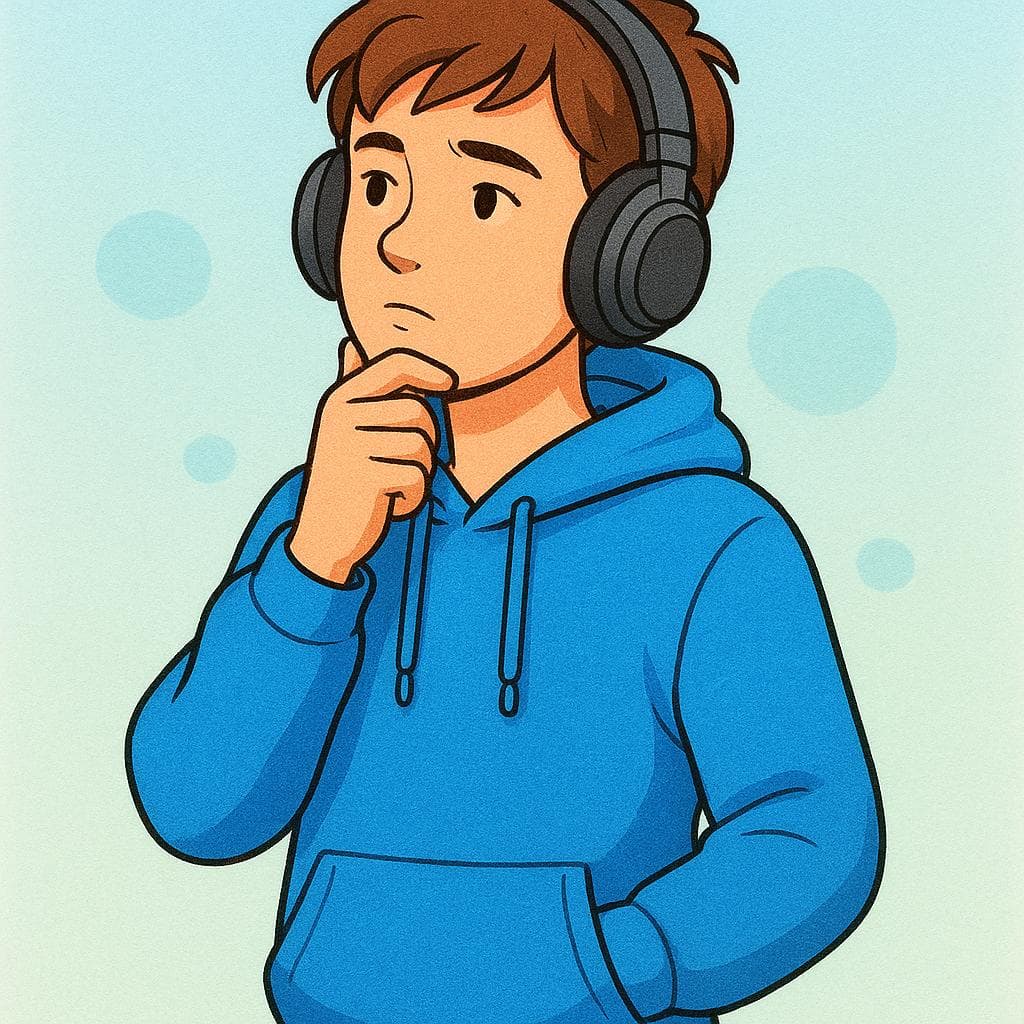
A young person, appearing to be a teenager, wearing a hoodie and headphones, looking contemplative against a simple background.

The noun adolescente means a teenager, referring to a young person between 13 and 19 years old.

adolescente(noun)

m or fA1

teenager

?

A young person between the ages of 13 and 19.

,

adolescent

?

Formal term for a person transitioning from childhood to adulthood.

📝 In Action

Mi hermana mayor es una adolescente muy responsable.

A1

My older sister is a very responsible teenager.

Los adolescentes de hoy pasan mucho tiempo en línea.

A2

Today's adolescents spend a lot of time online.

Conocí a un adolescente que ya sabía programar.

B1

I met a teenager who already knew how to code.

Word Connections

Synonyms

Antonyms

Common Collocations

  • problemas adolescenteteenage problems
  • etapa adolescenteadolescent stage

💡 Grammar Points

Gender Flexibility

This word is the same whether you are talking about a boy or a girl. You change the word before it (the article) to show the gender: 'el adolescente' (the male teenager) or 'la adolescente' (the female teenager).

❌ Common Pitfalls

Confusing Noun and Adjective

Mistake: "Usando 'adolescente' como 'teenaged' (e.g., 'el coche adolescente')."

Correction: When using it as a noun, ensure the article matches the person's gender. When using it as an adjective, it describes the age group: 'los años adolescentes' (the teenage years).

⭐ Usage Tips

Sounding Natural

While 'adolescente' is correct, in many casual settings, people often use 'chico/a' or 'joven' for teenagers, especially when talking about their own children or friends.

A close-up illustration of a bright red skateboard resting against a wall, representing a typical teenage activity or interest.

As an adjective, adolescente describes something relating to the period of adolescence, such as a teenage interest or hobby.

adolescente(adjective)

m or fA2

teenage

?

Relating to the period of adolescence.

,

adolescent

?

Describing characteristics of that age group.

📝 In Action

Es una fase adolescente que pronto pasará.

A2

It is a teenage phase that will soon pass.

Le gusta mucho la música adolescente de los 90.

B1

He really likes 90s teenage music.

Sus preocupaciones adolescentes son muy diferentes a las mías.

B2

His adolescent worries are very different from mine.

Word Connections

Synonyms

  • juvenil (youthful)

Antonyms

Common Collocations

  • literatura adolescenteyoung adult literature
  • comportamiento adolescenteadolescent behavior

💡 Grammar Points

Adjective Agreement

Unlike most Spanish adjectives, 'adolescente' does not change its ending based on whether the noun is masculine or feminine. It only changes when the noun is plural: 'una preocupación adolescente' (singular) vs. 'muchas preocupaciones adolescentes' (plural).

❌ Common Pitfalls

Adding Gender Endings

Mistake: "Decir 'una preocupación adolescenta'."

Correction: The adjective always ends in '-e', regardless of the noun's gender. Only change it to '-es' for plural nouns.

⭐ Usage Tips

Describing Genres

This adjective is perfect for describing media or culture aimed at this age group, such as 'películas adolescentes' (teenage movies).

✏️ Quick Practice

💡 Quick Quiz: adolescente

Question 1 of 2

Which sentence correctly uses 'adolescente' as a noun referring to a girl?

📚 More Resources

Word Family

Frequently Asked Questions

Is 'adolescente' used for both boys and girls?

Yes, absolutely. 'Adolescente' is a neutral word. You use 'el' (for a boy) or 'la' (for a girl) to show the gender, but the word 'adolescente' itself stays the same.

What is the difference between 'adolescente' and 'joven'?

'Adolescente' specifically refers to the teenage years (roughly 13-19). 'Joven' is a broader term that means 'young person' and can include anyone from a teenager up to their late twenties or even early thirties.