algodón
“algodón” means “cotton” in Spanish. It has 2 different meanings depending on context:
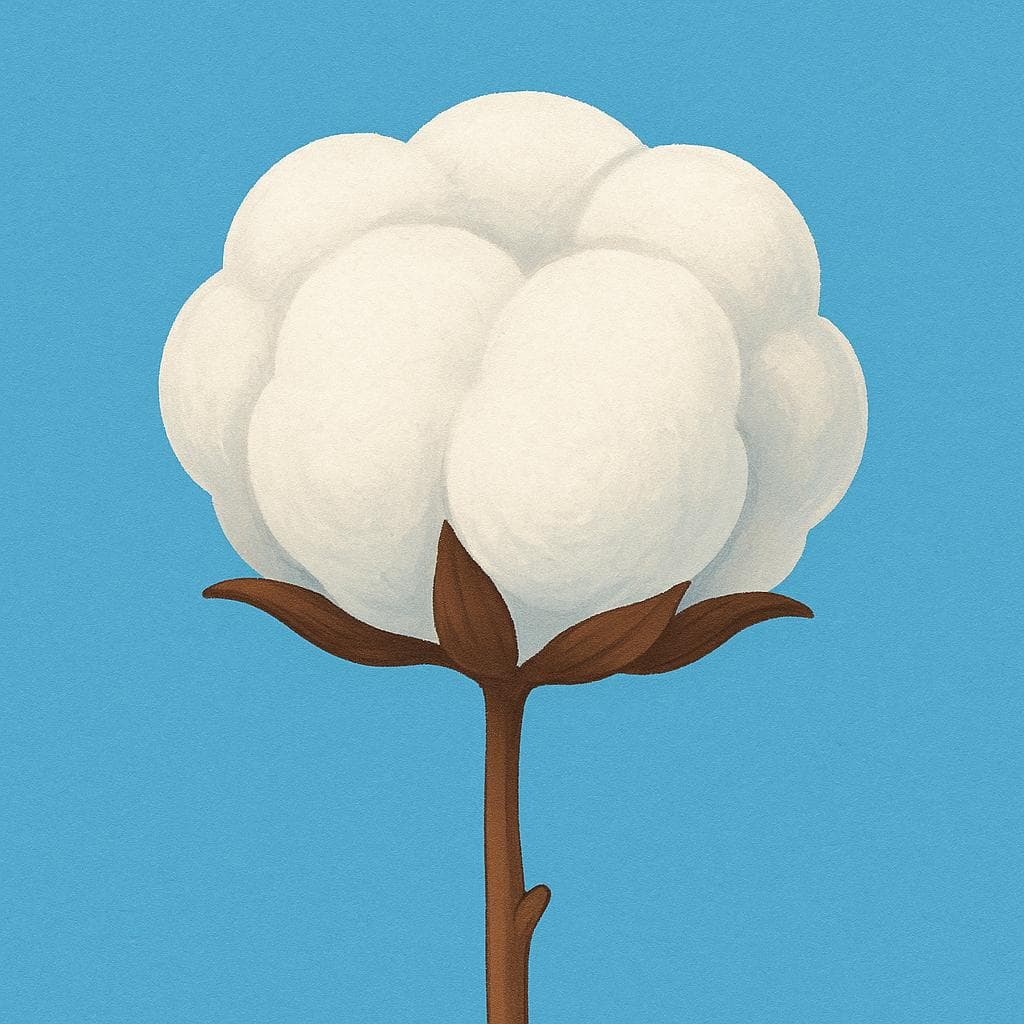

cotton
Also: cotton plant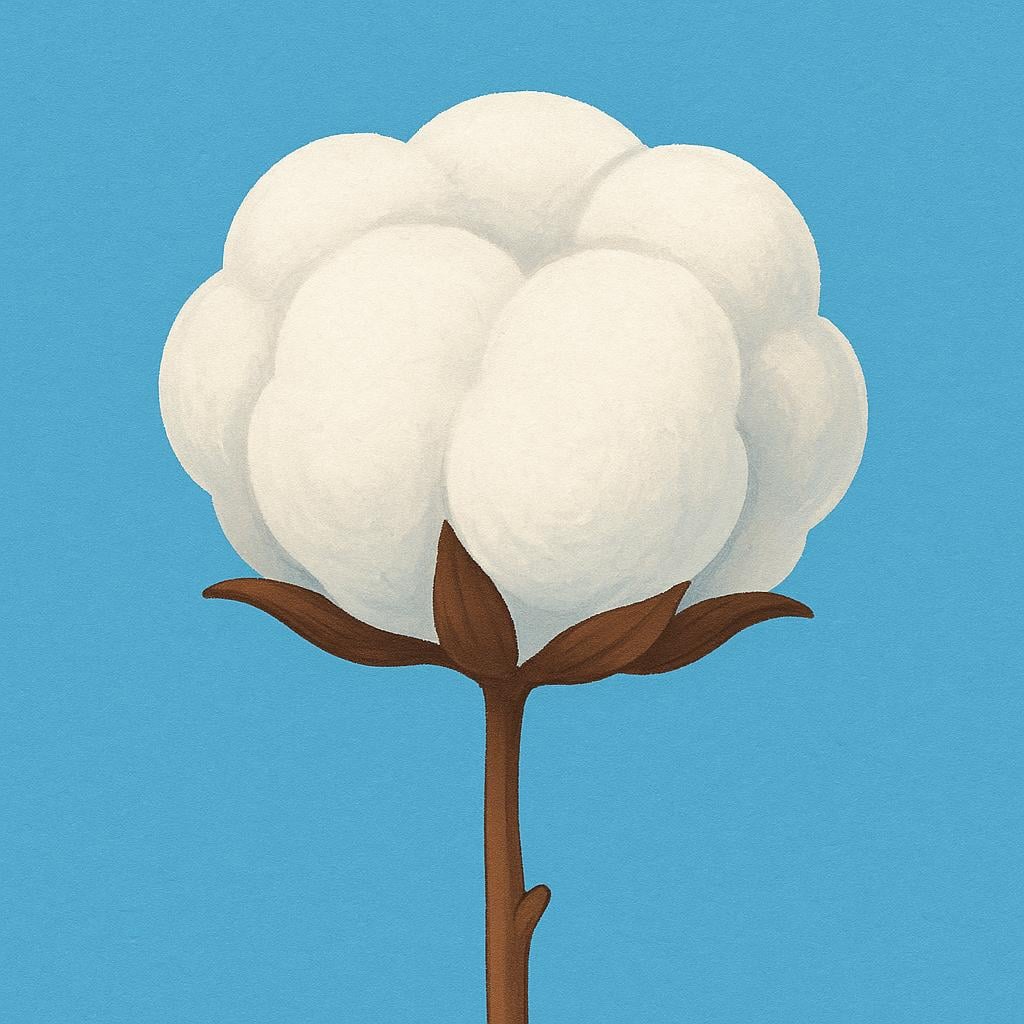
📝 In Action
Esta camiseta es muy cómoda porque es de algodón.
A1This t-shirt is very comfortable because it is made of cotton.
El algodón es una de las fibras naturales más suaves.
A2Cotton is one of the softest natural fibers.
cotton wool, cotton ball
Also: candy floss
📝 In Action
Usé un poco de algodón y alcohol para desinfectar el corte.
A2I used a little cotton wool and alcohol to disinfect the cut.
Los niños pidieron algodón de azúcar en la feria.
A2The children asked for cotton candy at the fair.
Translate to Spanish
Words that translate to "algodón" in Spanish:
candy floss→cotton→cotton ball→cotton plant→cotton wool→✏️ Quick Practice
Quick Quiz: algodón
Question 1 of 1
Which phrase correctly uses 'algodón' to describe a sweet treat?
📚 More Resources
👥 Word Family▼
🎵 Rhymes▼
📚 Etymology▼
This word comes from Arabic *al-quṭn*, meaning 'the cotton.' Many Spanish words starting with 'al-' (like *almohada* or *alfombra*) were adopted from Arabic during the centuries of Moorish influence in Spain.
First recorded: 13th century
Cognates (Related words)
💡 Master Spanish
Take your Spanish to the next level. Read 200+ illustrated and narrated Spanish stories tailored to your level with the Inklingo app!
Frequently Asked Questions
Why does 'algodón' start with 'al-'?
'Al-' is a remnant of the Arabic definite article, meaning 'the.' When Spanish speakers borrowed the word from Arabic, they kept 'al-' as part of the word itself, a common pattern in Spanish vocabulary.