allá
“allá” means “over there (far away)” in Spanish. It has 2 different meanings depending on context:
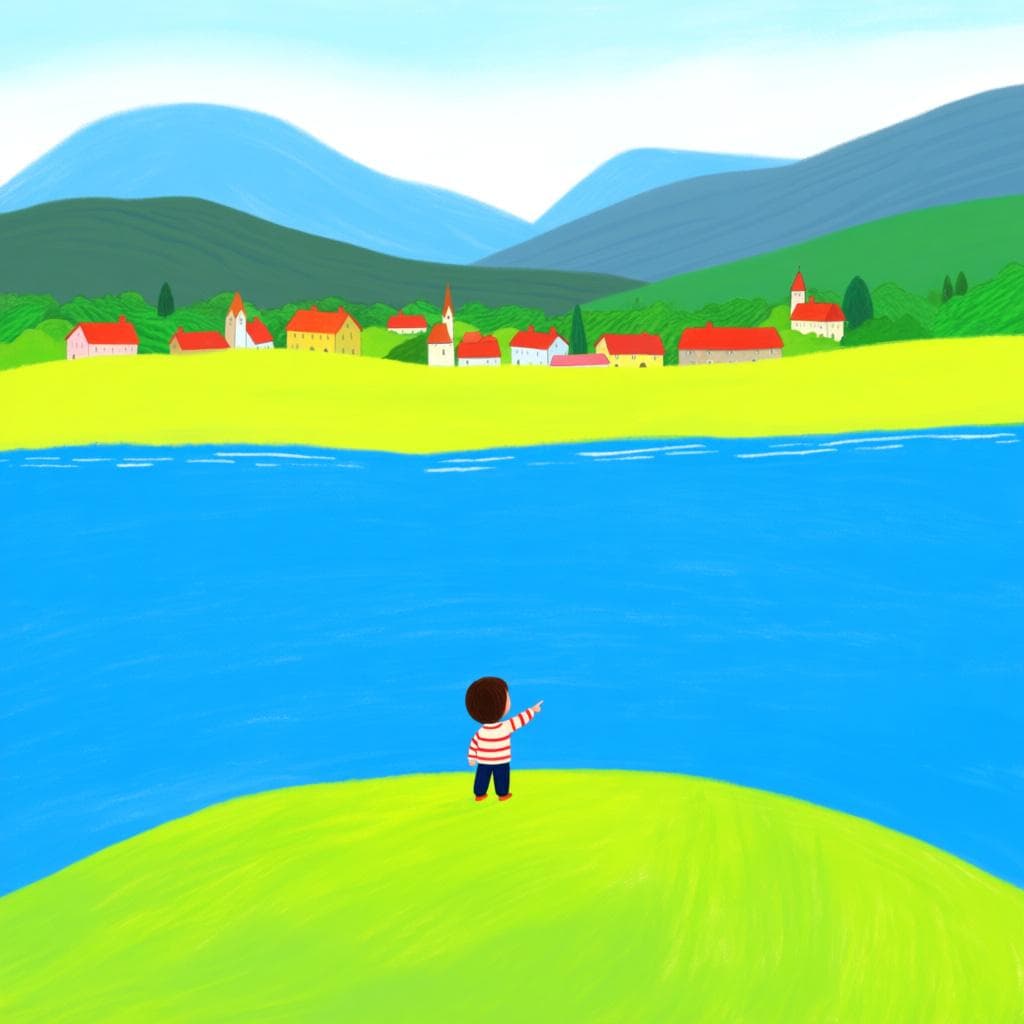

over there (far away)Also: yonder, beyond
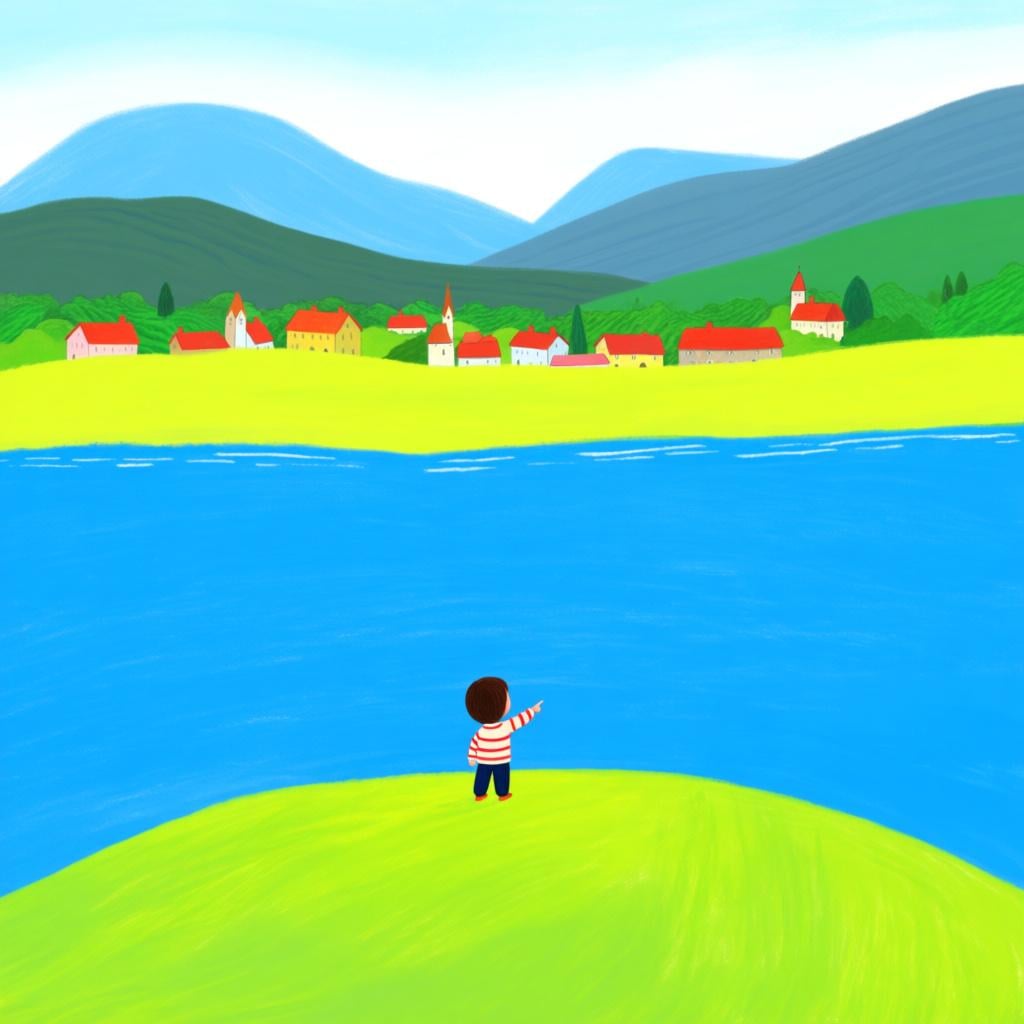
📝 In Action
Mi abuela vive allá en México.
A2My grandmother lives over there in Mexico.
¿Ves esa montaña allá a lo lejos? Algún día la escalaremos.
B1Do you see that mountain way over there in the distance? One day we'll climb it.
La felicidad está más allá de las posesiones materiales.
B2Happiness is beyond material possessions.
Word Connections
way backAlso: back then

📝 In Action
Allá por los años 80, la música era muy diferente.
B2Way back in the 80s, music was very different.
Recuerdo mi infancia, allá en el pueblo, cuando jugábamos en la calle todo el día.
B2I remember my childhood, back then in the village, when we played in the street all day.
Word Connections
🔀 Commonly Confused With
Translate to Spanish
Words that translate to "allá" in Spanish:
✏️ Quick Practice
Quick Quiz: allá
Question 1 of 1
Your friend is telling you about her family who lives in Japan, on the other side of the world. Which sentence is the most natural way for her to say it?
📚 More Resources
📚 Etymology
Comes from the Latin phrase 'illāc parte', which meant 'on that side' or 'that way'. Over time, it shortened to just 'allá' to mean 'over there'.
First recorded: Around the 12th century
Cognates (Related words)
💡 Master Spanish
Take your Spanish to the next level. Read 200+ illustrated and narrated Spanish stories tailored to your level with the Inklingo app!
Frequently Asked Questions
What is the real difference between 'allí' and 'allá'?
It's all about distance! Think of 'allí' as 'over there'—a specific spot that's far away, but you can probably point to it. Think 'allá' as 'WAY over there'—a much more distant, sometimes vague place that might even be out of sight or in another country. If you're talking about another continent, always use 'allá'.
Can 'allá' move? For example, in 'vamos para allá'?
Yes, absolutely! While 'allá' by itself describes a static, faraway location, when you pair it with a verb of motion like 'ir' (to go), it means 'to there' or 'that way'. 'Vamos para allá' means 'Let's go over there'.