aléjense
“aléjense” means “get away” in Spanish (telling a group of people to move to a distance).
get away, move back
Also: stay away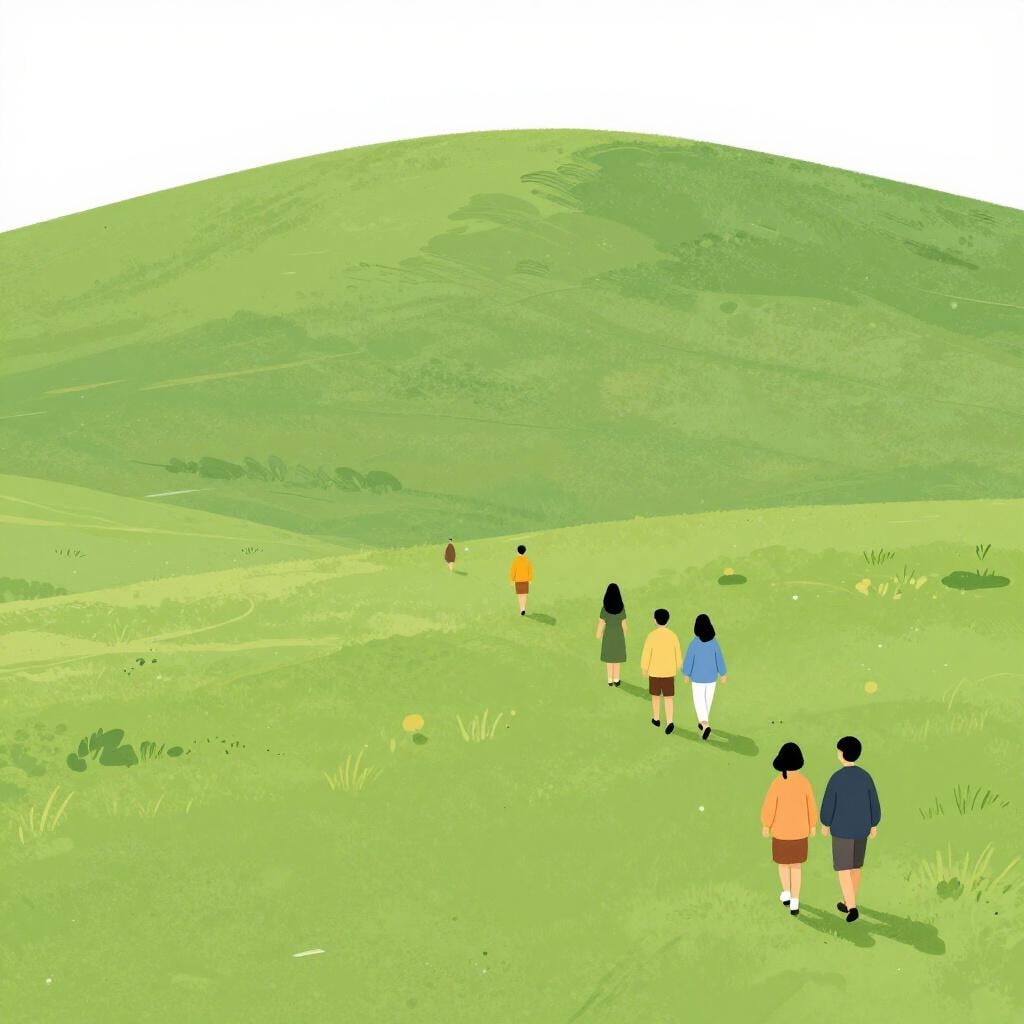
📝 In Action
¡Aléjense de las vías del tren!
A2Get away from the train tracks!
Por favor, aléjense para que los paramédicos puedan trabajar.
B1Please, move back so the paramedics can work.
Aléjense de los problemas si quieren tener una vida tranquila.
B1Stay away from trouble if you want to have a peaceful life.
🔄 Conjugations
subjunctive
imperfect
present
indicative
preterite
imperfect
present
Translate to Spanish
Words that translate to "aléjense" in Spanish:
stay away→✏️ Quick Practice
Quick Quiz: aléjense
Question 1 of 2
Which form would you use to tell a single person you know well to 'get away'?
📚 More Resources
👥 Word Family▼
🎵 Rhymes▼
📚 Etymology▼
From the Spanish word 'lejos' (far), which comes from the Latin 'laxus' (wide or loose). The verb 'alejar' literally means 'to make far'.
First recorded: 13th century (base verb 'alejar')
Cognates (Related words)
💡 Master Spanish
Take your Spanish to the next level. Read 200+ illustrated and narrated Spanish stories tailored to your level with the Inklingo app!
Frequently Asked Questions
Why is there an accent on the 'e'?
When you attach pronouns like 'se' to the end of a verb, it changes the word's length. We add an accent mark to ensure the stress stays on the same syllable it had before the 'se' was added.
Can I use 'aléjense' to mean 'they get away'?
No. To say 'they get away' (a statement, not a command), you would say 'se alejan'. 'Aléjense' is specifically a command telling people to move.