aquí
“aquí” means “here” in Spanish. It has 2 different meanings depending on context:
hereAlso: in this place
📝 In Action
El libro está aquí, sobre la mesa.
A1The book is here, on the table.
¿Vives aquí?
A1Do you live here?
Ven aquí, por favor.
A1Come here, please.
Word Connections
at this pointAlso: now
📝 In Action
Y aquí es donde la historia se pone interesante.
B1And this is where the story gets interesting.
No estoy de acuerdo. Es aquí donde te equivocas.
B2I don't agree. This is where you're mistaken.
Hasta aquí, todo bien.
B1Up to this point, everything is fine.
Word Connections
🔀 Commonly Confused With
✏️ Quick Practice
Quick Quiz: aquí
Question 1 of 2
Which sentence uses 'aquí' to refer to a point in a story, not a physical place?
📚 More Resources
🎵 Rhymes
📚 Etymology
Comes from the Latin phrase 'ecce hic', which meant something like 'look, here!' or 'behold, this spot!'. Over time, it was shortened and simplified into the word we use today.
First recorded: Around the 10th century
Cognates (Related words)
💡 Master Spanish
Take your Spanish to the next level. Read 200+ illustrated and narrated Spanish stories tailored to your level with the Inklingo app!
Frequently Asked Questions
What's the real difference between 'aquí' and 'acá'?
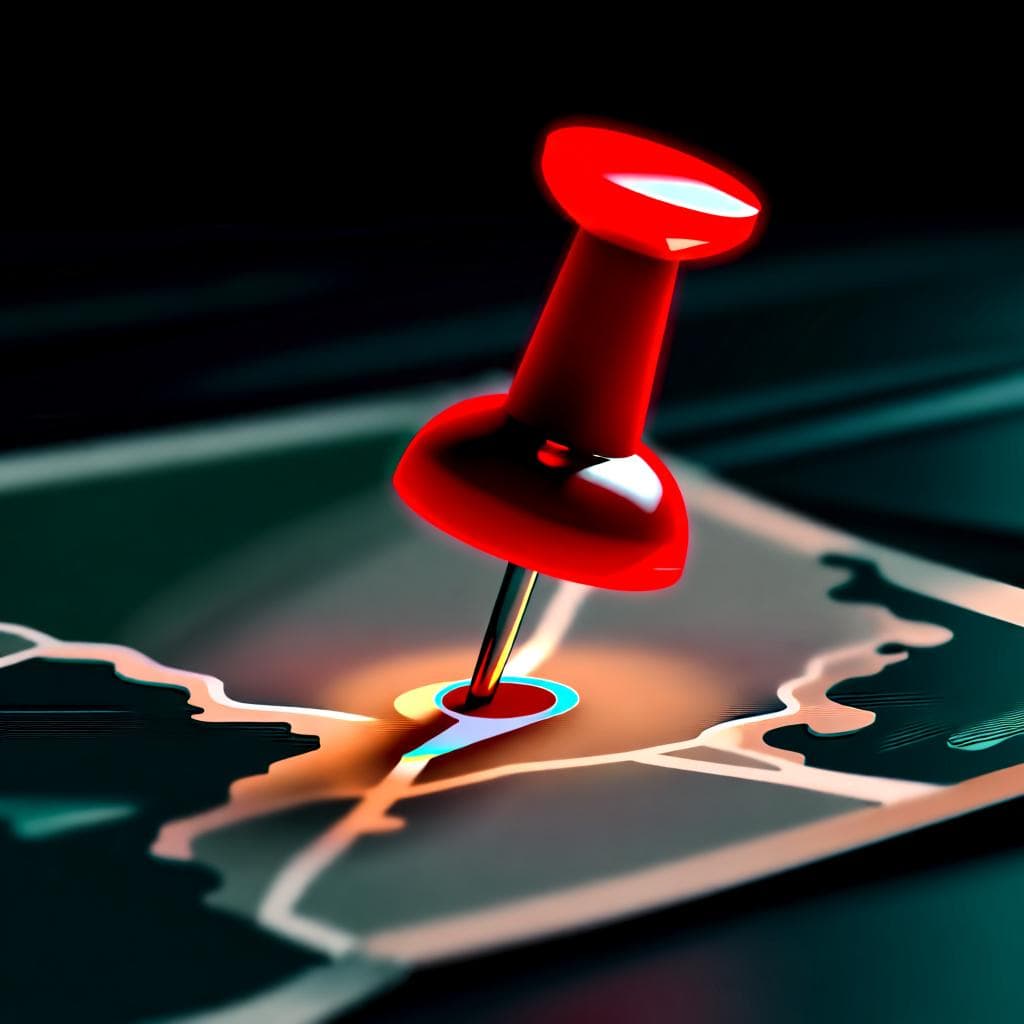
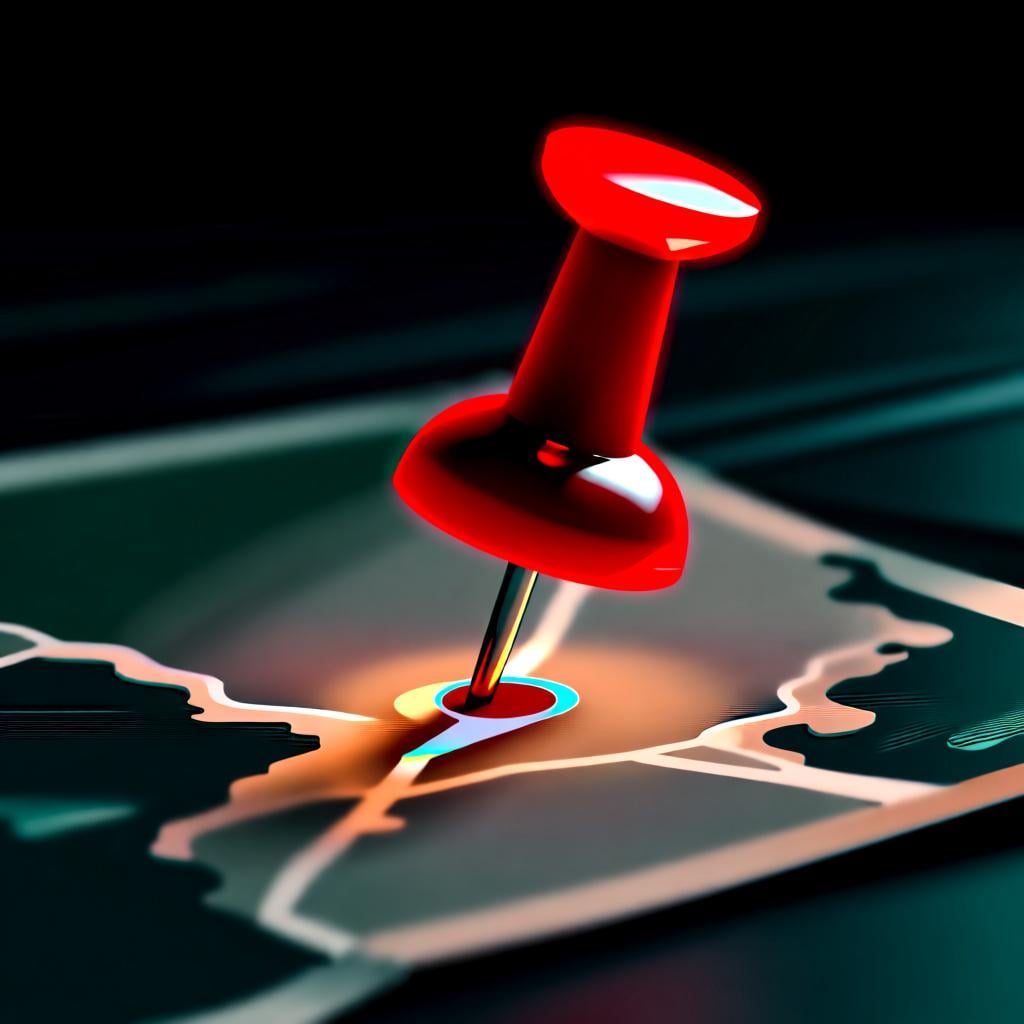
Think of it like this: 'aquí' is like dropping a pin on a map—it's a very specific 'here'. 'Acá' is like drawing a small circle around that pin—it means 'around here' or 'over here'. In many Latin American countries, they are used almost interchangeably, but in Spain, the difference is more noticeable. When you're a beginner, you can't go wrong using 'aquí'.
How do I remember 'aquí', 'ahí', and 'allí'?
A simple trick is to look at the letters. 'Aquí' (here) is closest to you. 'Ahí' (there, not too far) is a little farther. 'Allí' (way over there) is the farthest. You can also think: 'aquí' has an 'i' like 'I' am here. 'Allí' starts with 'a' like 'a'll the way over there.