ardilla
“ardilla” means “squirrel” in Spanish. It has 2 different meanings depending on context:
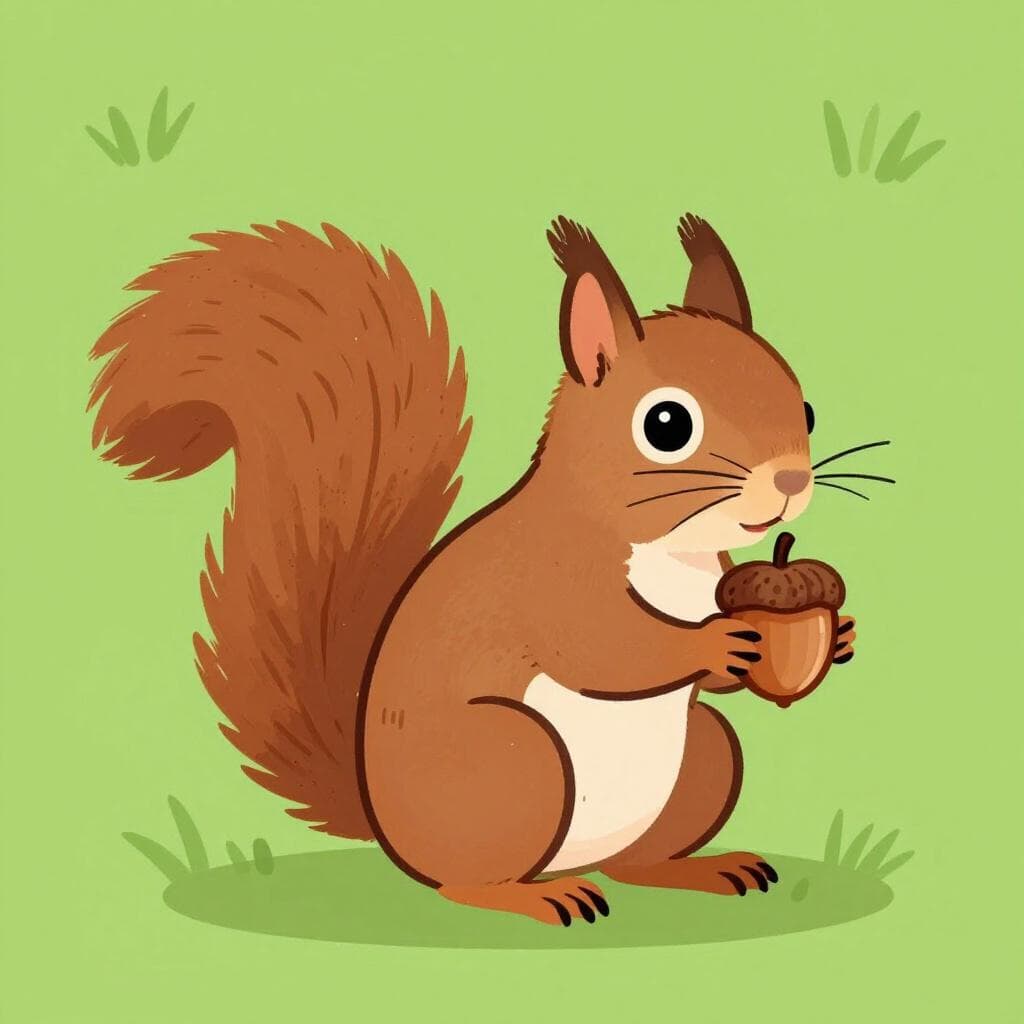

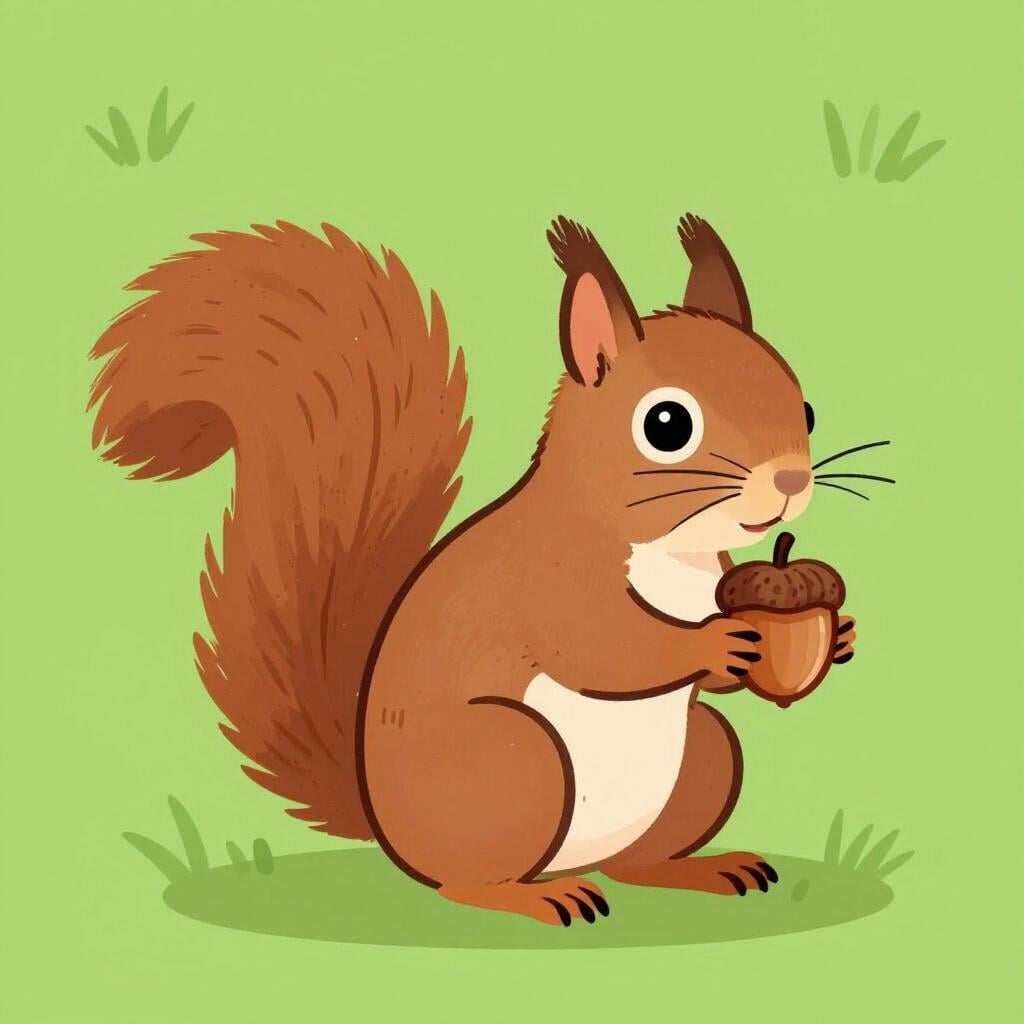
squirrelAlso: chipmunk
📝 In Action
Vi una ardilla saltando entre los árboles del parque.
A1I saw a squirrel jumping between the trees in the park.
Las ardillas guardan nueces para el invierno.
A2Squirrels store nuts for the winter.
Esa ardilla tiene la cola muy larga y gris.
A1That squirrel has a very long, gray tail.
Word Connections
busy beeAlso: whiz

📝 In Action
Tu sobrino es una ardilla; no para quieto ni un segundo.
B2Your nephew is a busy bee; he doesn't stay still for a second.
Word Connections
Vocabulary Collections
Translate to Spanish
✏️ Quick Practice
Quick Quiz: ardilla
Question 1 of 2
If you see a male squirrel, how should you refer to it?
📚 More Resources
👥 Word Family
📚 Etymology
From the Hispano-Arabic word 'arda' (squirrel), combined with the Spanish small-version ending '-illa'.
First recorded: 13th century
Cognates (Related words)
💡 Master Spanish
Take your Spanish to the next level. Read 200+ illustrated and narrated Spanish stories tailored to your level with the Inklingo app!
Frequently Asked Questions
Is 'ardilla' used for both squirrels and chipmunks?
While 'ardilla' technically means squirrel, many people use it generally for any small, bushy-tailed rodent. For a specific chipmunk, you would use 'ardilla listada' (striped squirrel).
Why is it 'la ardilla' even if the animal is a boy?
In Spanish, some animals have only one gender for the word itself. This is similar to how we say 'the person' in English for both men and women. To specify, you just add the word for male (macho) or female (hembra).