asegurarte
“asegurarte” means “to make sure” in Spanish (checking if something is true or done).
to make sure
Also: to ensure, to insure yourself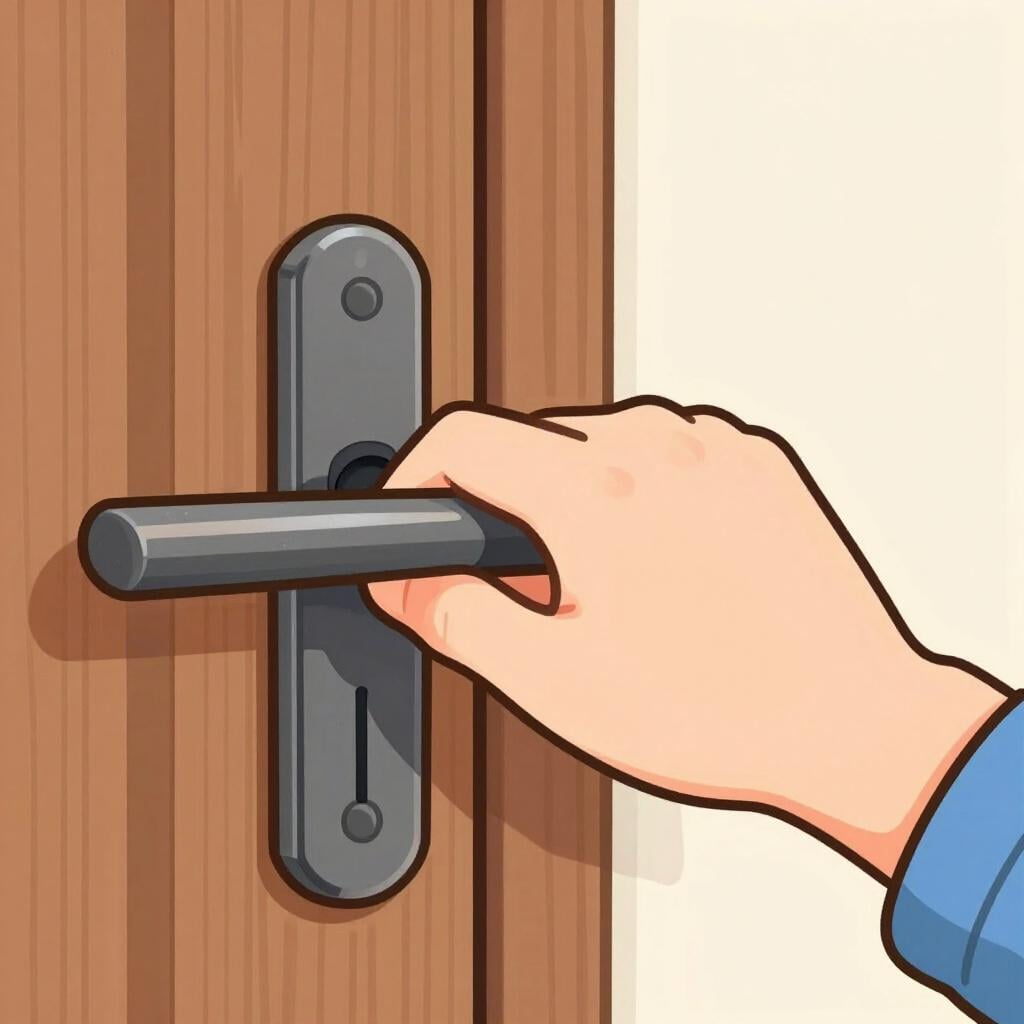
📝 In Action
Tienes que asegurarte de que la puerta esté cerrada.
A2You have to make sure that the door is closed.
Antes de salir, debes asegurarte de llevar las llaves.
A2Before leaving, you should make sure to take the keys.
Es importante asegurarte con un buen arnés antes de escalar.
B1It is important to secure yourself with a good harness before climbing.
Subjunctive
Imperfect Subjunctive
Present Subjunctive
Indicative
Preterite
Imperfect
Present
Translate to Spanish
Words that translate to "asegurarte" in Spanish:
to ensure→✏️ Quick Practice
Quick Quiz: asegurarte
Question 1 of 1
Which of these is the correct way to say 'Make sure that you have money'?
📚 More Resources
👥 Word Family▼
📚 Etymology▼
From the Spanish verb 'asegurar' combined with the pronoun 'te'. 'Asegurar' comes from the Latin 'ad-' (to) and 'securus' (free from care or safe).
First recorded: 13th century (base verb)
Cognates (Related words)
💡 Master Spanish
Take your Spanish to the next level. Read 200+ illustrated and narrated Spanish stories tailored to your level with the Inklingo app!
Frequently Asked Questions
Why is the 'te' at the end instead of the beginning?
In Spanish, when an action word is in its base form (the infinitive ending in -ar, -er, or -ir), small pronouns like 'te' get glued to the end of the word.
Is it 'asegurarte' or 'asegurarse'?
Use 'asegurarte' when talking directly to someone ('to make *yourself* sure'). Use 'asegurarse' for a general statement or when talking about someone else ('to make *themselves* sure').