atacó
“atacó” means “attacked” in Spanish. It has 3 different meanings depending on context:
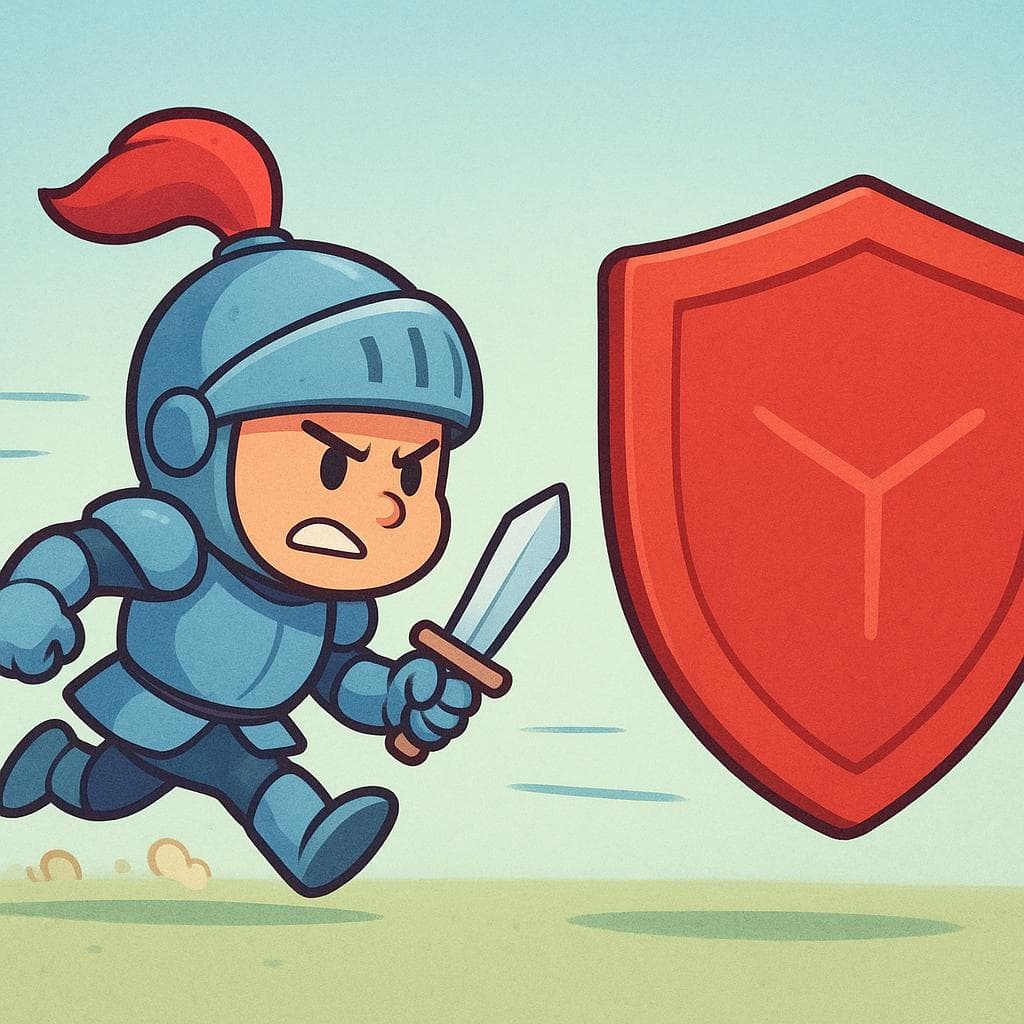
attacked, assaulted
Also: charged
📝 In Action
El perro atacó al cartero sin razón.
A2The dog attacked the mail carrier for no reason.
El ejército enemigo atacó la ciudad al amanecer.
B1The enemy army attacked the city at dawn.
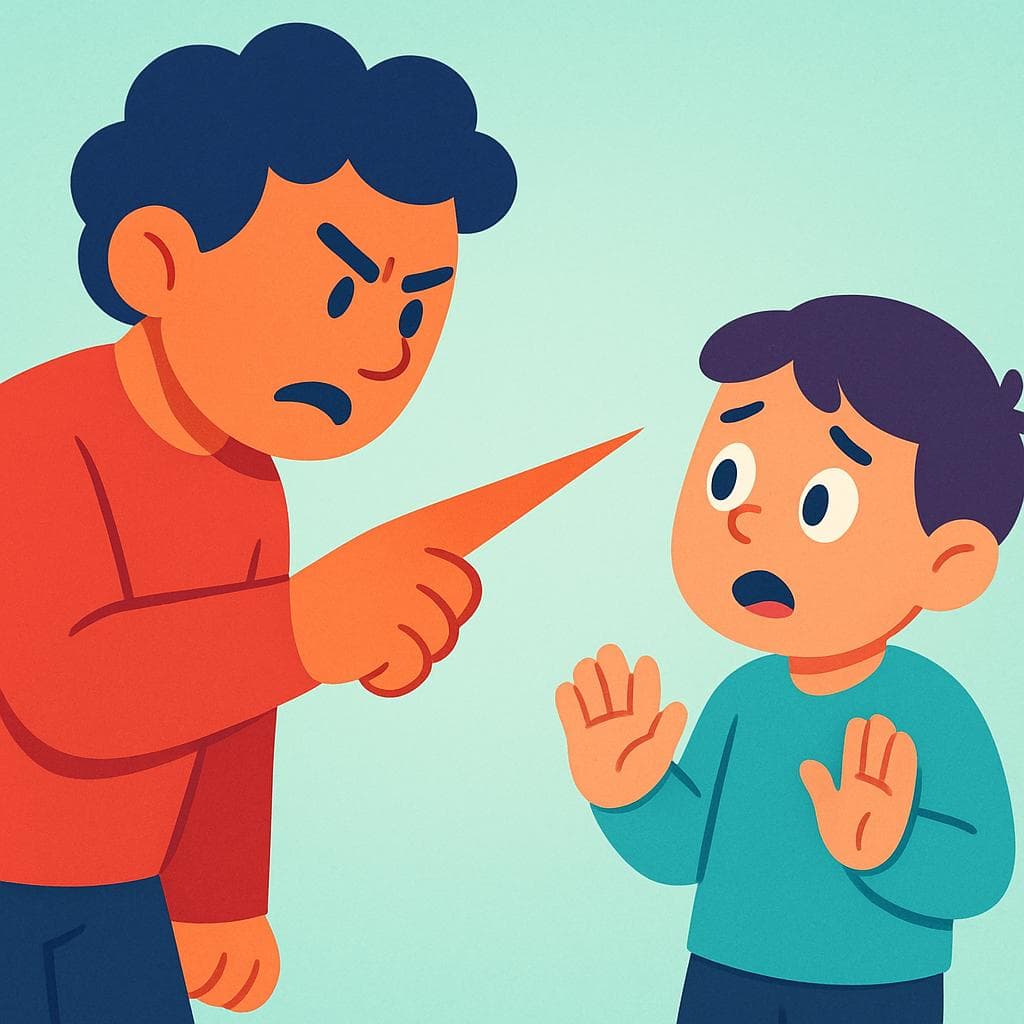
criticized
Also: lashed out
📝 In Action
El político atacó la propuesta de su rival en el debate.
B1The politician attacked his rival's proposal in the debate.
Ella atacó su argumento con datos irrefutables.
B2She attacked his argument with irrefutable data.
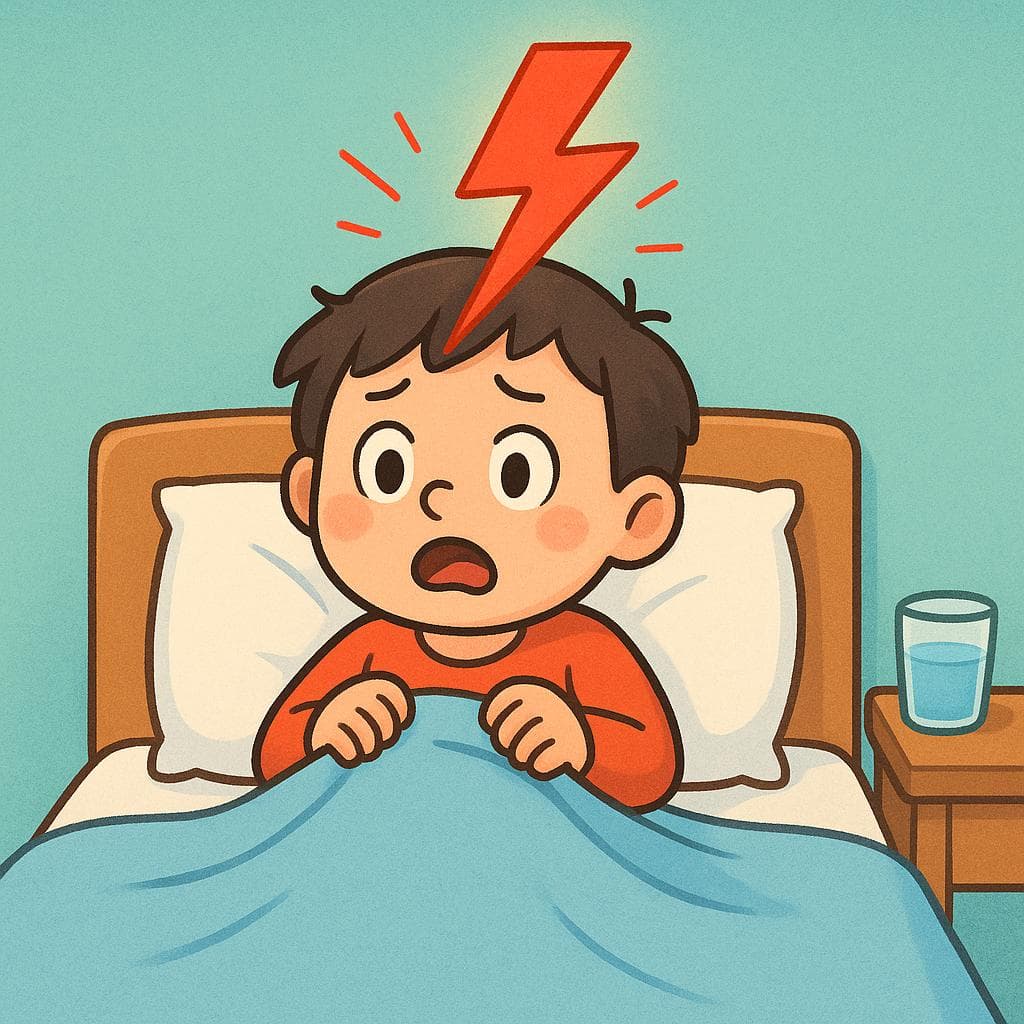
struck, came on suddenly
Also: hit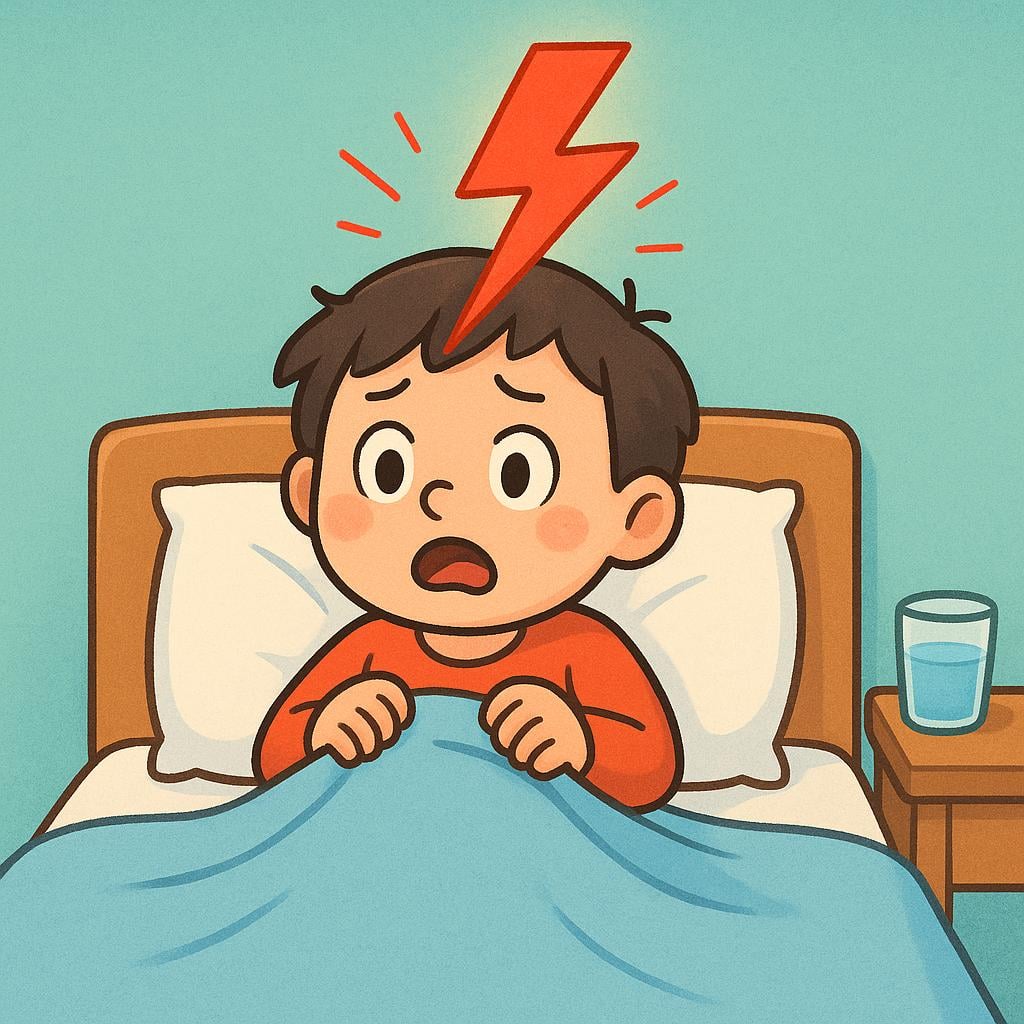
📝 In Action
La gripe lo atacó justo antes de las vacaciones.
B2The flu struck him right before vacation.
Un dolor agudo me atacó el estómago de repente.
C1A sharp pain suddenly hit my stomach.
Indicative
Present
Imperfect
Preterite
Subjunctive
Present Subjunctive
Imperfect Subjunctive
Translate to Spanish
✏️ Quick Practice
Quick Quiz: atacó
Question 1 of 2
Which sentence uses 'atacó' in the figurative sense of sudden illness?
📚 More Resources
👥 Word Family▼
📚 Etymology▼
The verb 'atacar' comes from the Old French word 'attaquer,' meaning 'to attach' or 'to assault.' It originally referred to fastening something to another object, but quickly evolved to mean starting a hostile encounter.
First recorded: 15th century
Cognates (Related words)
💡 Master Spanish
Take your Spanish to the next level. Read 200+ illustrated and narrated Spanish stories tailored to your level with the Inklingo app!
Frequently Asked Questions
If 'atacó' means 'he/she/it attacked,' how do I say 'I attacked'?
You would say 'yo ataqué.' Notice the spelling change from 'c' to 'qu' to make sure the verb keeps the hard 'k' sound in the past tense.
Can 'atacó' be used to talk about starting a task, like 'he attacked the project'?
Yes, but it's more common to use other verbs like 'abordó' (he approached/tackled) or 'empezó' (he started). 'Atacó' implies a very aggressive or forceful start.