Inklingo

baje

/BAH-heh/

go down

A small, simplified figure walking down three steps of a brightly colored staircase.

Baje means to go down, often describing physical movement like descending stairs.

baje(verb)

A1regular ar

go down

?

physical movement

,

descend

?

formal or gradual movement

Also:

come down

?

from a high place

📝 In Action

Quiero que él baje por las escaleras, no el ascensor.

A2

I want him to go down the stairs, not the elevator.

¡Baje de esa mesa ahora mismo!

A1

Get down from that table right now! (Formal command)

Word Connections

Synonyms

  • descender (to descend)
  • caer (to fall)

Antonyms

Common Collocations

  • bajar las escalerasto go down the stairs

💡 Grammar Points

Formal Command ('Usted')

The form 'baje' is used when you are giving a polite, formal command to one person (Usted), telling them to go down or lower something.

Subjunctive Use

'Baje' is the special verb form (present subjunctive) used after expressions of desire, doubt, emotion, or necessity (e.g., 'Espero que baje...' or 'Necesito que baje...').

⭐ Usage Tips

Direction Matters

Think of 'bajar' as moving from a higher place to a lower one. Its opposite is always 'subir' (to go up).

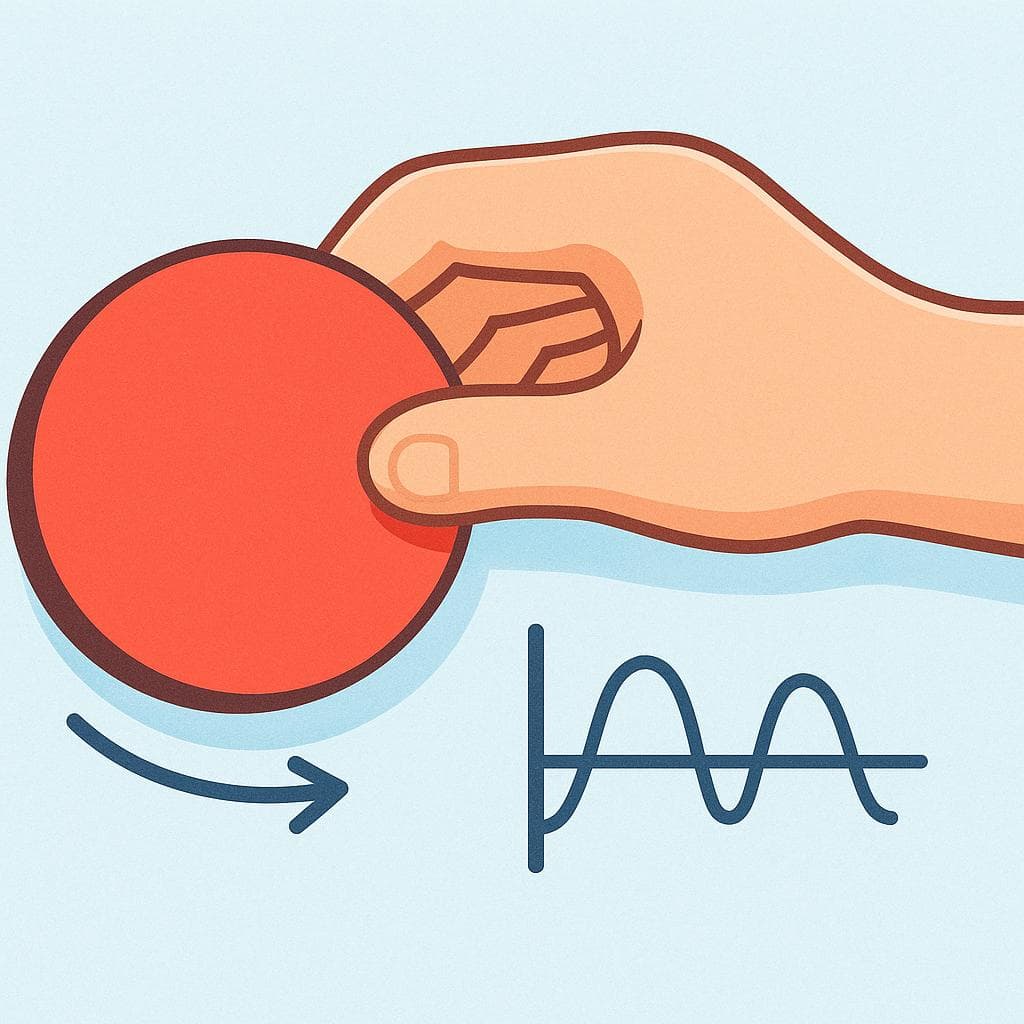
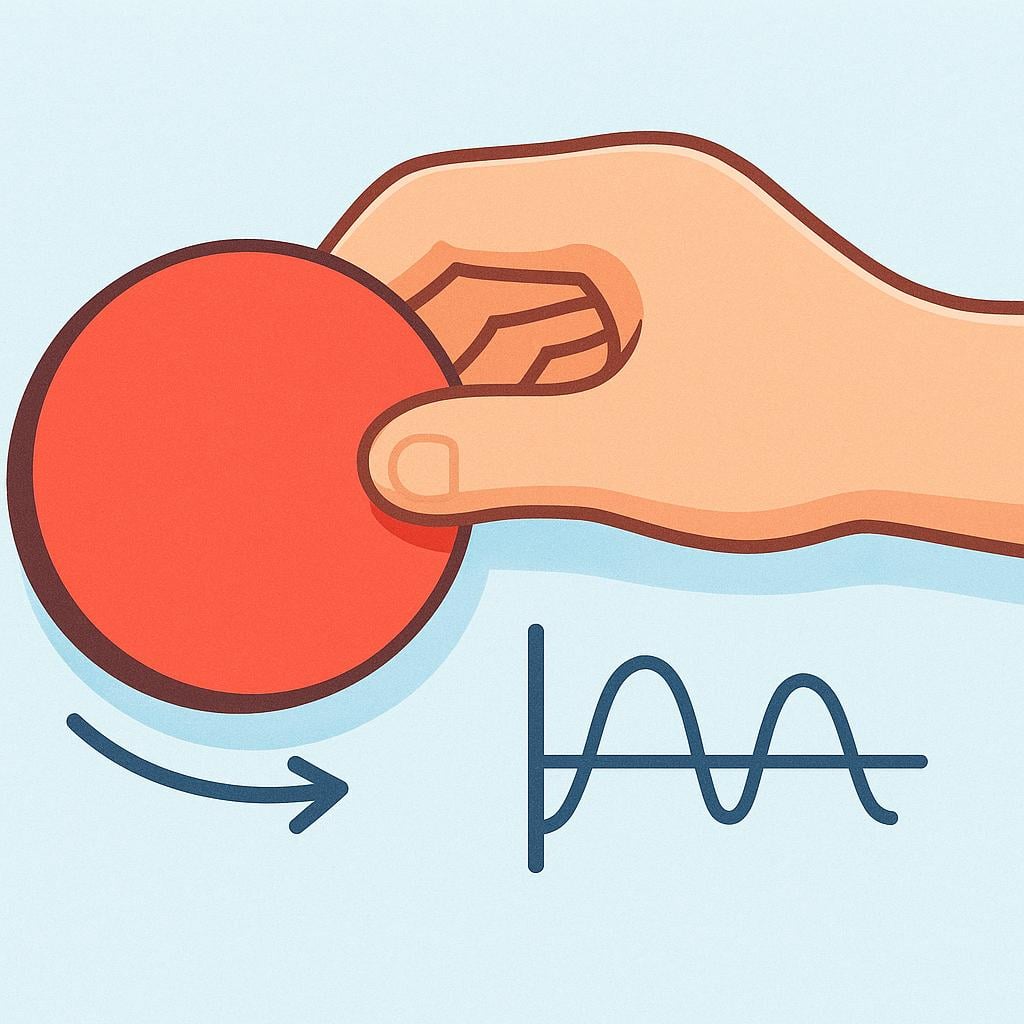
A simplified human hand is turning a large, red circular dial downwards, illustrated with a decreasing wave graphic next to it.

When used to describe volume or temperature, baje means to lower.

baje(verb)

B1regular ar

lower

?

volume, temperature, expectations

,

reduce

?

prices, speed

Also:

turn down

?

music or noise

📝 In Action

El doctor sugirió que baje su nivel de estrés.

B2

The doctor suggested that he/she lower their stress level. (Subjunctive)

Por favor, baje la música, es muy tarde.

B1

Please, lower the music, it is very late. (Formal command)

Word Connections

Synonyms

  • disminuir (to decrease)
  • reducir (to reduce)

Antonyms

Common Collocations

  • bajar el volumento lower the volume

💡 Grammar Points

Transitive Use

In this sense, 'bajar' usually requires a direct object (like 'the volume' or 'the price'). You are doing the action to something else.

A simplified cloud icon floating above a flat desktop monitor icon, with a thick, curved downward arrow indicating transfer between them.

In a digital context, baje translates to download.

baje(verb)

B1regular ar

download

?

digital files or data

📝 In Action

El sistema requiere que baje la última actualización.

B2

The system requires that you download the latest update. (Subjunctive)

Baje este documento antes de la reunión.

B1

Download this document before the meeting. (Formal command)

Word Connections

Antonyms

Common Collocations

  • bajar un archivoto download a file

💡 Grammar Points

Digital Context

While 'descargar' (to unload/download) is also correct, 'bajar' is often the most common and informal way to say 'to download' in Spanish.

A simplified person stepping off the last step of a red and yellow bus onto the sidewalk.

Baje is used when someone needs to get off a public vehicle, such as a bus or train.

baje(verb)

A2regular ar

get off

?

a bus, train, or subway

,

get out

?

a car

📝 In Action

Espero que baje del coche sin problemas.

B1

I hope that he/she gets out of the car without problems. (Subjunctive)

Baje en la próxima parada y camine dos cuadras.

A2

Get off at the next stop and walk two blocks. (Formal command)

Word Connections

Synonyms

  • apearse (to alight (formal))

Antonyms

Common Collocations

  • bajar del autobústo get off the bus

💡 Grammar Points

Required Preposition

When getting off transportation, always use the preposition 'de' (of/from): 'bajar del bus' (get off the bus).

❌ Common Pitfalls

Confusing 'Off' and 'Down'

Mistake: "Using 'salir' when leaving a bus ('Salir del bus')."

Correction: Use 'bajar del bus' or 'bajarse del bus' (reflexive form) for getting off public transport. 'Salir' usually means leaving a building or room.

🔄 Conjugations

indicative

present

él/ella/ustedbaja
yobajo
bajas
ellos/ellas/ustedesbajan
nosotrosbajamos
vosotrosbajáis

imperfect

él/ella/ustedbajaba
yobajaba
bajabas
ellos/ellas/ustedesbajaban
nosotrosbajábamos
vosotrosbajabais

preterite

él/ella/ustedbajó
yobajé
bajaste
ellos/ellas/ustedesbajaron
nosotrosbajamos
vosotrosbajasteis

subjunctive

present

él/ella/ustedbaje
yobaje
bajes
ellos/ellas/ustedesbajen
nosotrosbajemos
vosotrosbajéis

imperfect

él/ella/ustedbajara/bajase
yobajara/bajase
bajaras/bajases
ellos/ellas/ustedesbajaran/bajasen
nosotrosbajáramos/bajásemos
vosotrosbajarais/bajaseis

✏️ Quick Practice

💡 Quick Quiz: baje

Question 1 of 2

Which sentence correctly uses 'baje' as a formal command?

📚 More Resources

Frequently Asked Questions

What is the difference between 'baje' and 'baja'?

'Baja' is the simple present tense ('he/she/it goes down' or 'you [tú] go down'). 'Baje' is the special form used for formal commands ('Go down! [Usted]') or when expressing wishes, doubts, or necessities (the subjunctive mood).

Why is 'baje' used for both 'I' and 'he/she/you formal'?

In Spanish, the present subjunctive form for 'yo' (I) and 'él/ella/usted' (he/she/you formal) are often the same. So 'yo baje' means 'that I go down,' and 'usted baje' means 'that you go down' or the command 'Go down!'