basar
“basar” means “to base” in Spanish. It has 2 different meanings depending on context:
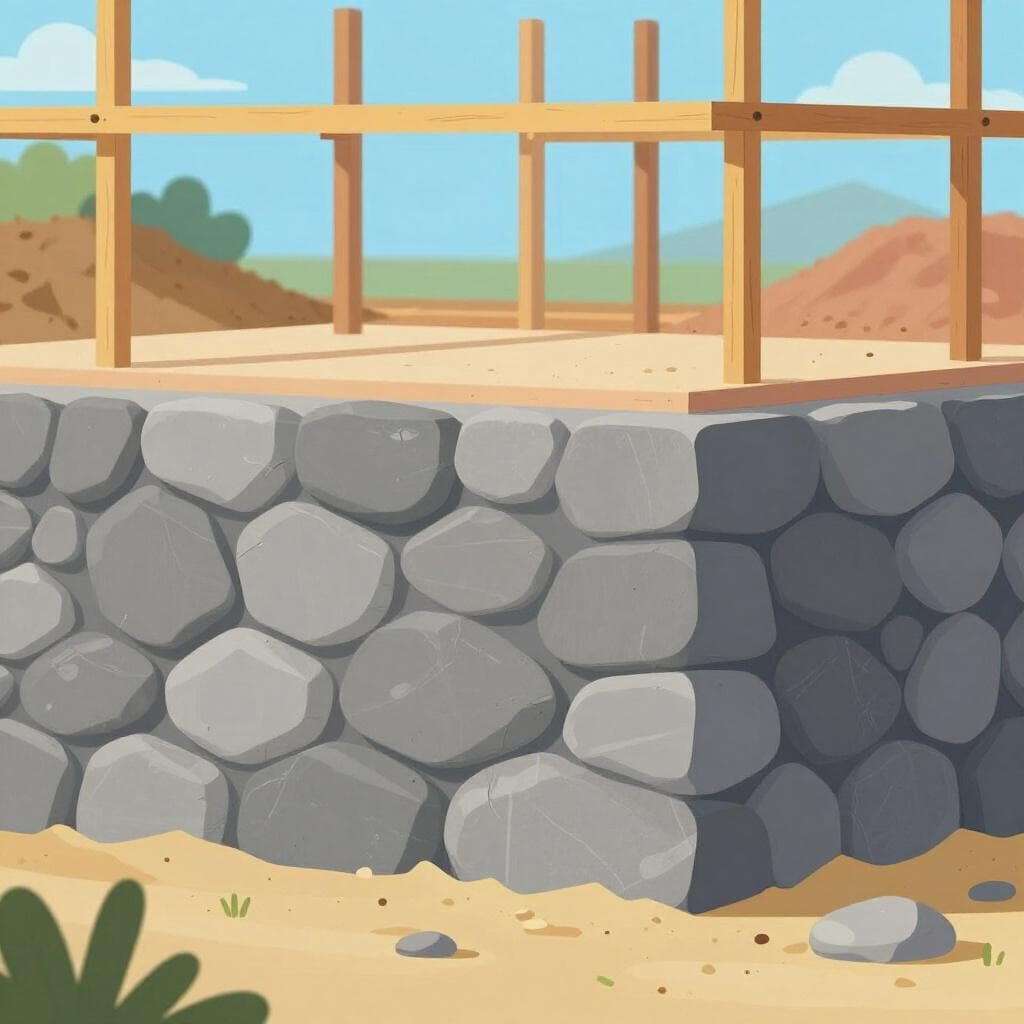

to baseAlso: to found
📝 In Action
Tienes que basar tus argumentos en hechos reales.
B1You have to base your arguments on real facts.
El arquitecto decidió basar el diseño en la luz natural.
B2The architect decided to base the design on natural light.
No puedes basar una relación únicamente en la apariencia.
B1You cannot base a relationship solely on appearance.
Word Connections
to be based onAlso: to rely on

📝 In Action
La película se basa en una historia real.
A2The movie is based on a true story.
Mi opinión se basa en mi experiencia personal.
B1My opinion is based on my personal experience.
Muchos platos se basan en ingredientes locales.
B1Many dishes are based on local ingredients.
Word Connections
Subjunctive
Imperfect Subjunctive
Present Subjunctive
Indicative
Preterite
Imperfect
Present
✏️ Quick Practice
Quick Quiz: basar
Question 1 of 3
How do you say 'The book is based on a true story'?
📚 More Resources
👥 Word Family
📚 Etymology
From the Latin word 'basis', which means a pedestal or the bottom of a column. It evolved into the verb 'basar' to describe the act of putting something on a solid foundation.
First recorded: 13th century
Cognates (Related words)
💡 Master Spanish
Take your Spanish to the next level. Read 200+ illustrated and narrated Spanish stories tailored to your level with the Inklingo app!
Frequently Asked Questions
Can I use 'basar' for physical objects?
Technically yes, but it is much more common to use it for abstract things like ideas, theories, or stories. For physical building, we often use 'apoyar' or 'asentar'.
Is 'basar' related to 'vaso' (glass)?
No! They sound similar but have different roots. 'Basar' is about a foundation (base), while 'vaso' comes from a container.
Is it always 'basarse en'?
Yes, 'en' is the standard preposition. Using 'sobre' is a common influence from English ('based on') but is generally discouraged in formal Spanish.