bici
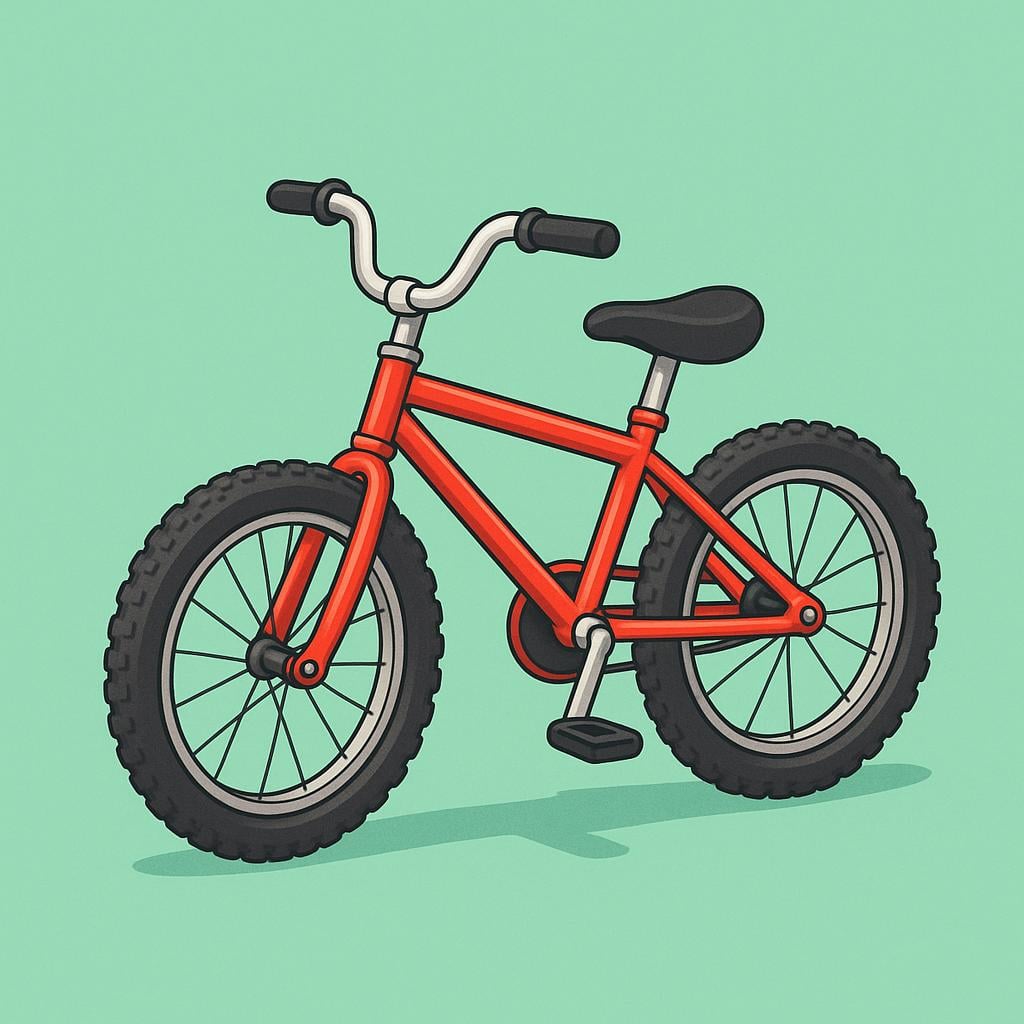
“bici” means “bike” in Spanish (short for bicycle).
bike, bicycle
📝 In Action
¿Quieres ir al mercado en bici o caminando?
A1Do you want to go to the market by bike or walking?
Mi bici nueva es muy rápida y cómoda.
A2My new bike is very fast and comfortable.
Dejé mi bici atada a ese poste.
A1I left my bike tied to that post.
Word Connections
✏️ Quick Practice
Quick Quiz: bici
Question 1 of 2
If you want to say 'I want to ride my bike' to a friend, what is the most natural and casual way?
📚 More Resources
👥 Word Family
🎵 Rhymes
📚 Etymology
'Bici' is a common, friendly abbreviation of the Spanish word *bicicleta*. The longer word comes from the French *bicyclette*, which combines the Latin prefix *bi-* (meaning 'two') and the Greek root *kyklos* (meaning 'circle' or 'wheel').
First recorded: Mid-20th century (as an abbreviation)
Cognates (Related words)
💡 Master Spanish
Take your Spanish to the next level. Read 200+ illustrated and narrated Spanish stories tailored to your level with the Inklingo app!
Frequently Asked Questions
How do I know the gender of a word like 'bici' that is shortened?
When a Spanish word is shortened (like *foto* from *fotografía* or *bici* from *bicicleta*), it keeps the same gender as the original, longer word. Since *bicicleta* is feminine, *bici* is also feminine ('la bici').
Can I use 'bicicleta' instead of 'bici'?
Yes, absolutely. 'Bicicleta' is the full, proper word and is perfect for formal writing or precise language. 'Bici' is just the informal shortcut everyone uses when speaking casually.