busqué
“busqué” means “I looked for” in Spanish (completed action).
I looked for, I searchedAlso: I went after
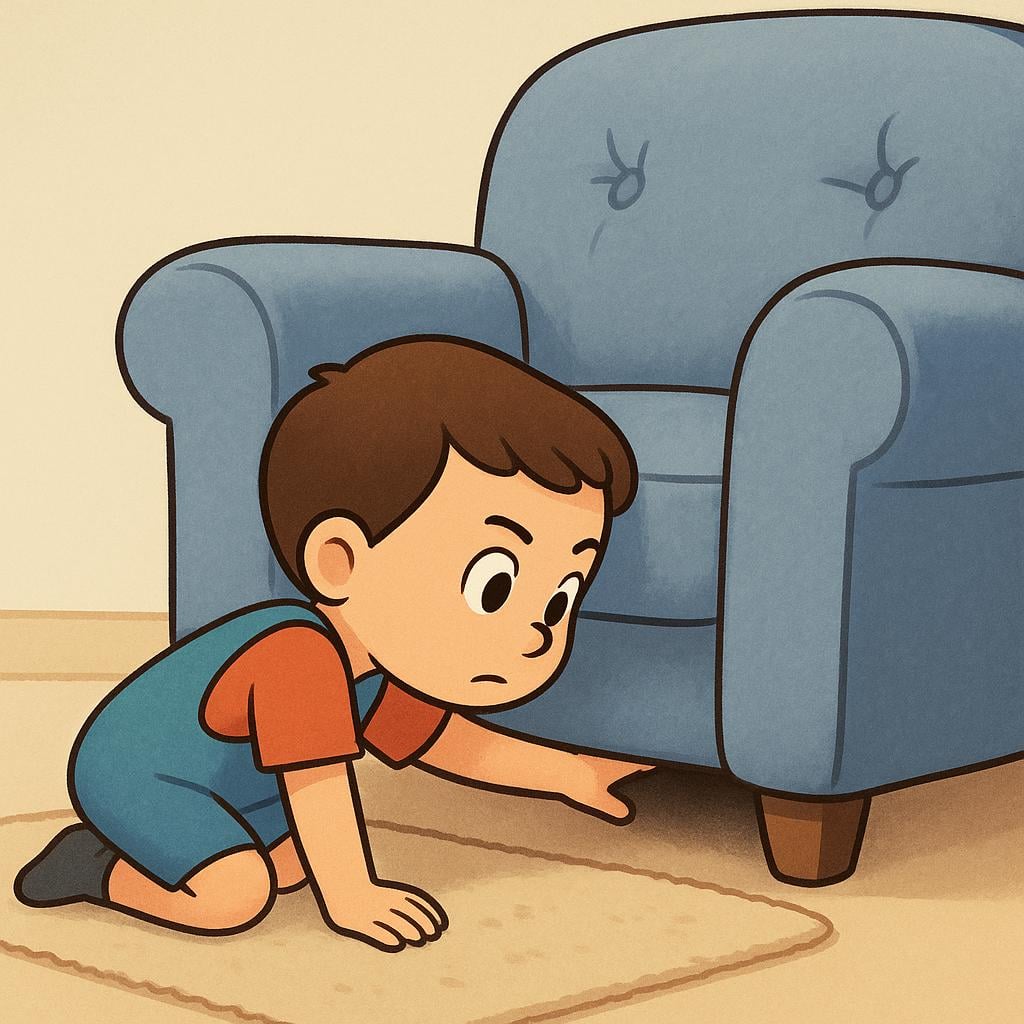
📝 In Action
Ayer busqué mis gafas por media hora.
A1Yesterday I looked for my glasses for half an hour.
Busqué el restaurante en el mapa antes de salir.
A2I searched for the restaurant on the map before leaving.
Busqué una solución al problema, pero no la encontré.
B1I looked for a solution to the problem, but I didn't find one.
Word Connections
Indicative
Present
Imperfect
Preterite
Subjunctive
Present Subjunctive
Imperfect Subjunctive
Translate to Spanish
Words that translate to "busqué" in Spanish:
✏️ Quick Practice
Quick Quiz: busqué
Question 1 of 1
Which sentence correctly uses 'busqué' to describe a completed action?
📚 More Resources
👥 Word Family
📚 Etymology
The infinitive *buscar* comes from the Vulgar Latin *buscāre*, which possibly meant 'to frequent the woods' (*bosco* or *buscus* meaning 'woodland'). Over time, the meaning evolved from wandering around to actively searching for something.
First recorded: 13th century
Cognates (Related words)
💡 Master Spanish
Take your Spanish to the next level. Read 200+ illustrated and narrated Spanish stories tailored to your level with the Inklingo app!
Frequently Asked Questions
Is 'busqué' considered an irregular verb?
Yes, but only slightly! It is regular in most forms, but it has a minor spelling change (c to qu) in the 'yo' form of the simple past (busqué) and in all forms of the present subjunctive. This change is necessary to keep the 'k' sound consistent.
What is the difference between 'busqué' and 'buscaba'?
'Busqué' (Preterite) means 'I looked for' as a single, finished event ('I searched yesterday'). 'Buscaba' (Imperfect) means 'I was looking for' or 'I used to look for,' usually describing an ongoing action or a habit in the past ('I was looking when the phone rang').