código
“código” means “code” in Spanish. It has 3 different meanings depending on context:
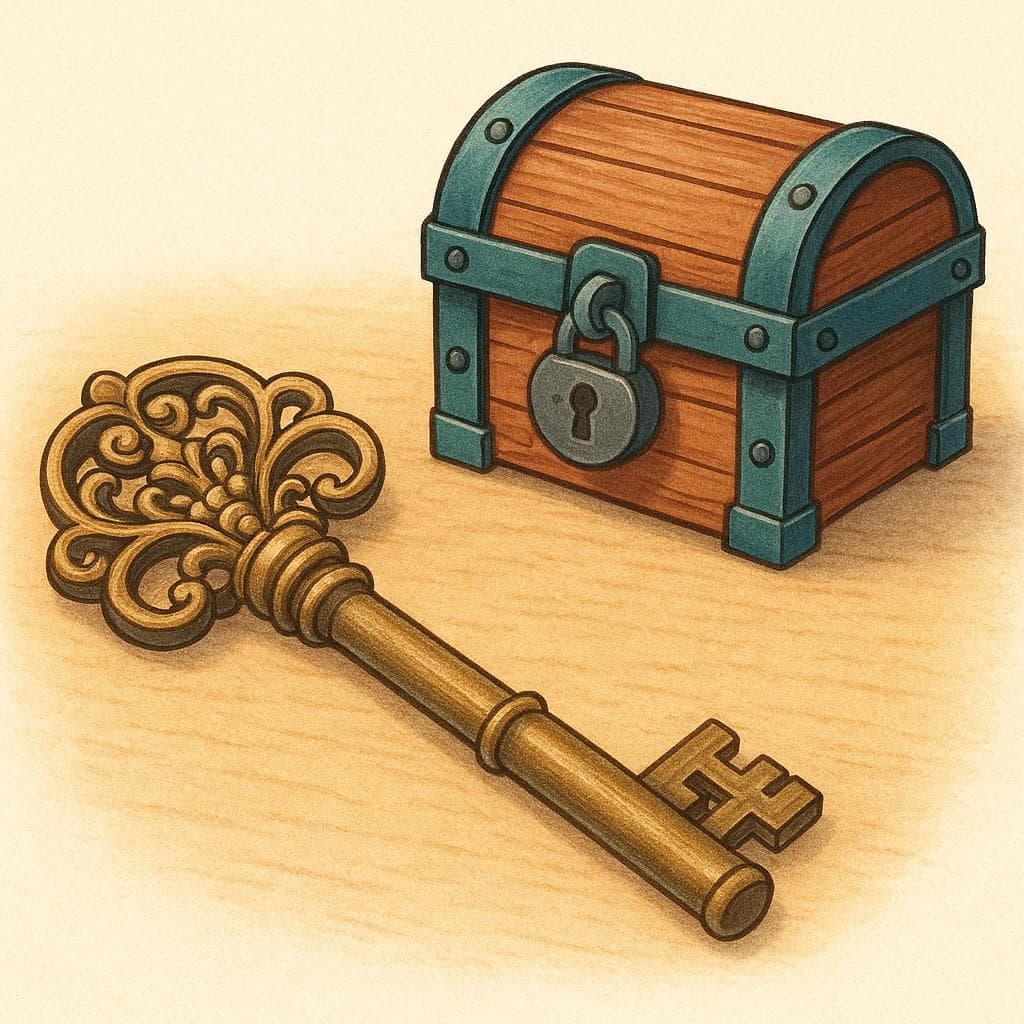


code
Also: PIN, access key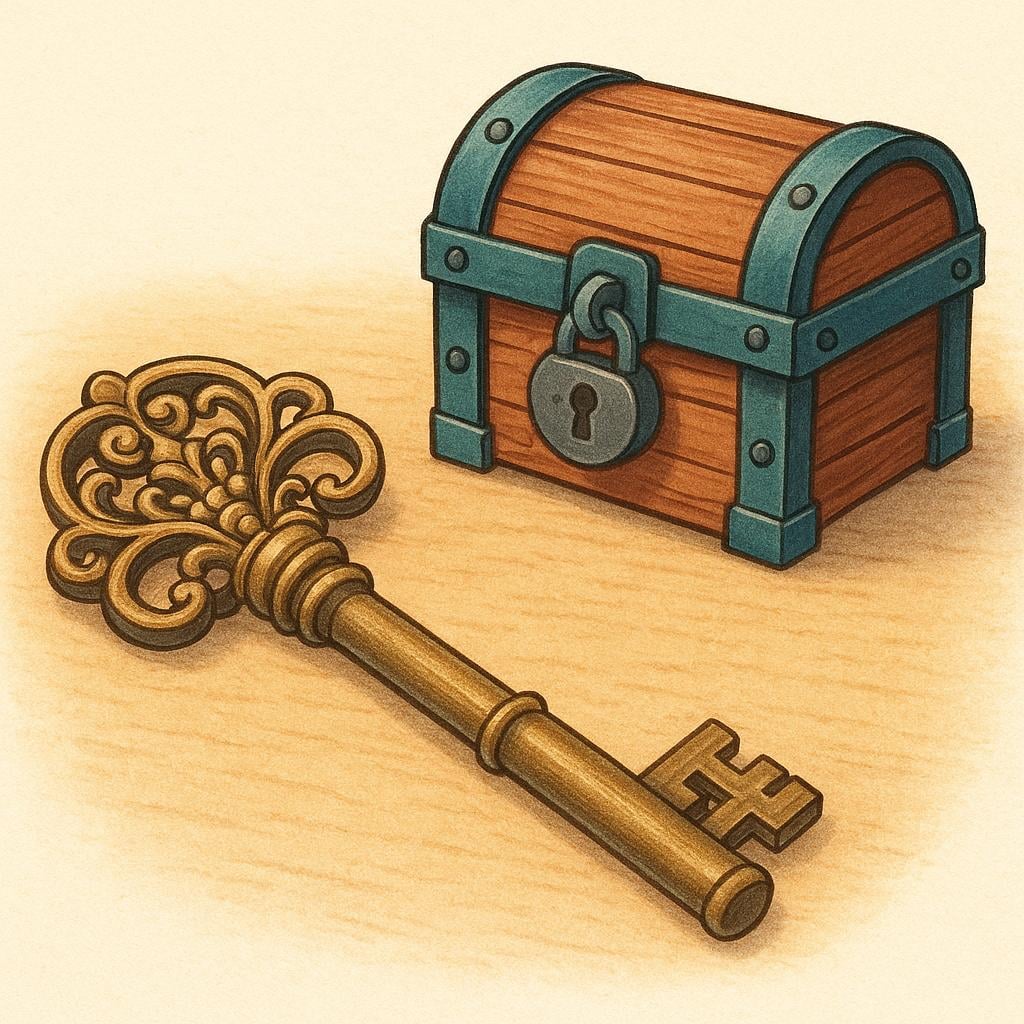
📝 In Action
¿Cuál es el código para desbloquear tu teléfono?
A1What is the code to unlock your phone?
Necesitas introducir tu código de seguridad en el cajero automático.
A2You need to enter your security code at the ATM.
code
Also: statute, set of rules
📝 In Action
El código penal establece las leyes sobre los crímenes.
B2The penal code establishes the laws regarding crimes.
Debemos seguir el código de vestimenta en la oficina.
B1We must follow the dress code in the office.
code
Also: source code
📝 In Action
El error está en una línea del código fuente.
B2The error is in a line of the source code.
Aprender a escribir código es una habilidad muy útil.
C1Learning to write code is a very useful skill.
Translate to Spanish
✏️ Quick Practice
Quick Quiz: código
Question 1 of 2
Which translation of 'código' is used when talking about computer software?
📚 More Resources
👥 Word Family▼
📚 Etymology▼
Comes from the Latin word *codex*, which originally meant the 'trunk of a tree' (as ancient writing tablets were made of wood). It then evolved to mean 'book' and eventually 'collection of laws' or 'systematic set of rules'.
First recorded: 15th century (via Old Spanish)
Cognates (Related words)
💡 Master Spanish
Take your Spanish to the next level. Read 200+ illustrated and narrated Spanish stories tailored to your level with the Inklingo app!
Frequently Asked Questions
Why does 'código' have an accent mark?
The accent mark on the first 'o' ('có') is crucial because it tells you exactly where to put the stress when you say the word: CÓ-di-go. Without it, the natural Spanish rule would place the stress on the last syllable, making it sound like co-DI-go, which would be incorrect.
Can 'código' be used as a verb?
No, 'código' itself is only a noun. However, its related verb is 'codificar,' which means 'to code' or 'to encode.'