cacería
“cacería” means “hunt” in Spanish. It has 2 different meanings depending on context:
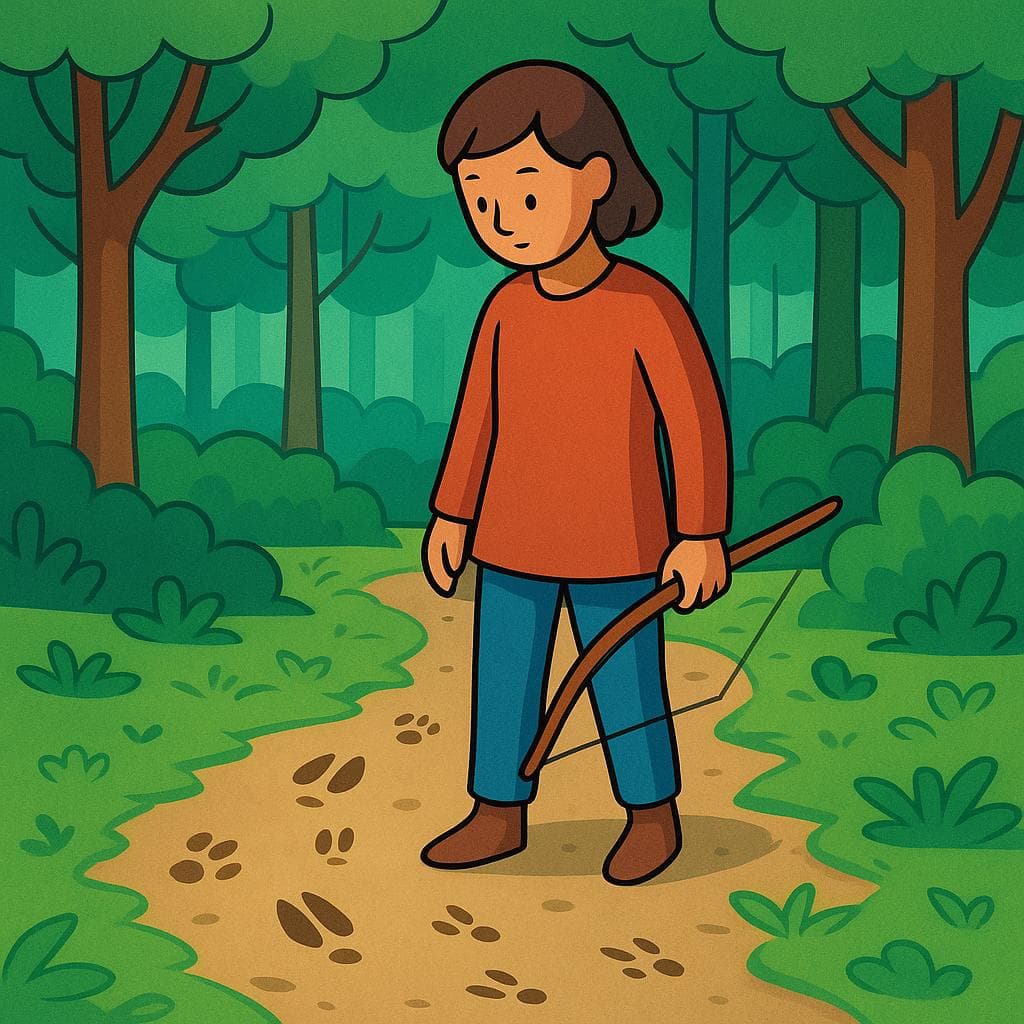

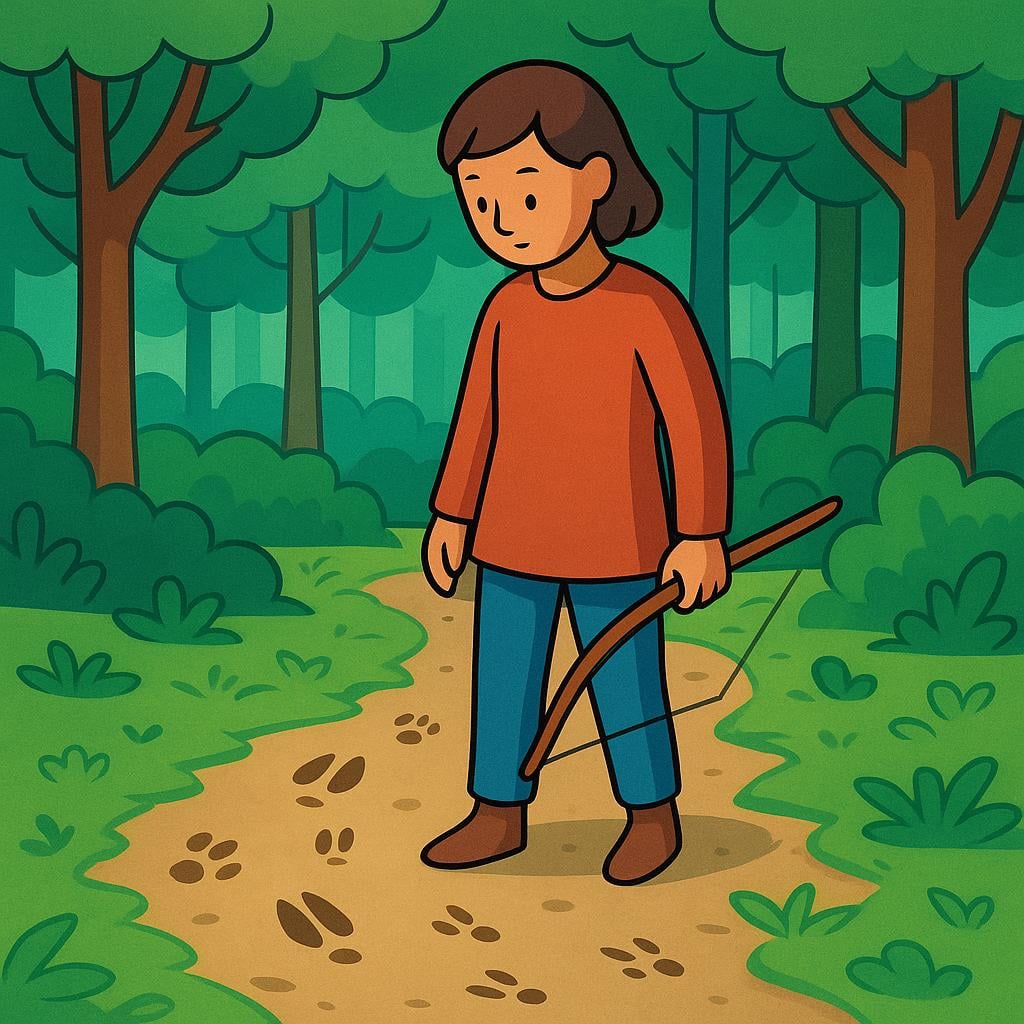
hunt, huntingAlso: hunting party
📝 In Action
El rey organizó una gran cacería en el bosque.
B1The king organized a great hunt in the forest.
Fuimos de cacería el domingo pasado.
A2We went hunting last Sunday.
Word Connections
manhunt, pursuitAlso: search

📝 In Action
La policía ha iniciado una cacería para capturar al sospechoso.
B2The police have started a manhunt to capture the suspect.
Fue una cacería implacable por toda la ciudad.
C1It was a relentless pursuit throughout the whole city.
Word Connections
Translate to Spanish
Words that translate to "cacería" in Spanish:
✏️ Quick Practice
Quick Quiz: cacería
Question 1 of 2
Which phrase would you use to say you are going on a hunting trip?
📚 More Resources
🎵 Rhymes
📚 Etymology
Derived from the Spanish verb 'cazar' (to hunt), which comes from the Vulgar Latin 'captiare' meaning 'to try to catch.' The suffix '-ería' is added to indicate an activity, a group, or a specific instance of that action.
First recorded: 13th century
Cognates (Related words)
💡 Master Spanish
Take your Spanish to the next level. Read 200+ illustrated and narrated Spanish stories tailored to your level with the Inklingo app!
Frequently Asked Questions
Is 'cacería' only for animals?
While its primary meaning is about hunting animals, it is very commonly used for 'manhunts' (searching for criminals) or figurative 'witch hunts' in politics.
What is the difference between 'caza' and 'cacería'?
'Caza' is the general concept of the sport or the animals being hunted. 'Cacería' usually refers to the specific event, the trip, or the act of the pursuit itself.