caza
“caza” means “hunting” in Spanish. It has 3 different meanings depending on context:


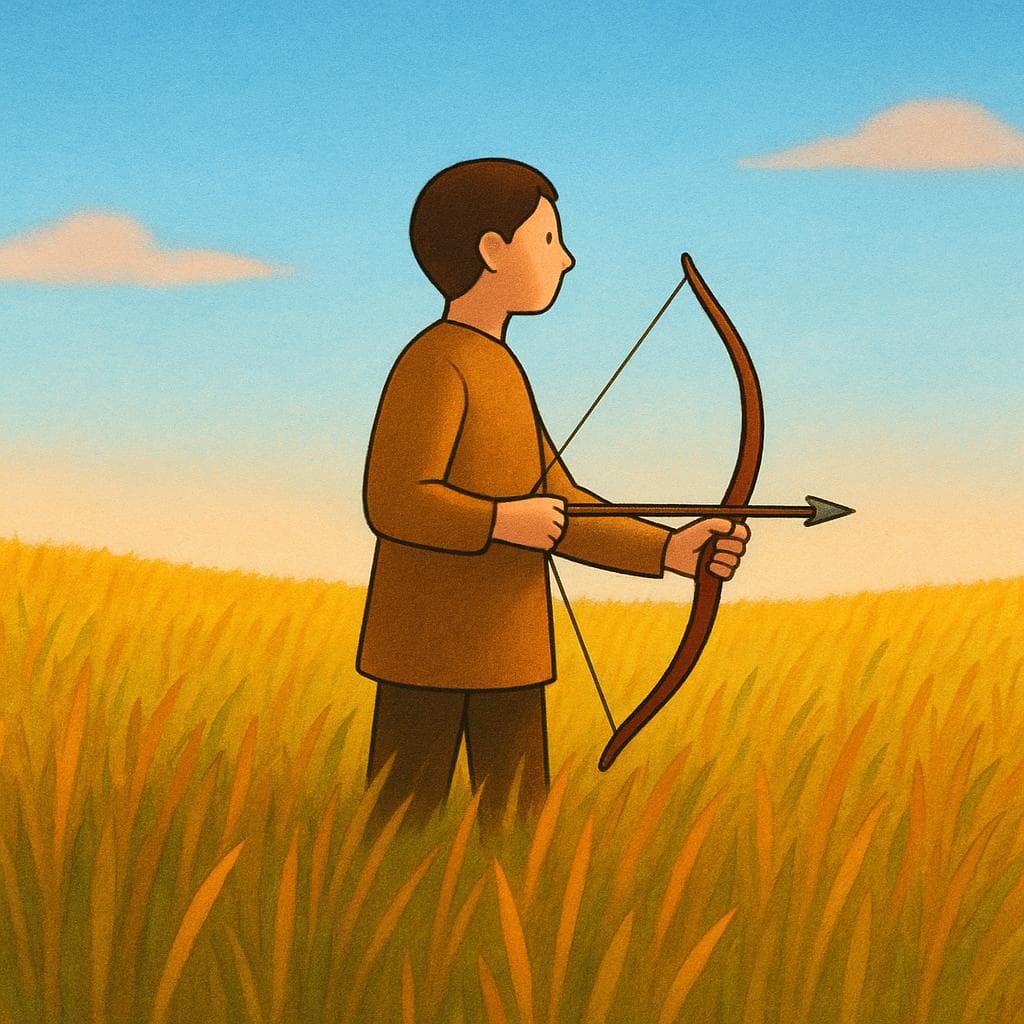
hunting, the huntAlso: game, prey

📝 In Action
La caza de ballenas está prohibida internacionalmente.
B1Whaling (the hunting of whales) is internationally prohibited.
Se levantaron al amanecer para ir de caza.
A2They got up at dawn to go hunting.
La caza menor es parte de la dieta del zorro.
B2Small game (small hunted animals) is part of the fox's diet.
Word Connections
fighter jet, fighter plane

📝 In Action
El escuadrón de caza patrullaba el cielo.
B2The fighter squadron patrolled the sky.
Este país necesita renovar su flota de cazas.
C1This country needs to renew its fleet of fighter jets.
Word Connections
he/she hunts, you (formal) huntAlso: he/she catches

📝 In Action
El gato caza un ratón cada mañana.
A2The cat hunts a mouse every morning.
¿Usted caza en el bosque?
A2Do you (formal) hunt in the forest?
¡Caza esa idea antes de que se te escape!
B1Catch that idea before it escapes you! (Informal command)
Word Connections
Indicative
Present
Imperfect
Preterite
Subjunctive
Present Subjunctive
Imperfect Subjunctive
Translate to Spanish
Words that translate to "caza" in Spanish:
✏️ Quick Practice
Quick Quiz: caza
Question 1 of 1
Which sentence uses 'caza' as the act of hunting?
📚 More Resources
👥 Word Family
📚 Etymology
The word comes from the older Spanish verb 'cazar', which itself is thought to derive from the Vulgar Latin word *captiare*, meaning 'to try to catch' or 'to pursue'.
First recorded: Medieval Spanish (approx. 13th century)
Cognates (Related words)
💡 Master Spanish
Take your Spanish to the next level. Read 200+ illustrated and narrated Spanish stories tailored to your level with the Inklingo app!
Frequently Asked Questions
What is the difference between 'caza' (noun) and 'cazar' (verb)?
'Caza' (noun, feminine) means the activity itself ('hunting') or the animals that are hunted ('game'). 'Cazar' is the base verb meaning 'to hunt' or 'to catch.' The word 'caza' is also the 'he/she/it' form of the verb 'cazar' in the present tense.