cazador
“cazador” means “hunter” in Spanish. It has 2 different meanings depending on context:

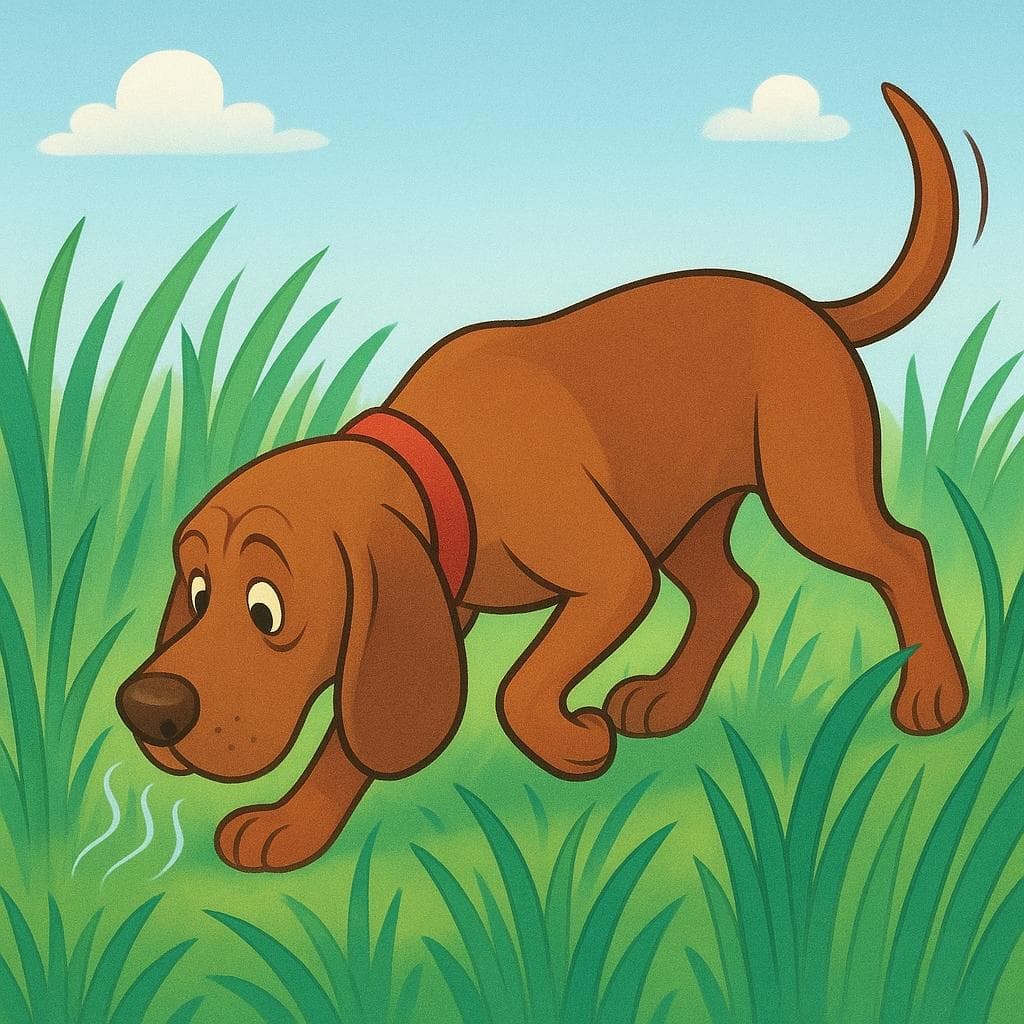
hunter, huntsmanAlso: predator

📝 In Action
Mi abuelo era un cazador experto y conocía bien el bosque.
B1My grandfather was an expert hunter and knew the forest well.
Los cazadores deben tener una licencia legal para practicar la caza.
B2Hunters must have a legal license to practice hunting.
El león es el cazador más temido de la sabana.
B2The lion is the most feared predator (hunter) of the savanna.
Word Connections
huntingAlso: predatory

📝 In Action
El perro tiene un instinto cazador muy fuerte.
B2The dog has a very strong hunting instinct.
Vimos un ave cazadora sobrevolando el campo.
C1We saw a predatory (hunting) bird flying over the field.
Word Connections
Translate to Spanish
✏️ Quick Practice
Quick Quiz: cazador
Question 1 of 2
Which sentence correctly uses the adjective form of 'cazador'?
📚 More Resources
👥 Word Family
📚 Etymology
The word comes directly from the Spanish verb 'cazar' (to hunt). This verb, in turn, developed from the Vulgar Latin word *captiare*, which meant 'to chase' or 'to try to catch.'
First recorded: Medieval Spanish (around the 13th century)
Cognates (Related words)
💡 Master Spanish
Take your Spanish to the next level. Read 200+ illustrated and narrated Spanish stories tailored to your level with the Inklingo app!
Frequently Asked Questions
How do I say 'female hunter'?
You change the ending to 'cazadora.' This form is also used for a type of casual jacket, like a bomber jacket, which is often called 'una cazadora.'
Is 'cazador' only used for hunting animals?
No. While the primary meaning is about hunting animals, it is often used figuratively, like 'cazador de tesoros' (treasure hunter) or 'cazador de autógrafos' (autograph hunter).