How to Say "hunting" in Spanish
The most common Spanish word for “hunting” is “caza” — use 'caza' when referring to hunting as a general activity, a sport, or a practice, especially when it's a topic of discussion or regulation.

Use 'caza' when referring to hunting as a general activity, a sport, or a practice, especially when it's a topic of discussion or regulation.
Learn more →Use 'cacería' for a specific instance of hunting, like an organized event or expedition, often implying a more formal or planned hunt.
Learn more →
Use 'cazando' (the gerund of 'cazar') to describe the ongoing action of an animal or person actively pursuing and trying to catch prey.
Learn more →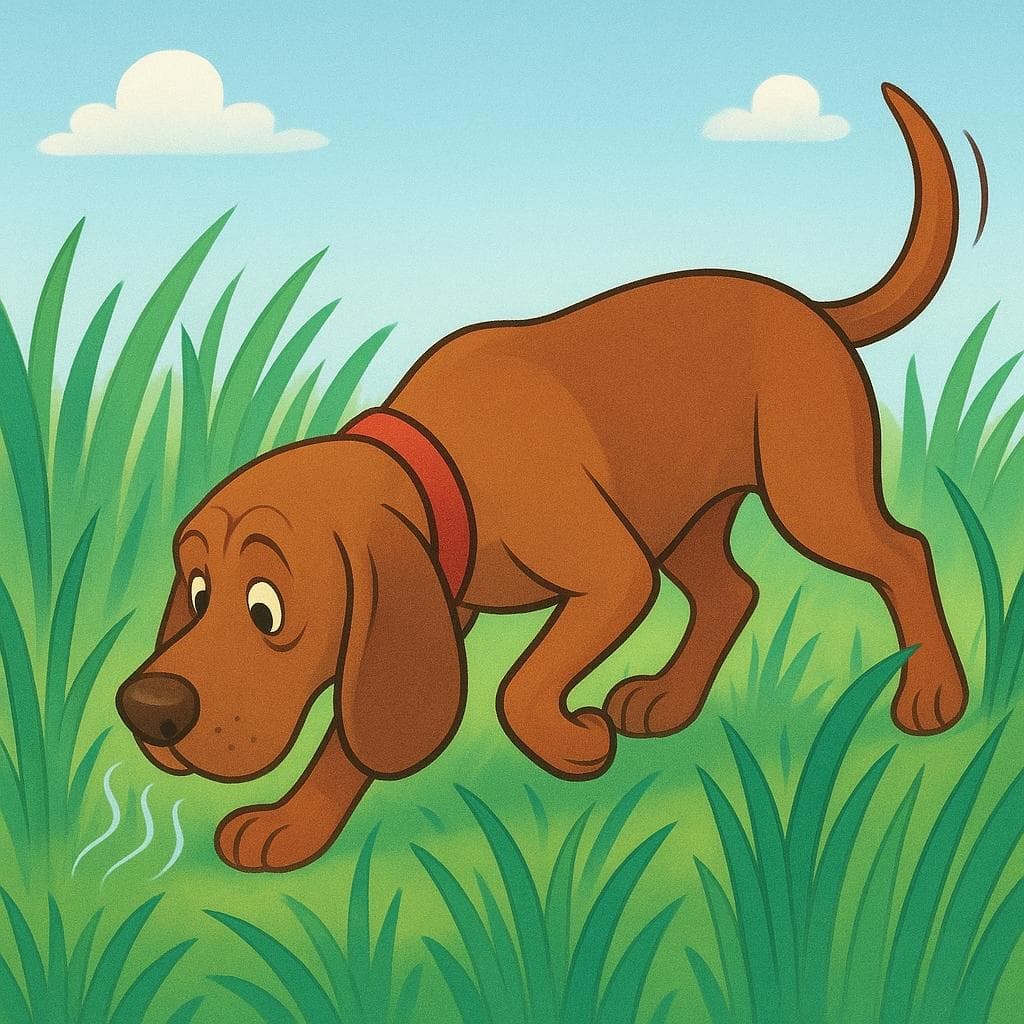
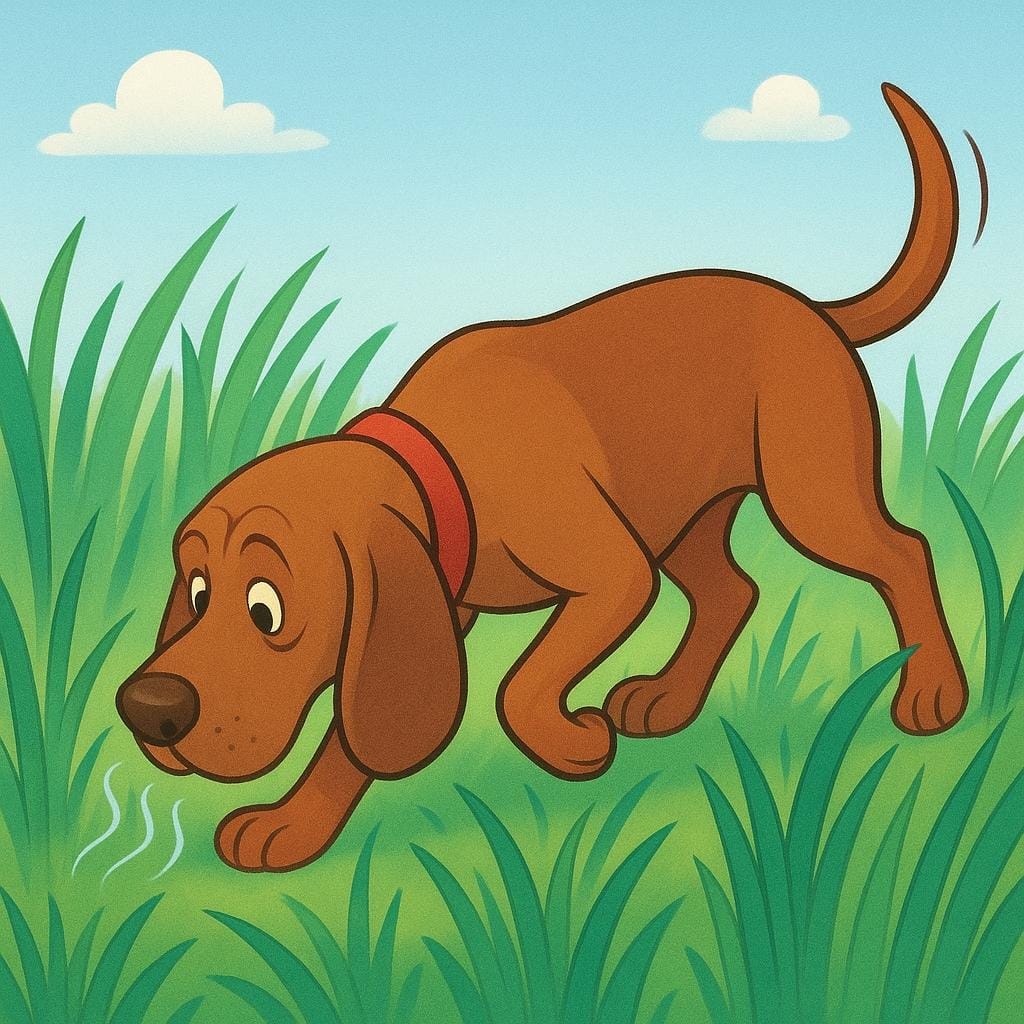
Use 'cazador' as an adjective to describe something possessing an inherent quality or instinct for hunting, like an animal's nature or a tool's purpose.
Learn more →KAH-sahˈkaθa

Examples
La caza de ballenas está prohibida internacionalmente.
The hunting of whales is internationally prohibited.
Se levantaron al amanecer para ir de caza.
They got up at dawn to go hunting.
La caza menor es parte de la dieta del zorro.
Small game (small hunted animals) is part of the fox's diet.
Always Feminine
Even though 'caza' ends in 'a', remember it always uses feminine articles: 'la caza', 'una caza'.
cacería
Examples
El rey organizó una gran cacería en el bosque.
The king organized a great hunt in the forest.
ka-SAHN-dohkaˈsando

Examples
El águila está cazando un ratón.
The eagle is hunting a mouse.
Llevo toda la mañana cazando ofertas en internet.
I've been hunting for deals on the internet all morning.
¡Presta atención! Estás cazando moscas.
Pay attention! You're daydreaming.
The '-ing' Form
Cazando is a gerund, which is the Spanish equivalent of English words ending in '-ing.' You use it with the verb 'estar' to describe actions happening right now.
Don't use it as a title
Mistake: “Using 'Cazando es difícil' for 'Hunting is difficult.'”
Correction: Say 'Cazar es difícil.' In Spanish, we use the base form (infinitive) when the action is the subject of the sentence.
kah-zah-DORka.θaˈðoɾ
Examples
El perro tiene un instinto cazador muy fuerte.
The dog has a very strong hunting instinct.
Vimos un ave cazadora sobrevolando el campo.
We saw a predatory (hunting) bird flying over the field.
Adjective Agreement
Like many Spanish adjectives, 'cazador' must match the thing it describes. If you describe a feminine noun (like 'ave'), you must use the feminine form: 'ave cazadora'.
Noun vs. Verb Confusion
Learners often confuse 'caza' and 'cacería' with 'cazando'. Remember that 'caza' and 'cacería' are nouns referring to the activity or event, while 'cazando' is the present participle (a verb form) describing the action in progress.
Related Translations
Learn Spanish with Inklingo
Interactive stories, personalized learning, and more.