How to Say "hunter" in Spanish
The most common Spanish word for “hunter” is “cazador” — use 'cazador' when referring to a person who actively hunts wild animals, often as a sport or for sustenance.

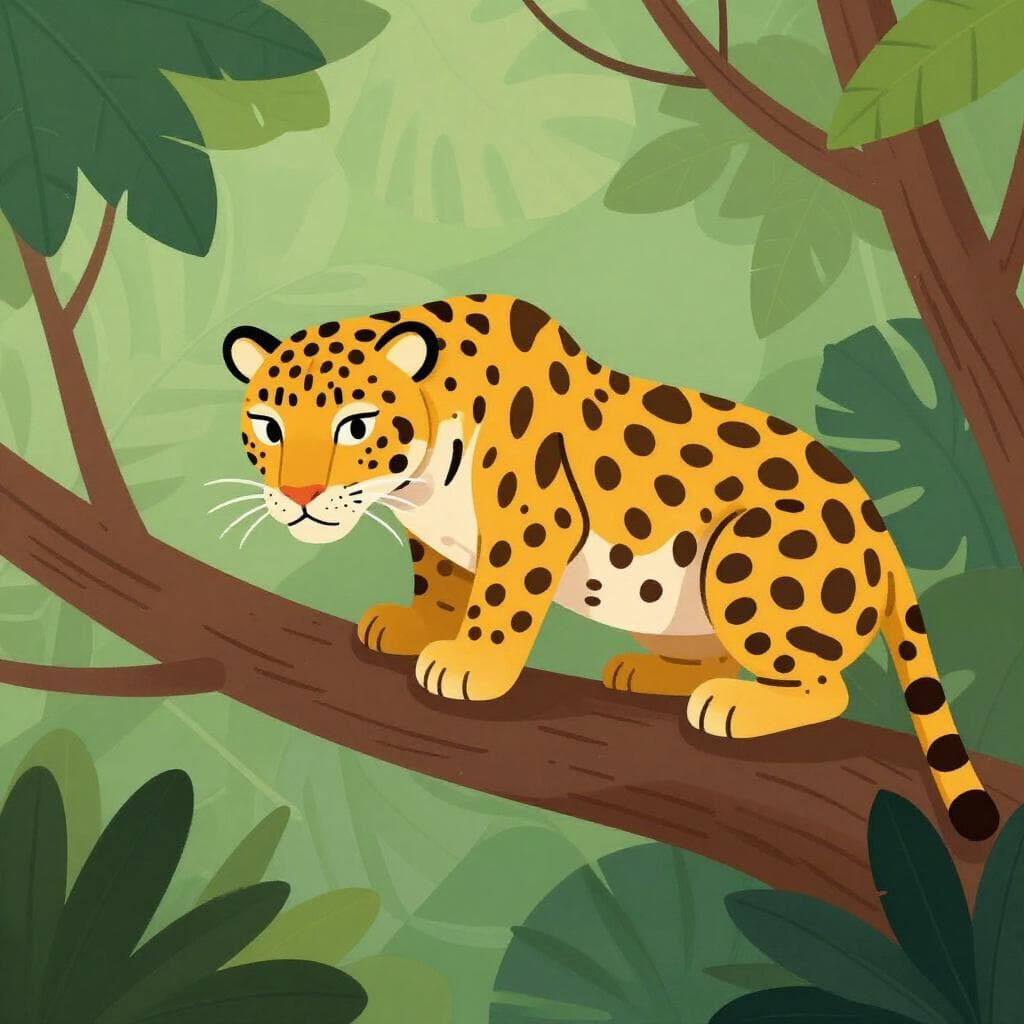
cazador
kah-zah-DORka.θaˈðoɾ

Examples
Mi abuelo era un cazador experto y conocía bien el bosque.
My grandfather was an expert hunter and knew the forest well.
Los cazadores deben tener una licencia legal para practicar la caza.
Hunters must have a legal license to practice hunting.
El león es el cazador más temido de la sabana.
The lion is the most feared predator (hunter) of the savanna.
Gender and Plural
This word is masculine. To talk about a female hunter, you change the ending to 'cazadora'. The plural for men or mixed groups is 'cazadores'.
Confusing the Noun and the Act
Mistake: “Using 'cazador' when you mean the act of hunting.”
Correction: Use 'caza' (the noun for the act) instead of 'cazador' (the person). Example: 'Vamos de caza' (We are going hunting).
depredador
deh-preh-dah-DORdepɾeðaˈðoɾ
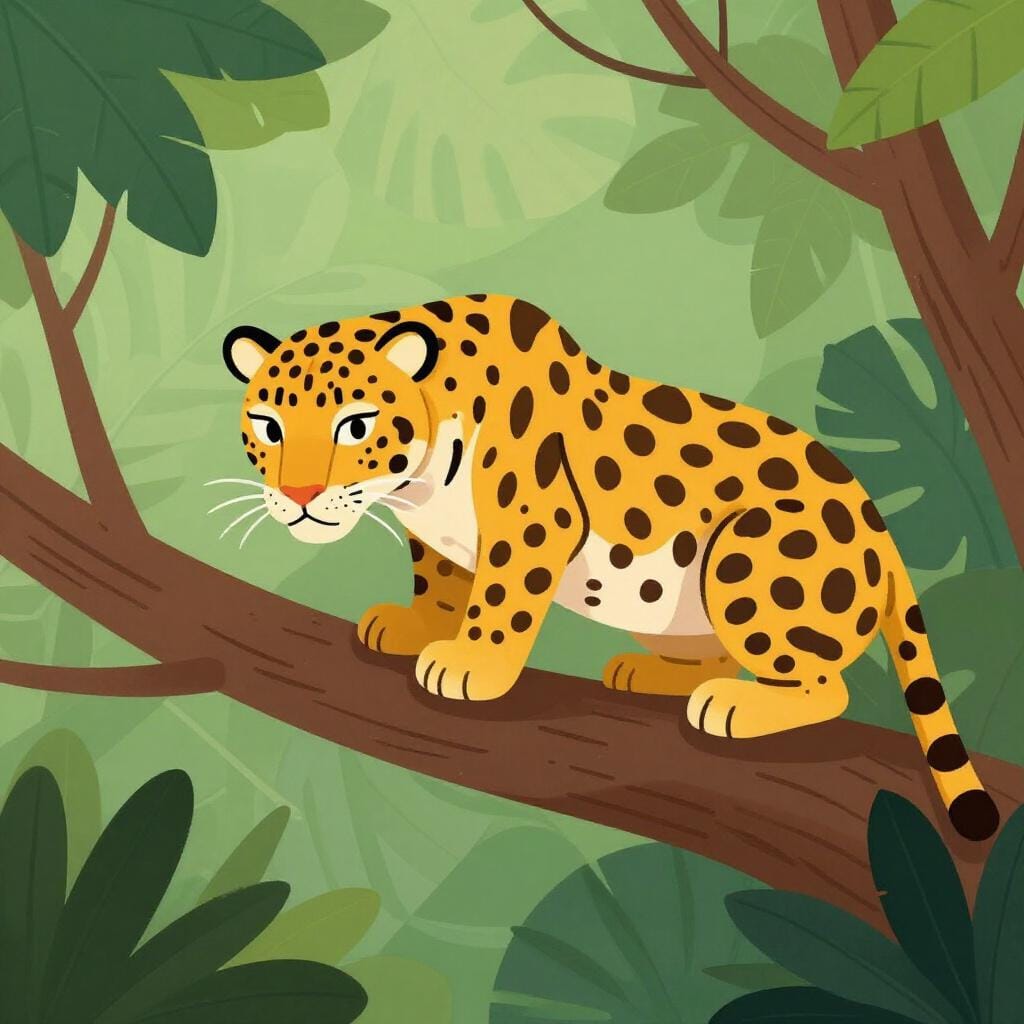
Examples
El águila es un depredador con una vista increíble.
The eagle is a predator with incredible eyesight.
Muchos depredadores prefieren cazar durante la noche.
Many predators prefer to hunt during the night.
La introducción de un nuevo depredador cambió el ecosistema.
The introduction of a new predator changed the ecosystem.
Using it as a Noun vs. Adjective
You can use this word as a name for an animal ('el depredador') or as a descriptive word ('un animal depredador').
Gender agreement
If you are describing a female animal, the word changes to 'depredadora' to match.
Confusing with 'Prey'
Mistake: “El conejo es un depredador.”
Correction: El conejo es la presa; el lobo es el depredador. Remember: the predator does the eating!
Person vs. Animal Hunter
Related Translations
Learn Spanish with Inklingo
Interactive stories, personalized learning, and more.