camaradas
“camaradas” means “friends” in Spanish. It has 2 different meanings depending on context:
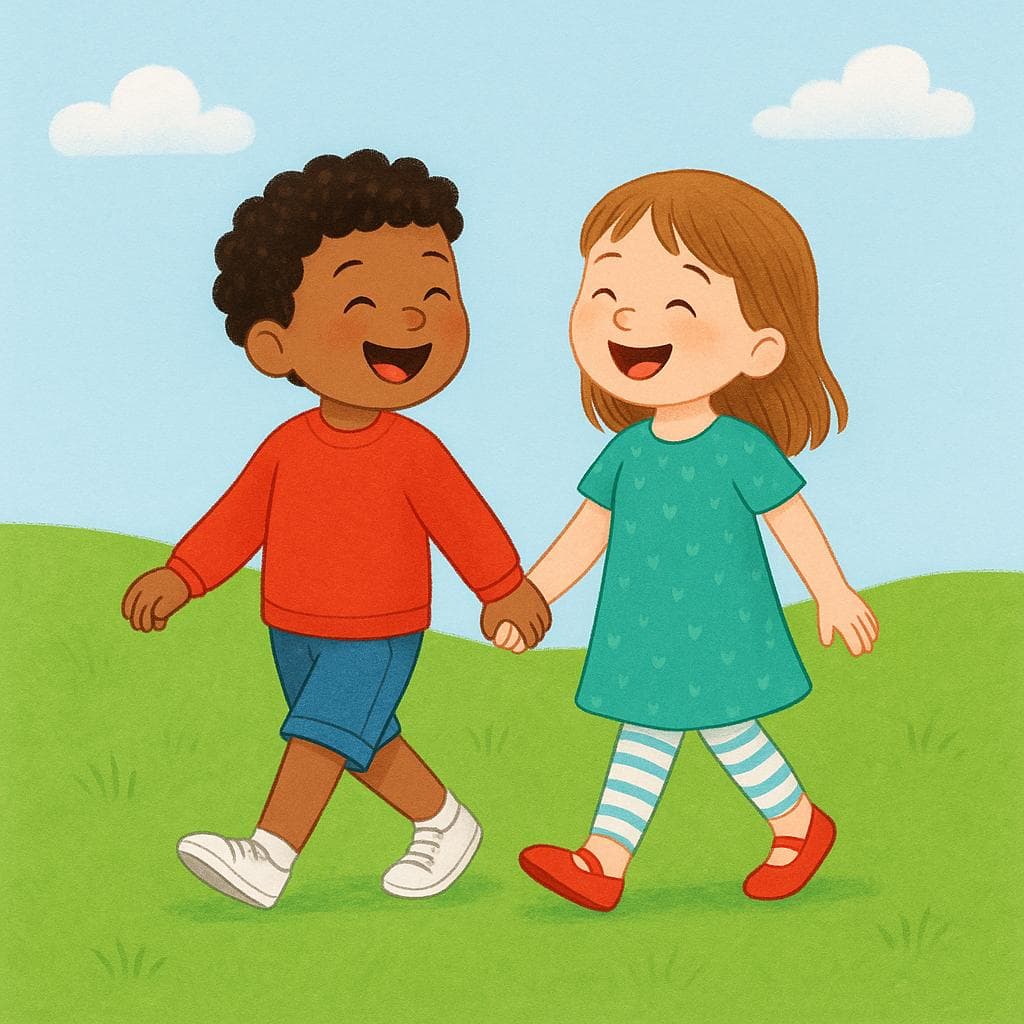

friends, buddies
Also: pals, companions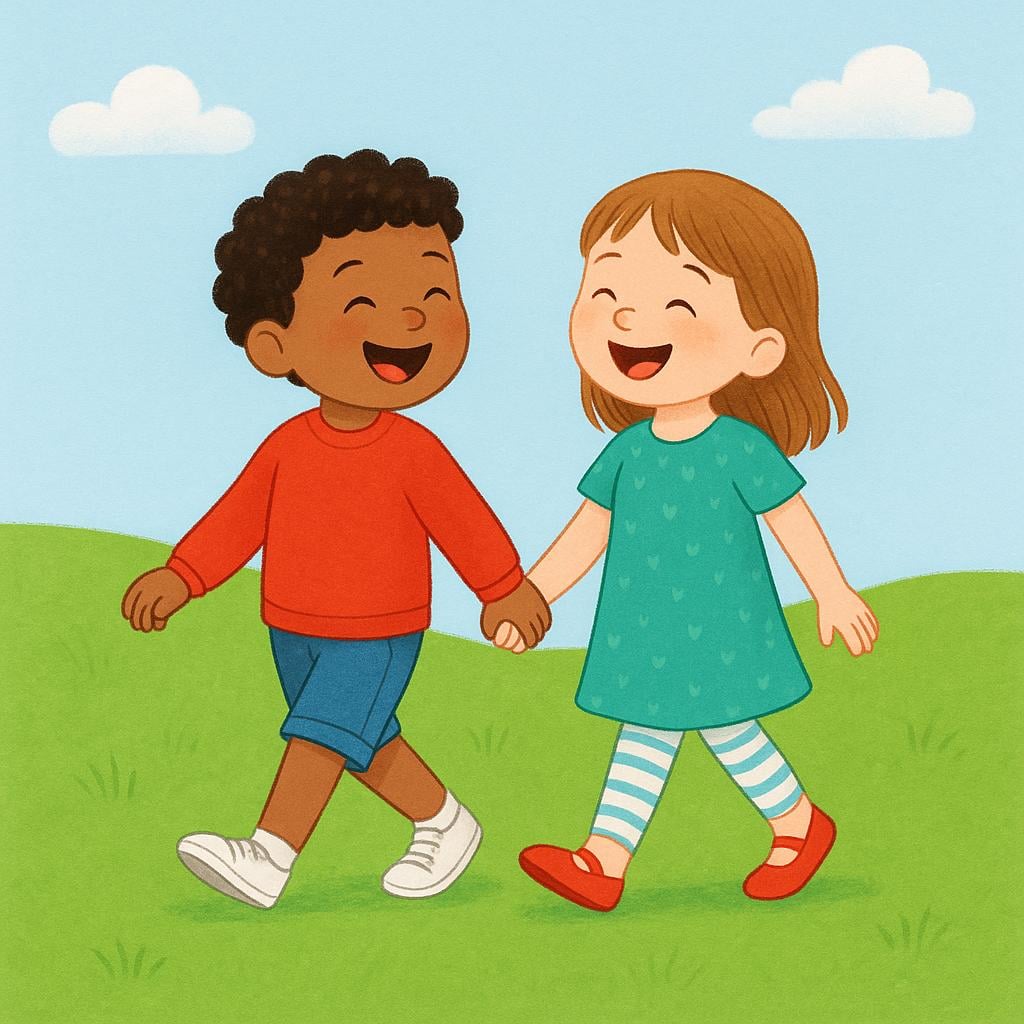
📝 In Action
Mis camaradas de la escuela me ayudaron con el proyecto.
A2My friends from school helped me with the project.
¡Hola, camaradas! ¿Qué vamos a hacer esta noche?
A1Hey, buddies! What are we going to do tonight?
comrades
Also: fellow soldiers
📝 In Action
El líder se dirigió a sus camaradas en el congreso con un mensaje de unidad.
C1The leader addressed his comrades at the congress with a message of unity.
Los viejos camaradas de la revolución se reunieron para conmemorar la fecha.
B2The old comrades of the revolution gathered to commemorate the date.
Vocabulary Collections
Translate to Spanish
Words that translate to "camaradas" in Spanish:
buddies→companions→comrades→fellow soldiers→friends→pals→✏️ Quick Practice
Quick Quiz: camaradas
Question 1 of 1
Which sentence uses 'camaradas' in its more formal, political meaning?
📚 More Resources
👥 Word Family▼
🎵 Rhymes▼
📚 Etymology▼
The word comes from the older Spanish word 'cámara' (meaning 'room' or 'chamber'). Originally, a 'camarada' was someone with whom you shared a room, especially soldiers or travelers. This idea of sharing a space evolved into sharing life experiences or beliefs, leading to the meaning of 'close friend' or 'fellow member'.
First recorded: 15th century
Cognates (Related words)
💡 Master Spanish
Take your Spanish to the next level. Read 200+ illustrated and narrated Spanish stories tailored to your level with the Inklingo app!
Frequently Asked Questions
Is 'camaradas' masculine or feminine?
The word 'camarada' is a noun that can refer to people of any gender. When used in the plural, 'camaradas' (masculine plural) is typically used for a mixed group or when the gender is unspecified, similar to how 'amigos' is used for a mixed group of friends.
Can I use 'camaradas' instead of 'amigos'?
Yes, absolutely! 'Camaradas' suggests a very close bond or shared experience. While 'amigos' is the most common word for friends, 'camaradas' often implies a deeper sense of loyalty or shared struggle, even in casual settings.